

Barcelona can easily fill several days, from Gaudí’s architectural landmarks and the lanes of the Gothic Quarter to the beaches and late dinners that make the Catalan capital so distinctive. Yet Spain becomes even more interesting once you leave its most visited city behind. Several destinations are close enough to reach without turning the trip into a major expedition, while offering completely different food, architecture, landscapes and rhythms. A good place to begin is Valencia, sitting on the Mediterranean coast but with a character all its own. This city is particularly appealing for a few extra days because its highlights range from centuries-old buildings to striking contemporary architecture.
Valencia, Where History Meets the Mediterranean
Valencia has plenty to occupy visitors who enjoy exploring on foot. The old centre contains a mixture of Gothic, Renaissance and Baroque buildings, with the Central Market providing an especially lively stop for anyone interested in local produce and Spanish cooking. Nearby, La Lonja de la Seda, the former silk exchange, reveals the city's importance as a medieval trading centre.
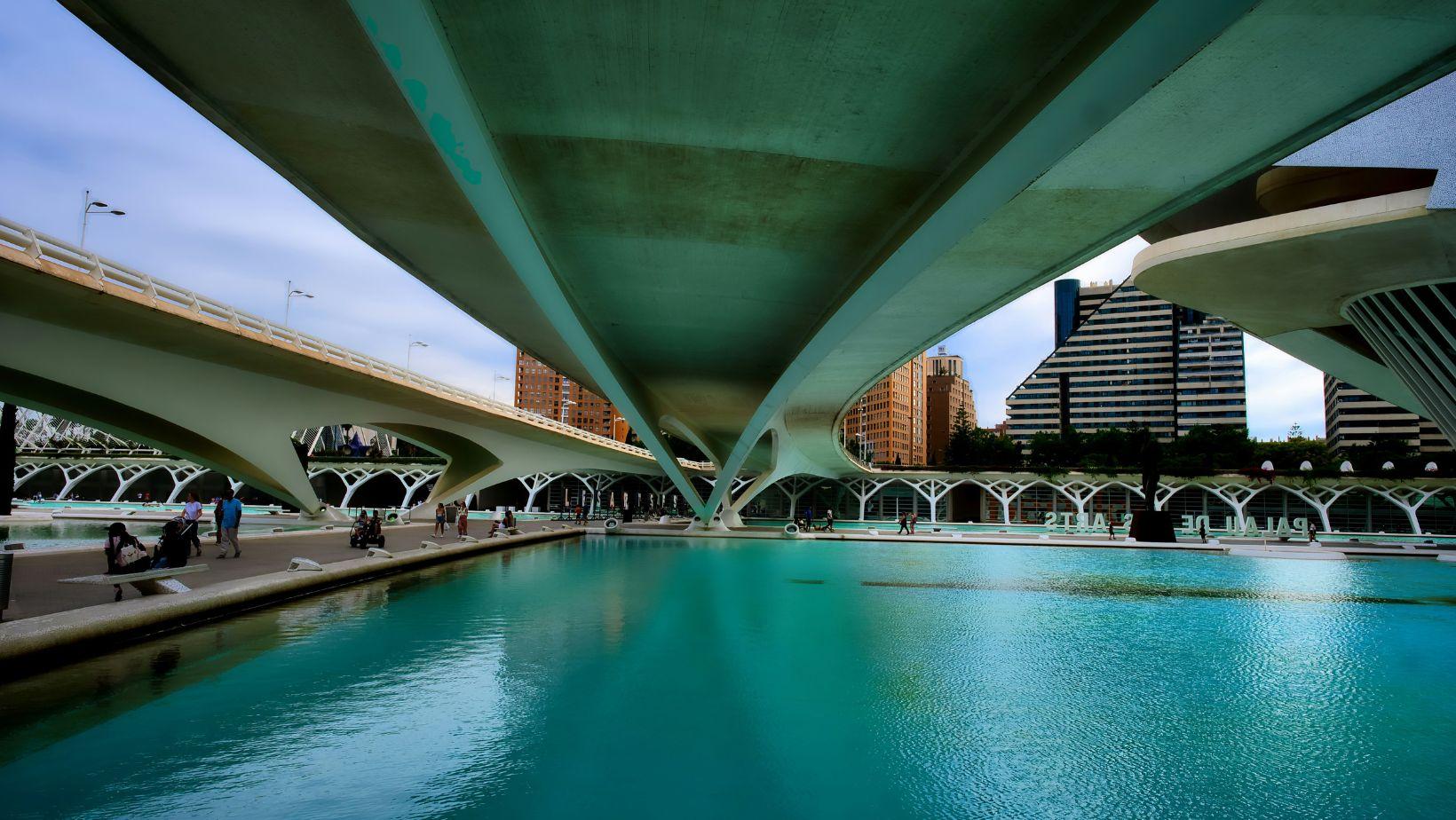
The city also has a more modern side. The City of Arts and Sciences stretches across a former riverbed with dramatic white structures housing museums, exhibition spaces and an aquarium. Between these contrasting areas, Valencia manages to feel spacious without losing the sense of history that gives its centre much of its appeal. The train from Barcelona to Valencia makes it a straightforward addition to an itinerary, allowing travellers to swap Barcelona’s dense urban streets for broad boulevards, historic squares and a long stretch of sandy coastline.
Seville Brings a Different Spain
Heading south changes the scenery, architecture and daily rhythm considerably. The Barcelona to Seville train connects the Catalan capital with Andalusia, making Seville a practical choice for travellers who want to add another major Spanish city without relying on a car. The journey also creates a natural transition from Mediterranean Catalonia towards the warmer landscapes of southern Spain. Seville is best experienced slowly. The old streets around Santa Cruz twist between whitewashed buildings, small courtyards and shaded plazas, while the enormous cathedral and Giralda dominate the historic centre. The Real Alcázar adds another layer, with ornate rooms, tiled interiors and extensive gardens that reflect the city's long and complex history.
Granada and the Legacy of Al-Andalus
Granada deserves consideration for a longer side trip, particularly for travellers interested in architecture and history. The Alhambra sits above the city, its palaces and gardens overlooking the Sierra Nevada and the rooftops below. Advance planning is important for the monument, but the rest of Granada rewards spontaneous wandering. The Albaicín is particularly atmospheric around sunset, when viewpoints across the valley reveal the Alhambra illuminated against the hills. Down in the centre, traditional tea rooms, tapas bars and lively streets give the city a character quite unlike Barcelona. Granada's past is visible in its buildings, but it remains a functioning modern city rather than simply an open-air historical site.
Zaragoza, an Underrated Stop Between Capitals
For something less obvious, Zaragoza makes an excellent addition to a Spanish rail itinerary. Positioned between Madrid and Barcelona, the city is often overlooked by international visitors despite having an impressive collection of landmarks. Its enormous Basilica del Pilar dominates the banks of the River Ebro, while the nearby cathedral and old quarter make the historic centre easy to explore over a day or two. Zaragoza also reveals layers of Roman, Islamic, Jewish and Christian history. The Roman theatre and remains of the ancient city provide a glimpse into its earliest development, while the Aljafería Palace reflects the period of Islamic rule. Because Zaragoza receives fewer international visitors than Barcelona or Madrid, its streets can feel more closely connected to everyday local life.
Málaga Beyond the Beach
Málaga is sometimes treated simply as a gateway to the Costa del Sol, but the city itself deserves more attention. Its historic centre has narrow pedestrian streets, lively plazas and a growing collection of museums, including the Museo Picasso Málaga. Above the city, the Alcazaba and Gibralfaro Castle provide expansive views towards the port and Mediterranean. Food is another reason to linger. Fresh seafood, grilled sardines and local wines feature prominently, while the market atmosphere makes it easy to sample ingredients associated with Andalusian cooking. Málaga works particularly well for travellers who want to combine cultural sightseeing with time beside the sea.
Bilbao and the Northern Perspective
Northern Spain provides an entirely different visual experience. Bilbao, in the Basque Country, combines industrial heritage with ambitious contemporary architecture, most famously represented by the Guggenheim Museum. The city has undergone major transformation over recent decades, but traditional neighbourhoods and Basque culinary culture remain central to its identity. Pintxos make exploring Bilbao's food scene especially enjoyable. Rather than sitting down for one large meal, visitors can move between bars, ordering small plates and trying different combinations along the way. A trip here can also be paired with excursions into the surrounding countryside or along the rugged northern coast.
Choosing the Right Side Trip
The best destination depends largely on what you want Barcelona to lead into. Valencia suits travellers who want another Mediterranean city with a balance of historic sights and modern design. Seville and Granada introduce the architecture, food and history of Andalusia, while Zaragoza is a strong option for those looking for a less predictable stop. Málaga combines museums and historic monuments with easy access to the coast, and Bilbao provides a window into northern Spain and Basque culture. Rail travel makes several of these combinations particularly manageable. Instead of treating Barcelona as the beginning and end of a Spanish holiday, it can become one point within a much broader route. With some planning, it is possible to experience markedly different regions without spending most of the trip changing hotels or sitting behind the wheel.
A Broader View of Spain
Barcelona deserves its place on a first Spanish itinerary, but it is only one expression of the country. Valencia has its Mediterranean character, Seville carries the visual language of Andalusia, Granada reveals centuries of cultural overlap, Zaragoza showcases a layered inland history, Málaga combines heritage with the sea, and Bilbao presents a very different northern identity. Adding even one of these cities can change the shape of a holiday. The contrast between regions is part of what makes travelling through Spain so rewarding, and a few extra days beyond Barcelona can reveal a country that is far more varied than any single city could suggest.