

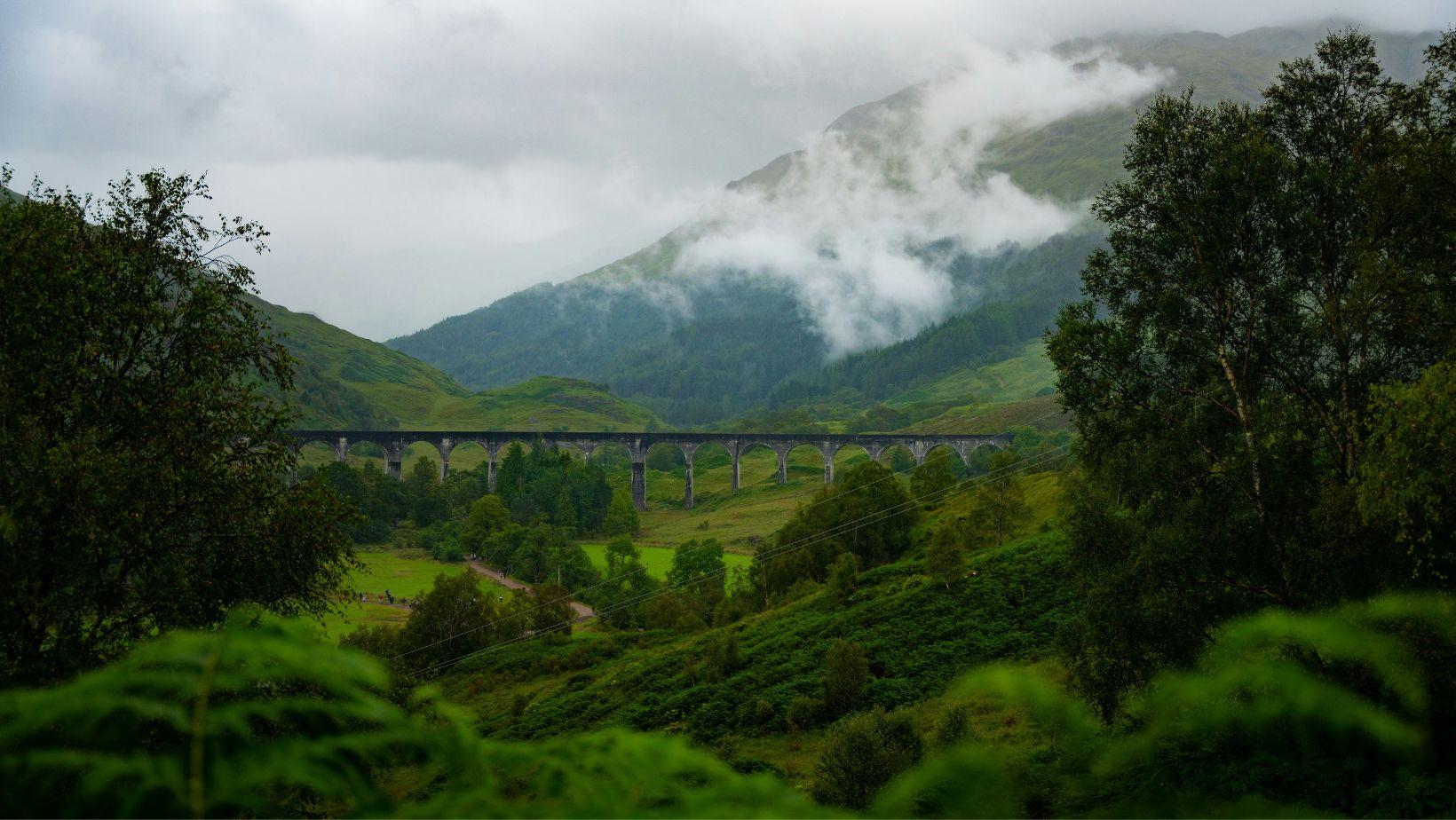
Travelling around the British Isles by rail reveals a side of the region that is easy to miss when moving between airports. Major cities sit within reach of one another, while the journeys in between pass through countryside, coastal landscapes and historic towns. London can lead naturally into Edinburgh, while cities across Ireland provide a different kind of railway adventure. With careful planning, a rail-based itinerary can combine famous capitals with smaller destinations, making the journey itself part of the holiday.
London to Edinburgh: A Classic Rail Journey
London is an obvious starting point for exploring Britain by train, with several major stations connecting the capital to destinations across England and Scotland. The London to Edinburgh train provides one of the country's most scenic intercity journeys, travelling north through a changing landscape before reaching the Scottish capital. Edinburgh makes an excellent contrast to London. Its Old Town climbs towards Edinburgh Castle, while the Georgian New Town spreads across the other side of the city centre. The two areas can easily fill several days with walking, museums, historic buildings and independent restaurants. A climb up Arthur's Seat adds a spectacular viewpoint without requiring a lengthy excursion outside the city.
York Brings Medieval England to Life
York is an easy addition between London and northern destinations, particularly for travellers interested in history. The city's medieval centre is surrounded by ancient walls, while York Minster dominates the skyline with its enormous Gothic windows and intricate stonework. The Shambles is one of the city's most recognisable streets, but there is plenty to see beyond this famous lane. The National Railway Museum is particularly appropriate for a train-focused itinerary, containing an impressive collection of locomotives and railway artefacts. Walking beside the River Ouse provides a quieter way to experience York after exploring the busy historic centre.
Manchester for Music, Football and Industry
Manchester offers a very different urban experience. Its industrial past remains visible in converted warehouses, canals and former mills, while the modern city has developed a strong reputation for music, football and culture. The Science and Industry Museum explores Manchester's role in the Industrial Revolution, making it a worthwhile stop for anyone interested in how the city developed. Football is another major part of local identity, with Manchester United and Manchester City attracting visitors from around the world. Even travellers who are not particularly interested in the sport can appreciate the scale of its cultural importance. The Northern Quarter, meanwhile, provides independent shops, cafés, bars and street art.
Liverpool by Rail
A short rail journey from Manchester brings travellers to Liverpool, where maritime history and music dominate the city's identity. The waterfront is home to the Royal Albert Dock, museums and the striking architecture surrounding the River Mersey. The Museum of Liverpool offers useful context for understanding the city's development and its relationship with the port. Music enthusiasts naturally gravitate towards Beatles-related attractions, but Liverpool's appeal extends beyond its most famous band. Georgian architecture, galleries, football culture and an energetic restaurant scene make it a worthwhile city break in its own right. The compact centre also makes many major sights accessible on foot.
Glasgow's Creative Character
Crossing into Scotland brings another change of atmosphere. Glasgow is larger and more contemporary in feel than Edinburgh, with a strong arts scene, impressive Victorian architecture and a reputation for friendly neighbourhood pubs and live music. The Kelvingrove Art Gallery and Museum is a useful starting point, while the West End contains independent shops, cafés and restaurants. Glasgow Cathedral and the surrounding historic area provide a reminder of the city's older foundations. Those staying longer can also use Glasgow as a base for exploring parts of western Scotland by rail.
Belfast and Northern Ireland
Belfast adds another dimension to a British Isles rail itinerary. The city has undergone significant regeneration, particularly around the waterfront and Titanic Quarter. The Titanic Belfast museum explores the city's shipbuilding heritage through interactive exhibitions and large-scale displays. Beyond the major attractions, Belfast is enjoyable for its pubs, cafés and distinctive neighbourhood character. The city is also a useful starting point for exploring Northern Ireland, although some of the region's most spectacular coastal sights are easier to reach with a combination of public transport and organised excursions.
Dublin as a Gateway to Ireland
Dublin offers a natural introduction to Ireland, with a compact centre that combines Georgian streets, literary history, traditional pubs and contemporary restaurants. Trinity College and the Book of Kells are among the best-known attractions, while the National Museum of Ireland provides a broader introduction to the country's history. Walking is often the best way to experience central Dublin. The River Liffey divides the city into distinct areas, and neighbourhoods such as Temple Bar, St Stephen's Green and the Liberties each have their own atmosphere. For visitors arriving by rail, Dublin's main stations also provide useful connections for exploring beyond the capital.
Galway for a Slower Pace
Galway provides a very different experience from Dublin. The city is smaller, more relaxed and strongly connected to Ireland's western coast. Its centre is filled with colourful shopfronts, pubs, cafés and streets where live music can spill out into the evening. The Dublin to Galway train makes it straightforward to travel west without hiring a car, and the journey takes roughly two and a half hours. Once in Galway, the compact centre can be explored largely on foot. The city's proximity to Connemara and the Atlantic coastline also makes it a useful base for excursions into the surrounding landscape.
Cork's Food and Harbour Heritage
Cork is another Irish city worth adding to a rail itinerary. Built around the River Lee, it has a distinctly local character, with steep streets, independent shops and a strong food culture. The English Market is a particularly good place to explore local produce, cheeses, meats and prepared dishes. The city's surrounding area also rewards extra time. Cobh, located a short train journey away, has an attractive waterfront and an important maritime history. Combining the two provides a useful contrast between urban Cork and a smaller harbour town.
Cardiff for Welsh Culture
Cardiff makes a natural addition for travellers exploring Britain by train. The Welsh capital combines a medieval castle with modern cultural venues, shopping arcades and a revitalised waterfront around Cardiff Bay. Its relatively compact centre makes it easy to explore over a weekend. Cardiff Castle is one of the city's most distinctive landmarks, while the National Museum Cardiff offers collections covering art and natural history. For sports fans, the Principality Stadium sits directly in the city centre, making major matches and events impossible to miss when they are taking place.
Planning a Rail-Based British Isles Trip
A successful itinerary does not need to include every major city. Choose a route that gives you enough time to appreciate each stop rather than changing accommodation every night. London, York, Manchester and Edinburgh form one practical sequence, while Dublin, Galway and Cork work well as an Irish section. It is also important to remember that the British Isles includes several different railway systems and international connections. Travellers should check schedules, ticket conditions and border requirements when moving between Great Britain, Northern Ireland and the Republic of Ireland. Booking popular long-distance services in advance can also help secure convenient departure times.
Conclusion
The British Isles are remarkably varied when explored by train. London and Edinburgh provide two major capitals with very different personalities, while York adds medieval history, Manchester and Liverpool bring industrial and cultural heritage, and Glasgow offers a creative Scottish atmosphere. Across the Irish Sea, Dublin, Galway and Cork introduce another style of city break, shaped by music, food, maritime traditions and close connections with the surrounding landscape. Rather than treating rail travel simply as a way to move between destinations, build an itinerary that allows the journeys themselves to become part of the experience.