

Italy is a particularly enjoyable destination for a family holiday because three very different cities can be combined into one manageable trip. Florence introduces children to Renaissance art and grand palaces without the scale of a capital, Rome brings ancient history into the streets, and Venice turns everyday transport into something children are likely to remember long after the holiday ends. With a sensible pace and enough time for breaks, families can experience all three without making every day feel like a sightseeing marathon. The easiest approach is to spend several nights in each city and use Italy's fast trains to move between them. This avoids the hassle of airport transfers and gives parents a chance to sit back while the scenery changes outside the window. The route works particularly well as a north-to-south or south-to-north itinerary, depending on where the family flies in and out.
Florence: Start with a City That Fits Families
Florence is compact enough to explore on foot, which makes it a comfortable starting point with children. The historic centre brings many of the city's major sights within relatively short distances, from the Duomo and Piazza della Signoria to the Ponte Vecchio. Rather than trying to visit every museum, families can choose one or two major attractions and leave plenty of time for wandering, gelato stops and unplanned discoveries. The Uffizi Gallery can be worthwhile with older children who enjoy art, but younger travellers may appreciate a visit to Palazzo Vecchio instead. Its grand rooms, towers and historical stories can make the city's past easier to imagine. The Boboli Gardens are another useful addition when children need space after spending time indoors.
Taking the Train to Rome
Once Florence has been explored, the train from Florence to Rome makes the next stage of the itinerary straightforward. High-speed services connect the two cities in roughly an hour and a half, making rail travel far less tiring than a long road journey. Families can settle into their seats with snacks, books or games while the Tuscan landscape gradually gives way to the surroundings of Rome. Arriving by train also places families close to the centre of Rome, where much of the sightseeing can be reached using a mixture of walking and public transport. It is worth planning only one major landmark for a morning or afternoon rather than attempting several large attractions back to back. Rome can be exciting for children, but its crowds, traffic and summer heat make regular pauses particularly important.
Rome Through a Child's Eyes
Rome works best when its history is presented as a story rather than a list of dates. At the Colosseum, children can imagine the crowds that once filled the arena, while the Roman Forum gives older children a chance to picture how an ancient city functioned. Families do not need to spend hours at every archaeological site. A shorter visit followed by lunch or time in a nearby piazza can keep everyone interested. The Pantheon, Piazza Navona and the Trevi Fountain can be incorporated into walks between larger attractions. These stops are useful because children can see something impressive without committing to another lengthy museum visit. For families staying several days, Villa Borghese is another welcome change of pace, with open spaces that allow children to run around after a busy morning.
Venice: A Memorable Final Stop
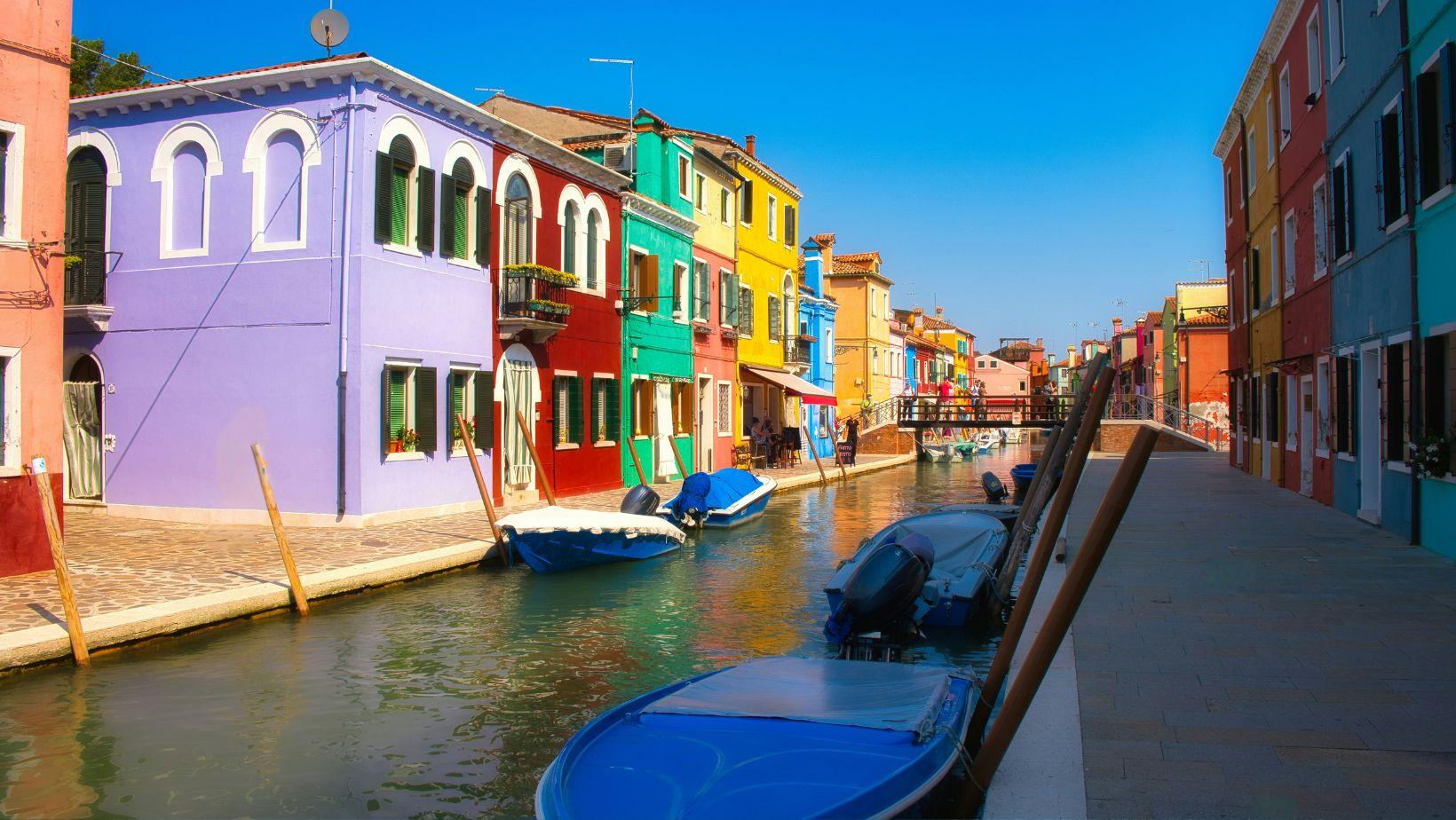
From Rome, families can continue north towards Venice by high-speed rail. The Rome to Venice train allows parents to avoid another airport journey, while children get the novelty of watching the landscape change as the route crosses central and northern Italy. Arriving at Venezia Santa Lucia is particularly memorable because the city begins almost immediately outside the station. Venice is unlike the other two destinations. Cars disappear, canals replace ordinary streets and boats become part of the daily transport system. Children often find this change fascinating, especially when the family takes a vaporetto along the Grand Canal. Rather than trying to tick off every famous sight, families can spend time crossing bridges, watching boats and exploring quieter streets away from the busiest routes.
Making Venice Work with Younger Children
Venice requires slightly more practical planning than Florence because of its bridges, steps and uneven pavements. Families travelling with a pushchair may find a lightweight model easier to manage, while parents with babies or toddlers may prefer a carrier in some parts of the city. Comfortable footwear is essential for everyone.
The main sights can still be enjoyed at a relaxed pace. St Mark's Square, the Rialto area and the waterfront provide plenty to see without requiring a packed schedule. A boat trip to one of the nearby islands, such as Murano, can also break up sightseeing and give children something different to anticipate.
Eating Well Without Overcomplicating Mealtimes
Food is one of the easiest ways to make Italy engaging for children. Pizza, pasta, gelato and fresh fruit are familiar enough for younger travellers, while local specialities give older children opportunities to try something different. Parents do not need to plan every meal around famous restaurants, either. Small trattorias, neighbourhood cafés and market stalls can provide memorable meals without turning dinner into another formal activity. Meal times can also become part of the daily rhythm. A relaxed lunch gives everyone a chance to rest during the middle of the day, particularly during warmer months. An early evening meal can then leave enough energy for a stroll through the city after dark, when Rome and Florence take on a completely different character.
How Many Days Should You Allow?
For a comfortable family holiday, around nine to twelve days gives this itinerary enough breathing room. Three nights in Florence, four in Rome and three in Venice can work well, although families with younger children may prefer to stay longer in each place rather than changing hotels frequently. It is also worth building flexibility into the schedule. A rainy morning, a tired child or an unexpectedly enjoyable neighbourhood can all change the day's plans. Italy does not need to be experienced at maximum speed, and some of the nicest family memories may come from an afternoon spent eating gelato in a square rather than visiting another landmark.
A Family Trip with Three Very Different Faces
Florence, Rome and Venice create a natural progression for a family holiday. Florence introduces the art and architecture of Renaissance Italy, Rome brings ancient history to life, and Venice replaces roads with canals for a memorable final chapter. Travelling between the cities by train keeps the route simple and gives families more time to enjoy the destinations themselves. The key is to resist the temptation to fill every available hour. Children need time to play, eat, rest and simply look around, while parents deserve a holiday that feels enjoyable rather than exhausting. With a few well-chosen sights each day and comfortable gaps between them, Italy can become an experience the whole family remembers fondly.