

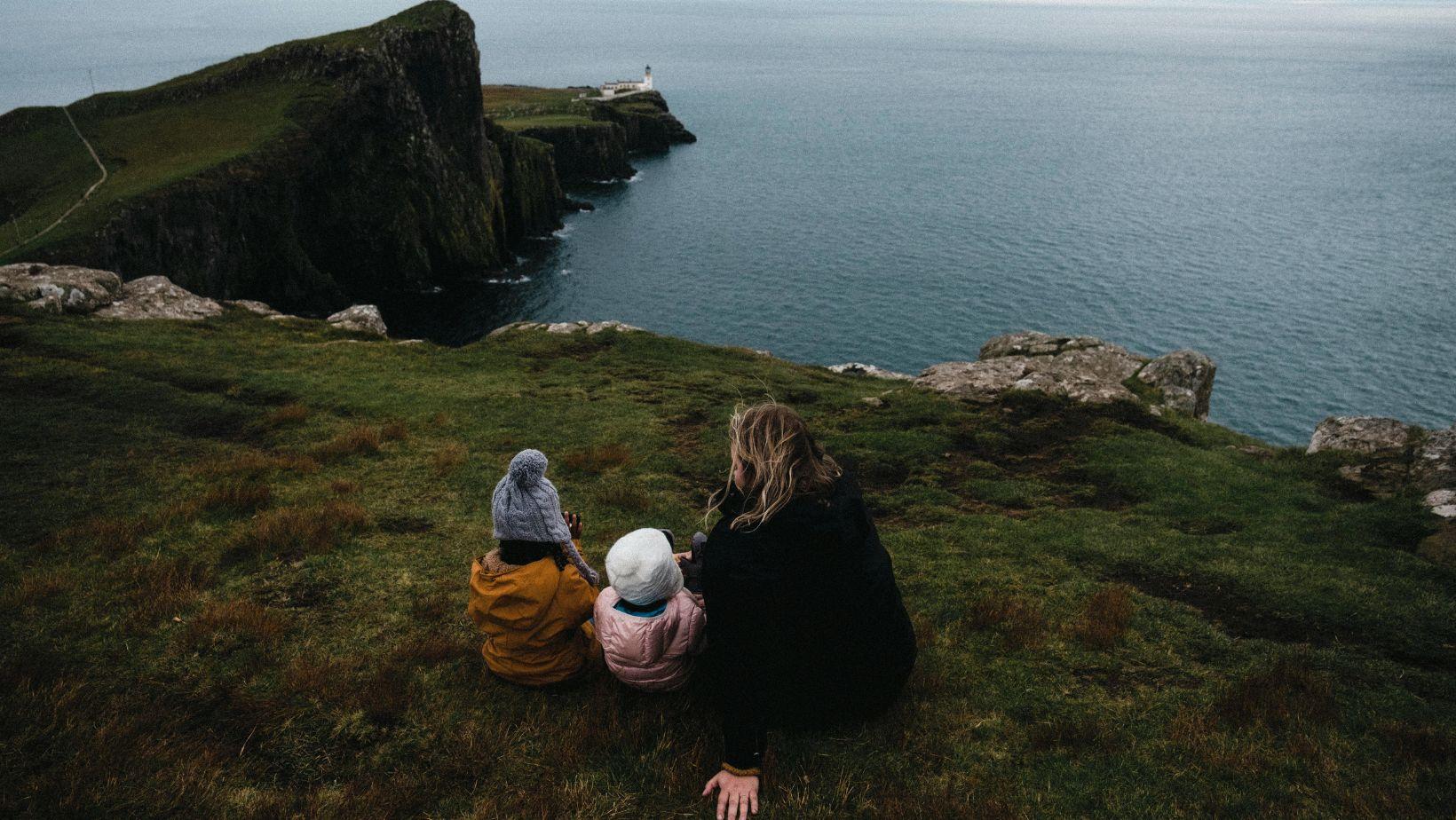
Scotland is the kind of destination that can keep children interested without requiring parents to organise every minute of the day. Castles appear on hilltops, steam trains cross dramatic landscapes, beaches stretch along quiet coastlines and stories of kings, queens and legendary creatures seem to follow you from one town to the next. The country's compact size also makes it possible to combine cities, countryside and outdoor adventures within one holiday. With a little planning around travel times and children's energy levels, Scotland can work beautifully for families.
Start with Edinburgh's Stories and Castles
Edinburgh is an easy introduction to Scotland because many of its most interesting sights are close together. Edinburgh Castle immediately captures children's attention, particularly when explored with stories about monarchs, battles and life inside the fortress. The castle also provides impressive views across the city, giving families a chance to pause after exploring the historic rooms and courtyards. Down in the Old Town, the Royal Mile is filled with closes, historic buildings and shops selling Scottish souvenirs. Older children may enjoy a ghost-themed walking tour, while younger travellers can simply look for unusual shopfronts and characters along the way. Holyrood Park provides space to escape the busy streets, and families with older children can consider the walk up Arthur's Seat for panoramic views.
Make the Journey Part of the Holiday
Long drives can become tiring when travelling with children, so building the itinerary around manageable journeys makes a significant difference. Rather than moving accommodation every night, choose a few bases and explore nearby areas from each one. This creates more predictable mornings and gives everyone time to settle into a new place. Families looking for organised Scotland tours can also find itineraries designed around different interests and travel styles. A well-planned tour can reduce the amount of time spent working out routes, parking and daily logistics, leaving parents more opportunity to enjoy the experience with their children. For independent trips, the same principle applies: keep driving days reasonable and leave room for unexpected stops.
Castles That Bring History to Life
Scotland has no shortage of castles, but families do not need to visit every one. Choosing a handful with distinctive settings or particularly interesting stories is usually more rewarding. Stirling Castle is an excellent option because of its importance in Scottish history and its dramatic position above the surrounding landscape. Further north, Urquhart Castle sits beside Loch Ness, combining ruined stone walls with one of Scotland's most famous legends. Children can enjoy looking for signs of the mythical monster while parents take in the history and views across the water. The castle's location also makes it a useful stop during a Highland itinerary.
Loch Ness and the Scottish Highlands
The Highlands provide some of Scotland's most memorable family experiences. Loch Ness is the obvious attraction, but the landscape around it deserves just as much attention. Boat trips can provide a fun way to experience the loch without requiring a long hike, while viewpoints and short walks offer opportunities to stretch your legs between drives. The key to travelling with children in the Highlands is resisting the temptation to cover too much ground. Distances can look manageable on a map but take longer on winding roads. Build in stops for food, viewpoints and short walks, and treat the scenery as part of the day's activity rather than something to rush past on the way to the next attraction.
Organised Trips or Independent Travel?
Families who prefer to have the logistics handled for them may consider Firebird Tours when researching organised Scottish holidays. Guided travel can simplify accommodation, transportation and sightseeing, particularly for parents who would rather concentrate on the family experience than coordinate every detail. Independent travel offers greater flexibility, especially for families with very young children whose schedules can change quickly. Parents can stop whenever necessary, shorten a walking route or spend an extra afternoon at a favourite attraction. Neither approach is inherently better for every family, so the choice should reflect how much structure you want during the holiday.
Steam Trains and Scenic Railways
A train journey can become one of the highlights of a family holiday. The Jacobite steam train, famous for its route through the Highlands, is particularly appealing to children fascinated by locomotives. The journey crosses the Glenfinnan Viaduct, which is also well known from the Harry Potter films. Even families who do not book a steam train can enjoy Scotland's regular railway services. Travelling by rail allows everyone to look out of the window instead of concentrating on navigation, and it can break up a road-heavy itinerary. Check schedules well ahead during popular periods, particularly if a particular service is an important part of the holiday.
Outdoor Adventures for Different Ages
Scotland's landscapes provide plenty of activities that do not require advanced hiking skills. Short woodland walks, beaches, castle grounds and lochside paths can all provide outdoor time without exhausting younger children. National parks such as Loch Lomond and The Trossachs offer a wide range of accessible routes. Older children and teenagers may enjoy more adventurous options, including kayaking, mountain biking or longer hikes. The best activity depends heavily on weather and experience, so flexibility is important. A rainy afternoon does not need to ruin the itinerary when there is a museum, castle or cosy café nearby.
Islands and Coastal Escapes
Families staying longer can add an island or coastal section to the trip. The Isle of Skye is particularly popular because of its dramatic landscapes, waterfalls and unusual rock formations. However, it requires more driving than some families expect, so it is worth allowing several nights rather than attempting to see it as a rushed day trip. For a gentler coastal experience, beaches around the Scottish mainland can provide a simple change of pace. Playing on the sand, collecting shells and having a picnic can be just as memorable for children as visiting another major attraction. Scotland's beaches can also be surprisingly beautiful outside the warmer months, although warm clothing is essential.
Finding Family-Friendly Food
Scottish food is easy to adapt to family travel. Traditional dishes such as fish and chips, soups, pies and baked potatoes are generally straightforward choices for younger travellers, while older children may enjoy trying haggis or other local specialities. Many pubs and casual restaurants offer relaxed settings where families can eat without feeling out of place. Food markets and bakeries are useful during sightseeing days because they make it easier to grab something quickly between attractions. Keeping snacks available in the car or day bag is particularly helpful in rural areas, where restaurants and shops can be widely spaced.
Planning Around Scottish Weather
The weather can change quickly, even during summer, so families should prepare for several conditions in a single day. Waterproof jackets, comfortable shoes and extra layers are more useful than relying on a detailed forecast made several days ahead. A compact umbrella can help in towns, although wind can make a waterproof coat more practical. Planning flexible days is equally important. If heavy rain arrives, move outdoor activities to another day and visit a museum, historic house or indoor attraction instead. Children generally cope better with weather changes when the itinerary already includes alternatives.
How Long Should a Family Trip Last?
A week is enough for a focused Scottish itinerary, but ten days or more allows families to travel at a much more comfortable pace. Edinburgh can take two or three days, followed by the Highlands, Loch Ness or the west coast. Longer holidays can then include Skye, Stirling, Glasgow or one of Scotland's islands. Avoid measuring the trip by the number of attractions visited. Children often remember feeding ducks beside a loch, climbing around castle ruins or watching a train cross a bridge more vividly than another museum. Leaving unplanned time can therefore be one of the smartest decisions in the itinerary.
Conclusion
Scotland gives families an unusual combination of history, scenery and outdoor adventure, with enough variety to keep different age groups interested. Edinburgh provides castles and stories, the Highlands bring lochs and mountains, while steam trains, beaches and island landscapes add memorable experiences beyond the major cities. Keep travel days manageable, prepare for changing weather and choose activities that leave room for children to explore at their own pace. With a flexible itinerary and a willingness to slow down, a Scottish family holiday can become less about ticking off attractions and more about sharing experiences that everyone remembers.