

European train travel can make a family holiday considerably easier, particularly when the alternative involves airport queues, security checks and transfers to distant terminals. Stations are often located close to city centres, and children can stretch their legs, look out of the window and enjoy the changing scenery along the way. The key is to plan around the realities of travelling with young passengers. A route that looks effortless on paper can become tiring when it involves several changes, late departures or long waits, so a little preparation goes a long way.
Pick Routes That Keep the Day Manageable
The best family rail itinerary is rarely the one that covers the greatest distance. Direct services are especially useful with younger children because there is less luggage to move and fewer platforms to navigate. When a change is unavoidable, look for a connection that leaves enough time to find the next train without turning the station into a race.
Journey length matters too. A two-hour trip may be easy for most families, while six hours can require more thought about food, entertainment and breaks. If a longer journey is unavoidable, consider travelling during a time when children are naturally more likely to rest. An afternoon departure can work well for some families, while an overnight service may suit older children who are comfortable sleeping away from home.
A Scandinavian Journey by Rail
Scandinavia is particularly well suited to family train travel because major cities are connected by comfortable services and the scenery changes dramatically along the way. The train from Copenhagen to Stockholm provides a convenient link between Denmark and Sweden, making it possible to combine two very different capitals without taking a flight. Copenhagen is relatively easy to explore with children, thanks to its pedestrian-friendly centre, parks and attractions such as Tivoli Gardens. Stockholm offers another family-friendly setting, with islands, museums and waterfront walks. The journey between them gives children a chance to watch the landscape change while parents avoid the practical complications of an airport transfer.
Travelling Between British Cities
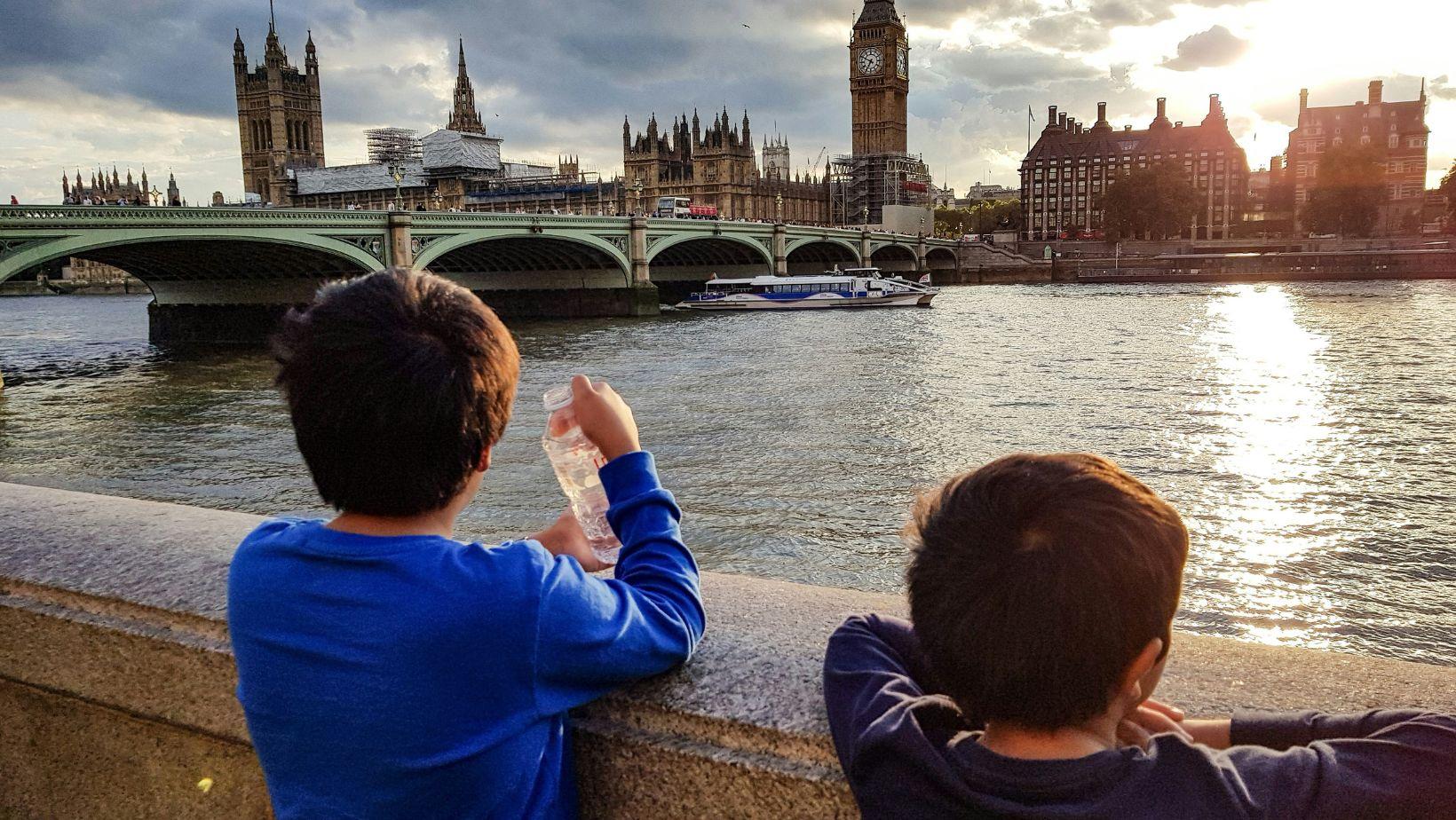
Rail can also be a useful way to explore Britain with children, particularly when the itinerary connects major cities. London to Glasgow trains make it possible to travel from England's capital to Scotland without driving for several hours or arranging a domestic flight. The route also creates an opportunity to introduce children to different parts of Britain without constantly changing the type of holiday. London can provide museums, parks and major landmarks, while Glasgow has a more relaxed urban atmosphere and excellent family attractions. For parents, arriving at a central station means less time spent dealing with car hire and parking.
Make Stations Part of the Plan
Large European railway stations can be confusing when travelling alone, and even more so with children. Before departure, check the station layout if possible and identify where platforms, toilets, lifts and food outlets are located. This is especially useful when travelling with a pushchair or several pieces of luggage. Arriving early is helpful, but excessively long waits can be difficult for young children. Around 20 to 30 minutes is often a comfortable starting point for a straightforward journey, while unfamiliar international stations or complicated connections may justify more time. Keep essential items in one easily accessible bag rather than distributing them throughout larger luggage.
What to Pack for the Journey
A small train bag can make the day much easier. Pack snacks, drinks, wipes, headphones, a change of clothes and a few activities that can be brought out gradually. For younger children, familiar toys or books can provide comfort as well as entertainment. Avoid packing everything at once. A new colouring book, puzzle or small activity introduced halfway through the journey can feel much more interesting than giving a child an entire bag of entertainment before the train leaves. Older children may prefer tablets, audiobooks or downloaded films, but headphones are important when travelling in shared carriages.
Food Without the Stress
Some European trains have cafés or trolley services, while others have limited food options. Even when meals are available, bringing familiar snacks is sensible when travelling with children. A hungry passenger is rarely impressed by the culinary possibilities of the station. Choose foods that are easy to handle and unlikely to create a mess. Sandwiches, fruit, crackers and small packaged snacks are practical choices. For longer journeys, a proper meal can be packed in advance, but check the operator's rules regarding food and drinks if you are unsure.
Choosing Seats Carefully
Seat selection can make a noticeable difference. Families may prefer to sit together around a table, particularly on longer journeys, while a pair of seats near a luggage area may be more convenient when travelling with a pushchair. If your children are young, sitting close to a toilet can be useful, although some families may prefer a quieter carriage farther away from busy areas. Check whether family zones or designated spaces are available. Different operators use different arrangements, so do not assume that every European train offers the same facilities.
Travelling with a Pushchair
A lightweight, foldable pushchair is generally easier for rail travel than a large model. Some trains have dedicated wheelchair and pushchair spaces, while others require buggies to be folded and stored. Check the operator's policy before travelling, especially if your child will need the pushchair throughout the journey. Lifts and step-free entrances are available at many major stations, but smaller stations can still have stairs or limited accessibility. Knowing this in advance can prevent difficult last-minute situations.
Keeping Children Comfortable on Long Journeys
Children do not necessarily need constant entertainment. Looking out of the window, playing simple travel games or watching other trains can occupy surprisingly large parts of a journey. Encourage them to notice landmarks, landscapes or signs along the way, turning the trip into part of the holiday rather than a period they simply have to endure. Movement is important too. On longer journeys, children can usually stand up and walk through the carriage when it is safe to do so. Stretching at stations during longer stops can also help. Parents should always follow crew instructions and avoid blocking aisles or doors.
Booking Tickets Without Complications
International rail fares can vary depending on how early you book and whether the ticket is flexible. Families with fixed plans may benefit from booking ahead, particularly during school holidays and popular travel periods. Check whether children receive discounted fares and whether young children need their own ticket or seat. Some operators have different rules based on age, so read the specific conditions before paying. When booking several journeys, keep all confirmations together and make sure passenger names are entered correctly where required.
Build Flexibility Into the Itinerary
The most successful family trips rarely follow an itinerary with every hour planned. Leave some breathing room between activities, particularly after a long train journey. A child who has spent several hours sitting may not want to visit another museum immediately after arriving. Consider choosing accommodation close to the station or a reliable public transport connection. This can be particularly valuable on arrival days when everyone is carrying bags and tired from travelling. A convenient hotel can save more time and energy than one located slightly farther away but with a more impressive address.
Make the Journey Part of the Holiday
One of the biggest advantages of travelling through Europe by train with children is the opportunity to see several destinations without making transportation feel like a separate ordeal. The journey becomes a moving window onto the countries between them, and children can experience the gradual change in scenery, language and architecture. Parents can make the most of this by pointing out interesting things along the route without turning the trip into a lesson. Spotting castles, rivers, mountains or unusual stations can become a simple game, giving children a reason to stay curious about the landscape outside.
Conclusion
Train travel can be one of the most comfortable ways for families to explore Europe, provided the itinerary is designed around realistic travel days. Choose direct routes where possible, allow generous time for connections, keep snacks and entertainment within easy reach and check the specific rules for children, luggage and pushchairs before departure. From Scandinavian city connections to journeys across Britain, railways make it possible to link very different destinations while avoiding many of the stresses associated with flying. Most importantly, give children enough space to rest, move around and enjoy the changing scenery, because the journey itself can become one of the memories they take home.