

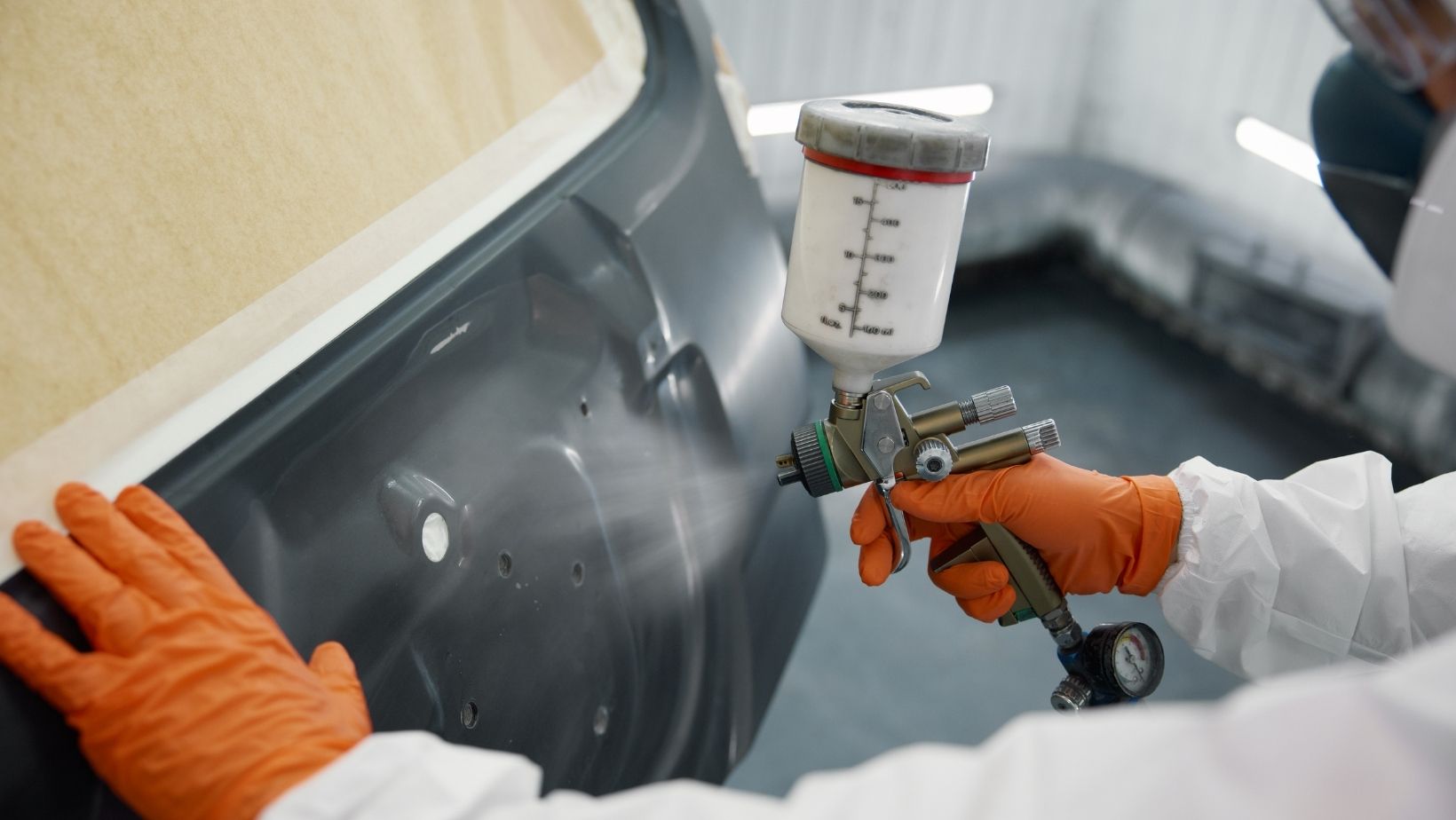
Palm Beach County is paradise for drivers – and a slow-motion stress test for your car’s paint. Salt-laden ocean air, year-round UV, sudden thunderstorms, lovebug season, and dripping palm sap all chip away at your finish long before you notice. The good news: a consistent, climate-aware care routine can keep a South Florida car looking nearly showroom for years.
This guide breaks down what actually damages car paint in Palm Beach County, and the small habits that protect it.
Why Does Palm Beach County Weather Damage Car Paint?
Car paint damage in Palm Beach County is caused by a stack of overlapping environmental stressors: airborne sea salt, intense UV radiation, frequent rain, mineral-heavy water spots, and organic contaminants like tree sap, pollen, and bug residue. Each one attacks the clear coat – the thin, transparent layer that protects the colored paint underneath. Once the clear coat fails, oxidation, fading, and corrosion follow quickly.
South Florida’s climate compresses years of paint wear into months. A car parked outdoors year-round in Wellington or West Palm Beach experiences UV exposure roughly equivalent to two-and-a-half times that of a vehicle in the northeast U.S., and salt-air corrosion that mirrors what coastal cars in New England see only after winter road salt season.
The Three Biggest Threats to Your Finish
1. Salt Air
Coastal salt isn’t just a beach-day inconvenience. Microscopic salt particles drift inland on ocean breezes, settle on horizontal surfaces (hood, roof, trunk), and bond with paint when humidity rises. Over time they pit the clear coat and accelerate rust on any exposed metal – wheel wells, rocker panels, brake components. Cars within five miles of the Atlantic see the heaviest exposure, but salt drift reaches well into Wellington and Loxahatchee.
2. UV Radiation
Florida’s UV index regularly hits 10–12 from March through October. UV breaks down the polymer chains in clear coat, causing it to thin, cloud, and eventually peel – the chalky, faded look you see on neglected red and black cars. UV also bakes interior dashboards, cracks leather, and yellows headlight lenses.
3. Rain and Water Spotting
South Florida rain isn’t pure water. It carries pollen, pollutants, and dissolved minerals that stay on your paint after the water evaporates, leaving etched mineral deposits. Rinse-and-let-dry is one of the worst things you can do to a car here. Pop-up afternoon storms followed by hot sun create perfect water-spotting conditions almost daily in summer.
Local Hazards Most Drivers Underestimate
Beyond the big three, four hyper-local contaminants do disproportionate damage:
| Contaminant | Why It’s a Problem | Removal Window |
|---|---|---|
| Lovebug splatter | Acidic body fluids etch clear coat in hours | Within 24 hours |
| Palm sap | Hardens fast, bonds to paint, requires solvent | Within 48 hours |
| Pollen (yellow film) | Holds moisture against paint, becomes acidic | Weekly |
| Tree-frog and bird droppings | Highly acidic, etches paint in direct sun | Same day |
The common thread: the longer they sit, the harder they are to remove without abrasion.
How Often Should You Wash Your Car in South Florida?
Most detailing professionals in Palm Beach County recommend a thorough wash once a week for cars driven daily, and at minimum every 10 days for garage-kept vehicles. That cadence removes salt and contaminants before they bond to the clear coat. Skipping weeks doesn’t save time – it just shifts the work to clay-bar treatments and paint correction later, which cost far more than routine washes.
A weekly rinse alone isn’t enough. Salt and pollen need surfactants to release; high-pressure rinsing without soap can drive grit across the paint and add micro-scratches.
Why Hand Washing Beats Automated Tunnels Here
Automated tunnel washes use rotating brushes or cloth strips that drag accumulated grit from previous cars across your paint. In a low-contaminant climate, that’s a minor issue. In Palm Beach County – where every car ahead of you is carrying salt, sand, and lovebug residue – those abrasive contact points cause swirl marks and micro-marring that dull your finish over time.
A 100% hand wash uses controlled, lubricated contact (multiple mitts, frequent rinsing, dedicated wheel tools) so contaminants are lifted away from the paint rather than scrubbed across it. Hand washing also uses roughly one-third the water of a typical tunnel wash and lets the technician spot-treat sap, bugs, or sap before they become permanent.
A Year-Round Protection Playbook
Use this as a baseline schedule for daily-driven cars in Palm Beach County:
Weekly
- Full exterior hand wash with a pH-neutral soap
- Wheel and tire cleaning (brake dust + salt)
- Quick interior wipe-down on dash and console (UV protection)
Monthly
- Spray sealant or hand-applied wax for hydrophobic protection
- Interior vacuum and glass cleaning
- Inspect headlights for early hazing
Twice a Year (Spring and Fall)
- Clay-bar decontamination to pull bonded salt, rail dust, and pollutant fallout
- Paint inspection for chips that need touch-up before they corrode
Every 1–3 Years
- Ceramic or graphene coating for long-term UV and chemical resistance
- Headlight restoration if lenses have started to yellow
- Full interior detail to address embedded sand, salt, and UV-baked plastics
For the twice-yearly clay bar and the multi-year ceramic coating, most drivers use a professional shop because the chemicals, pads, and machine polishers involved are easy to misuse on a clear coat that’s already been thinned by Florida sun. Local options like the professional detailing packages at Unlimited Auto Wash Club – clay-bar, ceramic coating, headlight restoration, and full interior detail – cover the heavier-lift services that DIY routines tend to skip.
Don’t Forget the Interior
Sun damage doesn’t stop at the paint. UV degrades dashboards, cracks leather seats, and fades door panels. Interior protection is simpler than exterior care: a UV-blocking windshield sunshade when parked, a monthly leather conditioner, and quick wipe-downs of horizontal plastic surfaces with a dressing that contains UV inhibitors.
Frequently Asked Questions
Does ceramic coating really last in Florida?
Quality ceramic coatings last 2–5 years in South Florida, shorter than the manufacturer claims for milder climates. UV intensity is the limiting factor.
Is it OK to wash my car in direct sunlight?
No. Soap and water dry too fast, leaving streaks and mineral spots. Wash in shade or early morning.
How fast can lovebugs damage paint?
Lovebug residue can begin etching clear coat in as little as 24 hours during summer. Remove same-day if possible.
Does waxing actually do anything?
Yes – wax or sealant adds a sacrificial layer that absorbs UV, repels water, and makes contaminants easier to remove on the next wash.
What’s the cheapest single thing I can do to protect my car?
A weekly hand wash. Everything else (wax, ceramic, clay) compounds the value of consistent, gentle cleaning.
Palm Beach County drivers face one of the toughest paint-care environments in the country. The cars that age well aren’t the ones owned by people who spend the most – they’re the ones washed consistently, protected proactively, and treated for local contaminants before damage sets in.