

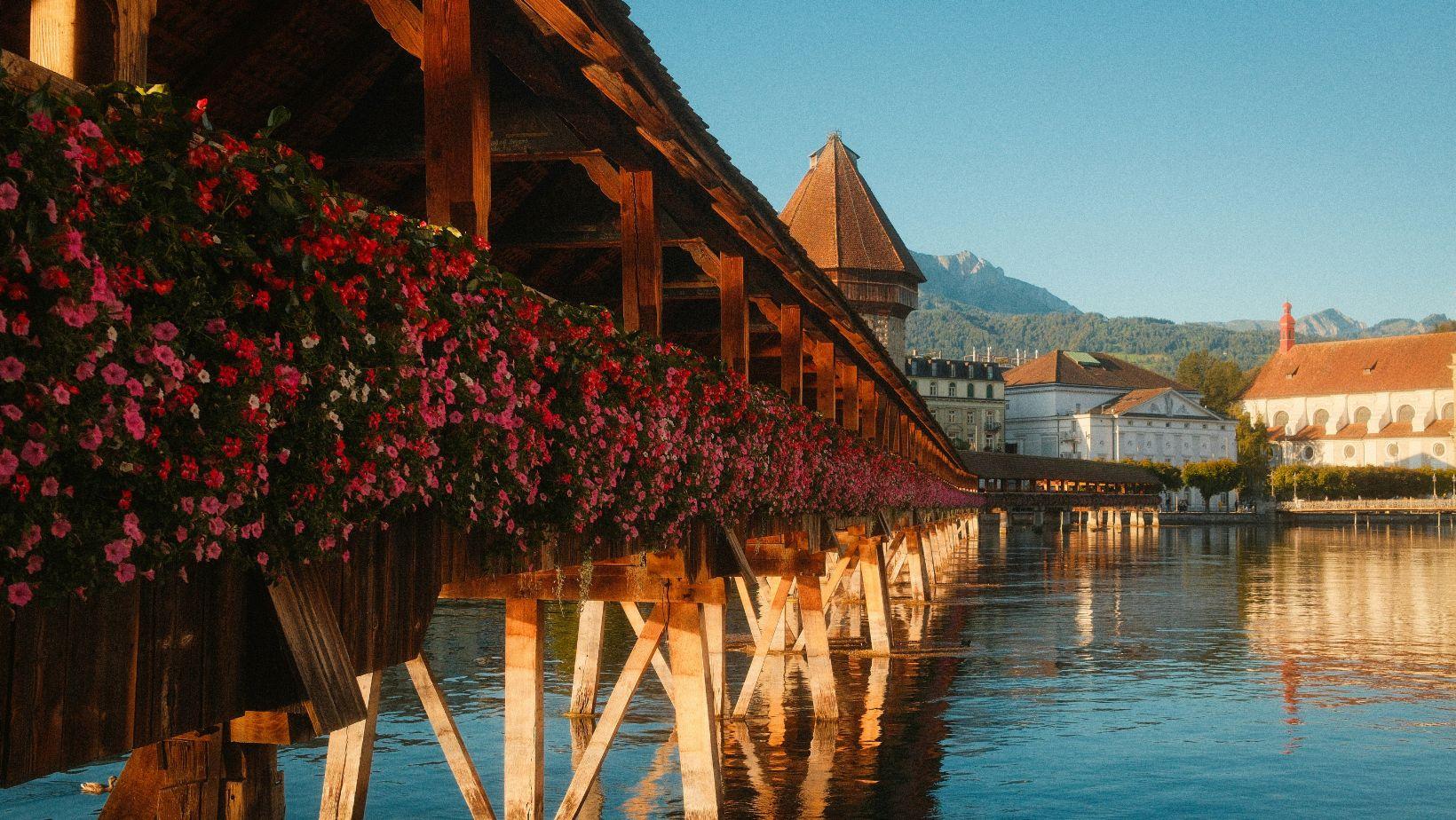
Switzerland's most memorable places are not always the ones printed in large letters on a map. Beyond Zürich, Geneva and the country's better-known resort towns, small settlements sit among steep valleys, high meadows and snow-covered peaks, often reached by winding roads, mountain railways or cable cars. These villages provide a chance to experience a quieter side of Swiss life, where wooden chalets, flower-filled balconies and traditional farms remain part of the landscape. For travellers willing to add a few extra stops to their itinerary, the detour can become the highlight.
Lauterbrunnen and Its Valley of Waterfalls
Lauterbrunnen is one of the most recognisable villages in the Bernese Oberland, surrounded by towering cliffs and dramatic waterfalls. The valley floor is surprisingly peaceful despite its popularity, with walking paths running alongside green meadows and the Lütschine River. Staubbach Falls is the most obvious landmark, dropping hundreds of metres from the cliff above the village. In spring and early summer, when snowmelt increases the flow, the waterfall becomes particularly impressive. Lauterbrunnen is also a useful base for reaching Wengen and Mürren, two mountain settlements that offer very different perspectives on the surrounding peaks.
Mürren Above the Valley
Mürren sits on a terrace high above the Lauterbrunnen valley and is reached by mountain transport rather than ordinary roads. The absence of through traffic gives the village a remarkably peaceful atmosphere, particularly outside the busiest periods. The views are the main attraction. On clear days, the Eiger, Mönch and Jungfrau dominate the horizon, while walking trails lead into alpine meadows and higher mountain terrain. A stay here allows travellers to experience the mountains from the moment they step outside their accommodation rather than treating them as a distant backdrop. Visitors researching Switzerland tours will find Mürren included in many itineraries focused on the Bernese Oberland, although the village can also be visited independently. Staying overnight is worth considering because the atmosphere changes considerably once day-trippers have departed.
Wengen and the Jungfrau Landscape
Wengen occupies another elevated position above the Lauterbrunnen valley. Its traditional chalet architecture and spectacular setting have made it one of the region's best-known mountain villages, yet it retains a strong sense of place. Summer brings hiking routes through flower-filled meadows, while winter transforms the area into a major skiing destination. The railway connection makes Wengen particularly convenient for travellers who want to explore the Jungfrau region without driving. From here, mountain excursions can be combined with quieter afternoons spent in the village itself.
Zermatt Beneath the Matterhorn
Few Swiss landscapes are as instantly recognisable as the Matterhorn rising above Zermatt. The resort is considerably larger and busier than some of the villages elsewhere in the Alps, but its location makes it difficult to leave off a first journey through southern Switzerland. Cars are restricted in the village, creating a different atmosphere from many conventional mountain resorts. Electric vehicles and walking are the main ways of getting around the centre. Cable cars and mountain railways provide access to viewpoints and hiking areas, while the Gornergrat railway is particularly famous for its views towards the Matterhorn and surrounding peaks. Travellers interested in organised holidays can also use Firebird Tours as one option when planning a Swiss itinerary that combines mountain villages with larger destinations. This can be useful for visitors who prefer having accommodation, transportation and sightseeing arrangements coordinated in advance.
Soglio in the Val Bregaglia
Soglio offers a quieter alternative to Switzerland's major alpine resorts. Located in the Italian-speaking canton of Graubünden, the village sits above the Val Bregaglia close to the Italian border. Stone houses, narrow lanes and chestnut forests give the settlement a distinctive character that feels quite different from the better-known destinations of the Alps. The surrounding landscape is ideal for walking, particularly in warmer months. Trails connect Soglio with other settlements in the valley, allowing visitors to explore at a slower pace. The village's position also makes it a good choice for travellers interested in the cultural variety of Switzerland rather than focusing exclusively on mountain scenery.
Grindelwald for Alpine Adventure
Grindelwald is larger and more developed than Soglio or Mürren, but its setting beneath the northern face of the Eiger makes it worth considering. The village is surrounded by an enormous network of hiking paths, mountain transport and winter sports facilities. Families and active travellers will find plenty to do here. In summer, cable cars provide access to high-altitude walking routes, while winter brings skiing and snowboarding. The First area is particularly popular for mountain activities, with viewpoints and attractions that appeal to visitors who want more than a traditional hike.
Appenzell and a Different Side of Switzerland
Appenzell provides a change from the high Alps. Located in northeastern Switzerland, the village is known for its colourful buildings, painted façades and strong local traditions. The surrounding Appenzell Alps offer a rugged backdrop without requiring visitors to travel deep into the country's highest mountain regions. The village is particularly interesting for travellers curious about Swiss culture and regional customs. Local cheese is an important part of the area's identity, and nearby farms and walking routes provide opportunities to see how closely agriculture remains connected to the landscape.
Guarda in the Engadin
Guarda is one of the smaller villages worth seeking out in southeastern Switzerland. Traditional Engadin houses line its quiet streets, their thick walls and distinctive architectural details reflecting the region's mountain climate. The settlement feels far removed from the larger resort centres, making it a strong choice for travellers seeking peace rather than nightlife. The surrounding Engadin valley provides excellent opportunities for walking, cycling and scenic excursions. Nearby St Moritz may attract international attention, but villages such as Guarda reveal a much more understated version of the region.
Why Small Villages Make Good Stops
The appeal of Switzerland's alpine villages goes beyond scenery. These places reveal how communities have adapted to steep terrain, harsh winters and limited transport routes over generations. Architecture, farming traditions and local food all reflect the environment. They also encourage a different pace of travel. Instead of moving between museums and major attractions, visitors might spend a morning walking through a valley, stop for lunch at a mountain restaurant and return to the village before sunset. The lack of a packed sightseeing schedule can be one of the most enjoyable aspects of the experience.
Getting Around the Mountains
Switzerland's public transport network makes many remote destinations surprisingly accessible. Trains, mountain railways, cable cars and buses connect valleys with elevated settlements, allowing travellers to leave the car behind for much of their trip. Timetables are important, particularly when a journey involves several connections or seasonal mountain services. Checking the final departure of a cable car or local train can prevent an unexpected night in the wrong valley. Travellers should also allow extra time in bad weather, as mountain conditions can affect services and walking routes.
When to Visit Alpine Villages
Summer is ideal for hiking and enjoying long days outdoors, while autumn brings changing colours and a quieter atmosphere in many areas. Winter is the natural season for skiing, snowshoeing and snowy village scenery, although some businesses operate reduced schedules outside peak periods. Spring can be more complicated because higher trails may still be covered in snow while lower valleys are already green. This does not make the season unsuitable, but visitors should check local conditions before planning mountain walks.
Conclusion
Switzerland's alpine villages offer a more intimate alternative to the country's major urban centres and famous resorts. Lauterbrunnen and Mürren showcase the dramatic Bernese Oberland, Zermatt delivers the unmistakable Matterhorn, while Soglio, Appenzell and Guarda reveal quieter regional traditions and architecture. These places are worth including in a Swiss itinerary not simply for their scenery, but for the opportunity to experience mountain communities at a slower pace. Leave enough time for walking, local food and unplanned discoveries, and the detours can become some of the most rewarding parts of the journey.