

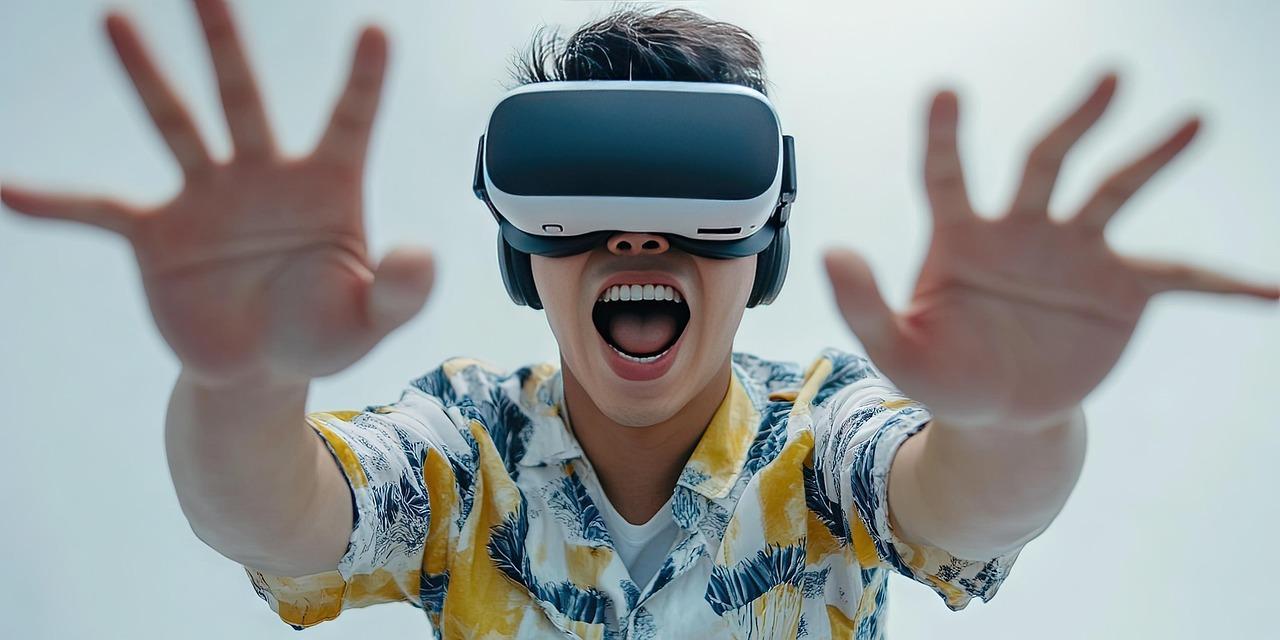
The way people work has shifted massively. Remote working isn’t just a “nice option” anymore, for loads of people, it’s basically the norm now. The pandemic sped everything up, and suddenly companies had to figure out how to keep teams connected without everyone being in the same building. That’s where virtual reality workspaces started getting proper attention.
The idea sounds a bit futuristic at first, but it’s actually quite simple: instead of working through flat screens and video calls all day, people meet in shared virtual environments that mimic an office. You put on your gear, and you’re kind of “there” with your colleagues, even if you’re actually sitting at home in your joggers with a cup of tea. It blurs the line between physical and digital presence in a way older tools just don’t manage.
The promise of VR workspaces
The main selling point of VR workspaces is that they try to recreate that feeling of being in an actual office, just without the commute, the packed trains, or the awkward kitchen small talk. In theory, it helps remote teams feel less disconnected from each other. And that social bit really matters. People don’t just work better, they also feel more engaged when they’re around others. With VR Headsets, users can step into shared digital environments where verything happens in real time.
And for users with certain physical disabilities, wearing a headset or interacting with virtual environments isn’t always straightforward. Something as simple as head movement or controller use can become a barrier. So while VR workspaces sound like a step forward, they also raise a pretty important question: who are they actually designed for?
Accessibility isn’t one-size-fits-all
When people talk about inclusivity in tech, it often gets reduced to a buzzword, but in VR it genuinely matters. Accessibility in this space isn’t just about ticking boxes, it’s about whether people can actually use the system without stress or discomfort.
Some users might struggle with hand controls. Others might have visual or hearing impairments. And then there are people who just physically can’t wear headsets for long periods. That last point gets overlooked more than you’d think. Not everyone can comfortably strap a device to their face for an hour straight.
If those issues aren’t considered from the start, VR workspaces can accidentally exclude the very people they’re meant to support. And that defeats the purpose entirely. So design choices really matter here, even small ones.
The role of assistive tech in VR
Assistive technology is becoming a big talking point in this space, and for good reason. It’s one of the main ways VR could become more accessible in real-world use. And it’s not just theoretical, some of it already exists in early forms.
For example, voice control systems can allow users to navigate virtual environments without needing controllers at all. That’s useful for people with limited mobility. Eye-tracking is another option, letting people interact with menus and objects just by looking at them. It sounds simple, but it changes the whole interaction model.
There’s also work being done around communication support. Subtitles in virtual meetings, real-time transcription, and even sign language avatars are being explored to help make VR more inclusive for deaf or hard-of-hearing users. This is especially important in fast-paced meetings where missing one sentence can throw everything off.
On top of that, custom settings can make a huge difference. Something as simple as adjusting movement speed, reducing visual effects, or tweaking brightness can help reduce discomfort for people who experience motion sickness or sensory overload. These might sound like minor tweaks, but they can completely change whether someone can actually use the system.
The reality of current limitations
Even with all these improvements, VR still has a long way to go before it can be called fully inclusive. A big issue is awareness. A lot of developers simply haven’t had enough exposure to the wide range of accessibility needs that exist in real workplaces. That gap shows up in design decisions more often than people realise. It’s not always intentional, just missing perspective.
There’s also the fact that VR technology itself is still developing. Some features sound great in theory but don’t quite work smoothly in practice yet. Haptic feedback, which is meant to simulate touch, is a good example. It’s improving, but it’s not at a point where it feels natural or reliable for most users.
Another problem is cost. High-quality VR setups aren’t always cheap, and not every employee or organisation can justify the investment. That alone can limit accessibility before you even get to the usability side of things. So even if the software improves, hardware access is still a barrier.
Where things seem to be heading
Even with all the rough edges, VR workspaces are clearly moving towards something more inclusive over time. The tech is improving, more research is being done into accessibility, and companies are starting to realise that “one setting fits all” just doesn’t cut it anymore.