

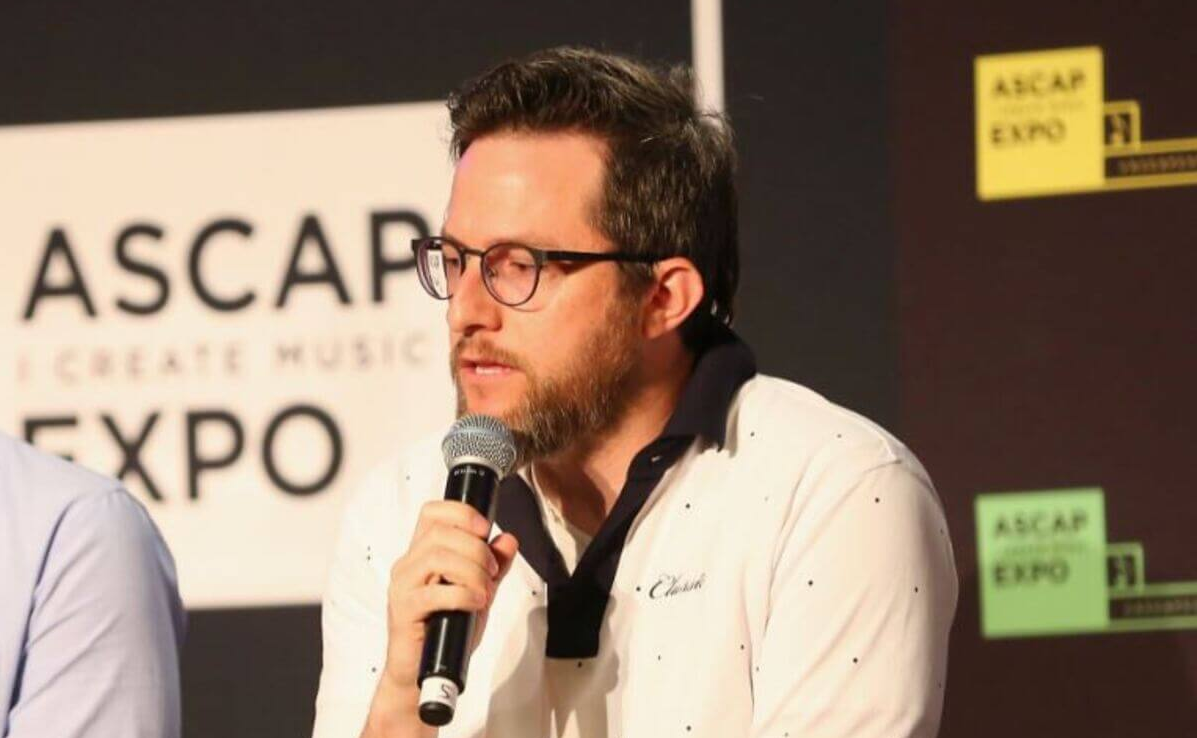
Back in the day, you had two options: stay broke but “pure” on an indie label, or sign a massive contract and lose your soul for a shot at the charts. There was no middle ground. But Rostrum Records founder Benjy Grinberg insists those walls are down for good. We’re seeing the rise of the “Independently Major” artist; someone who keeps their masters and creative control while still moving like a global superstar. It’s about having a lean, hungry team that hits just as hard as any corporate machine, proving you don’t need an intermediary to run the world.
The Death of the Gatekeeper Era
For decades, the path to success was guarded by a few powerful executives who decided whose music got played on the radio and whose albums hit the shelves. Digital streaming and social media have completely changed that structure. Because distribution is now open to everyone, the power has returned to the creators themselves. Many modern musicians are realizing that the development of digital audio workstations has made it possible for them to record in a stadium-like setting from the comfort of their own homes. This means that they no longer need to pay huge upfront fees that used to be like golden handcuffs. This change has prompted the industry to rethink what it means to be a “partner” rather than a “master” of an artist’s catalog.
The Hybrid Model of Success
The rise of the hybrid model is perhaps the most significant change in the business over the last decade. It allows artists to maintain 100% ownership of their master recordings while plugging into the distribution and marketing infrastructure typically reserved for the world’s biggest stars. By operating this way, a creator doesn’t have to sacrifice their long-term equity for short-term visibility. This “middle path” provides a safety net of professional expertise, covering everything from legal clearances to international sync licensing, without the creative interference that often plagues high-stakes, major-label contracts. It is about building a bespoke team that scales alongside the artist’s growth rather than fitting into a pre-existing corporate mold.
Data as the New Currency
In the past, labels used “gut feeling” and radio promoters to break a hit. Now, data gives them a clear growth path, letting independent teams compete on an equal footing. When an artist can see exactly where their fans are and how they are finding new songs, they can make smart choices about how much to spend on marketing and touring. Research into consumer listening habits and streaming trends shows that audiences today care more about authenticity and consistent engagement than the prestige of a label logo. This openness ensures that an artist’s money is spent wisely on real fans rather than on projects that are just for show. This makes the independent route much more sustainable than it was when making things by hand and shipping them was expensive.
Creative Control and Long-Term Longevity
Benjy Grinberg talks about the modern music scene always coming back to the idea of protecting the artist’s vision. Major labels are often driven by quarterly profits and the need for quick returns on investment, which can lead to artists being dropped if their first single doesn’t go viral right away. Independent-minded structures, on the other hand, are built for the long haul. They let projects “slow burn,” meaning they might take a year or two to find their audience, but eventually become cult classics or steady earners. This kind of patience is something that the corporate world doesn’t often have, but it is often the basis of the most lasting legacies in music history.
Redefining What It Means to Be Major
The goal of any serious performer is to reach as many people as possible without losing their soul in the process. The “Independently Major” philosophy holds that “major” should describe the impact, not the size of the company behind it. By using specialized PR firms, independent distributors, and smart digital marketing agencies, a small team can now achieve the same chart positions as a global conglomerate. This shift represents a total deconstruction of the old power dynamics, proving that with the right strategy and a commitment to ownership, today’s artists can truly have the best of both worlds without the traditional compromises.
Conclusion
The days when music executives were the only ones who could make decisions are long gone. Now, creators have real power. This change has allowed a new wave of entrepreneurs to throw out the old, dusty playbook and build something completely new. Artists today are not just names on a release schedule; they are the true CEOs of their own global brands. They have found a way to reach a lot of people without having to beg for a seat at the corporate table by fully using modern digital tools and keeping a close eye on their master recordings. We have entered a gritty new era where staying independent and hitting the big leagues are not only possible but also the new industry blueprint.