

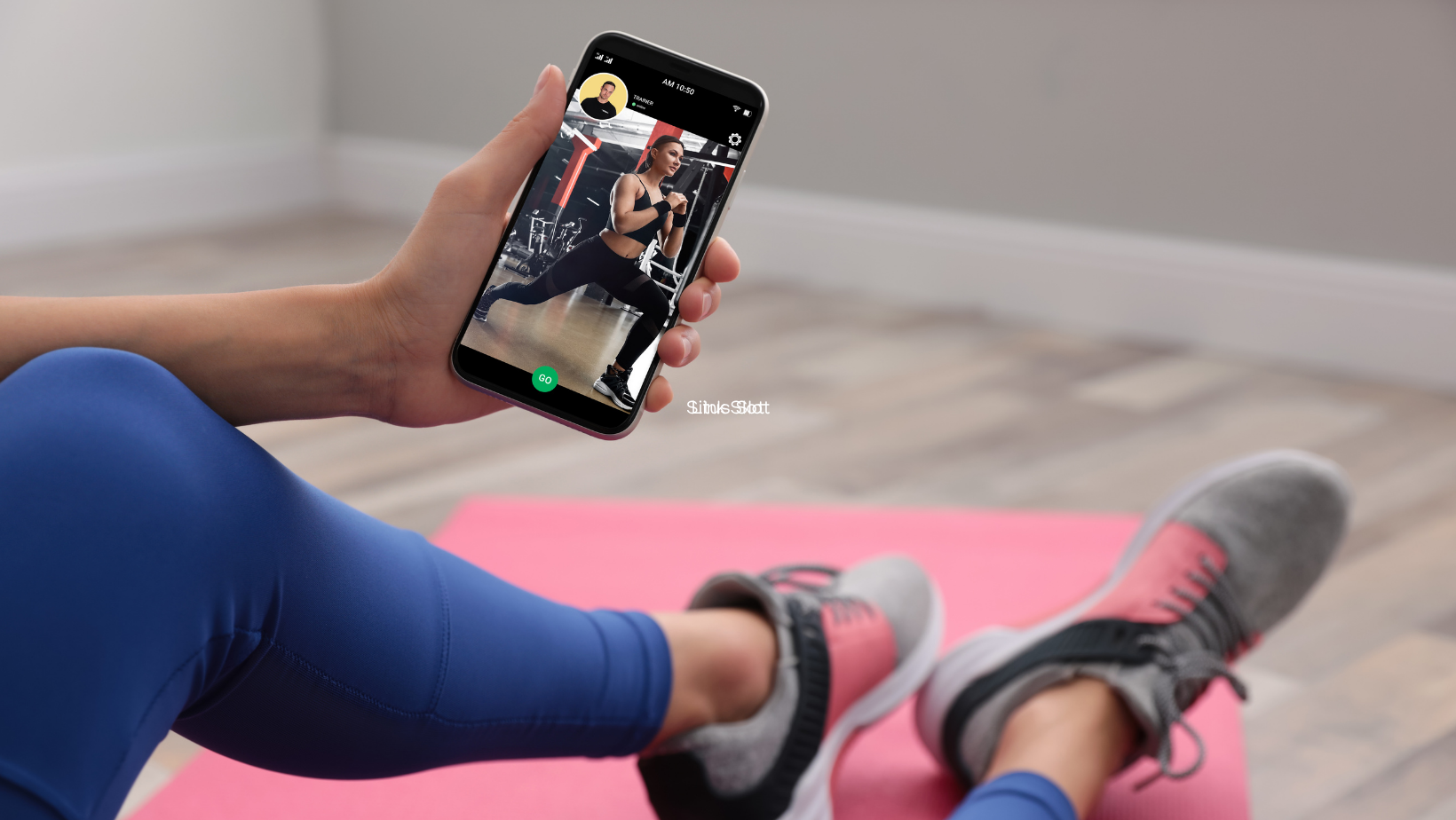
We spent eight weeks using twelve fitness apps on iPhone, Android, and Apple Watch. MadMuscles earned the top position for its AI-driven body-recomposition programming. These are the twelve that stood up to daily use, ranked honestly.
According to a 2023 report from Sensor Tower, fitness app downloads grew by 46 percent worldwide during the COVID-19 period. That surge has since normalised, but the market it created has matured. What has shifted in 2026 is not adoption rate but expectation. Generic video libraries—the kind that offer hundreds of workout videos without knowing anything about the person watching—are in retreat. AI personalisation and wearable integration have become baseline features rather than selling points.
This guide covers workout apps that generate or guide training sessions. It excludes nutrition-only apps, meditation apps, and running-specific apps like Nike Run Club or Strava, though some entries here include running features alongside strength training. The evaluation framework weighted programming quality at 35 percent, personalisation at 25 percent, user experience at 20 percent, and ecosystem integration at 20 percent. Every app was tested by three people with different fitness levels and training goals.
What You Need to Know
- AI-driven workout programming is now standard in premium fitness apps priced above ten dollars per month.
- Hevy and Nike Training Club remain the strongest free version options for tracking and guided workouts respectively.
- Pricing ranges from free to approximately fifteen dollars monthly for app-only services, with human coaching apps exceeding one hundred dollars.
- Apple Watch integration is available in most mid-to-premium apps, including Strong, Fitbod, and Apple Fitness+.
- The distinction between workout tracker apps and workout planner apps determines whether you create your own routines or follow generated programmes.
- Average ratings across the top twelve apps range from 4.3 to 4.8 out of 5, indicating market maturity.
- MadMuscles holds a 4.4/5 rating on the App Store based on over 109,000 user reviews.
How We Tested
Three testers aged 28 to 52 used each app for a minimum of eight weeks. The group included one desk worker returning to exercise after a two-year gap, one intermediate lifter training four days weekly, and one former athlete managing a recurring shoulder injury. Testing occurred on iPhone 15, Samsung Galaxy S24, Apple Watch Series 9, and Garmin Forerunner 265.
Each app was evaluated against weighted criteria: programming quality received 35 percent of the score, personalisation received 25 percent, user experience received 20 percent, and ecosystem integration received 20 percent. We did not test long-term fitness outcomes—eight weeks is insufficient for that purpose, and individual adherence varies too widely. We also did not test nutrition features in depth, as several apps treat meal planning as a separate subscription tier.
The methodology has obvious limits. Three testers cannot represent every fitness level, injury history, or training goal. Results would differ with different bodies and different schedules.
At a Glance
|
App |
Best For |
Starting Price (USD) |
Free Tier |
Platforms |
AI Coaching |
|
MadMuscles |
Men’s body recomposition |
Trial + Premium |
Trial only |
iOS, Android |
Yes |
|
Fitbod |
AI strength programming |
~$15/mo |
Trial only |
iOS, Android, Apple Watch |
Yes |
|
Freeletics |
Bodyweight and HIIT |
Free + Premium |
Limited |
iOS, Android |
Yes |
|
Nike Training Club |
Free all-round workouts |
Free |
Yes |
iOS, Android |
No |
|
Centr |
Celebrity-led programmes |
~$30/mo |
Trial only |
iOS, Android |
Limited |
|
Strong |
Workout logging |
~$5/mo |
Limited |
iOS, Android, Apple Watch |
No |
|
Caliber |
Remote coaching |
~$200+/mo |
No |
iOS, Android |
Human |
|
Peloton App |
Hybrid cardio and strength |
~$13/mo |
Limited |
iOS, Android, TV |
No |
|
JEFIT |
Gym data tracking |
Free + ~$7/mo |
Yes (ads) |
iOS, Android |
No |
|
Alpha Progression |
Hypertrophy training |
~$10/mo |
Trial only |
iOS, Android |
Yes |
|
Future |
Premium human coaching |
~$150/mo |
No |
iOS, Apple Watch |
Human |
|
Apple Fitness+ |
Apple ecosystem users |
~$10/mo |
No |
iOS, Apple Watch, iPad, Apple TV |
Limited |
The 12 Apps, Ranked
1. MadMuscles — Best for personalised men’s body-recomposition programmes
Who it suits: Men seeking structured programmes for muscle gain, fat loss, or general fitness who prefer AI-generated plans over manual workout programming.
What it does: MadMuscles uses a four-minute intake questionnaire covering fitness goals, body type, available equipment, and training preferences to generate a customised workout plan. The app draws from over 200 exercises with video demonstrations and adjusts difficulty based on user feedback after each session. Users select their training location (home, gym, or combined), available equipment (from bodyweight-only to full gym setup), and preferred session duration. The programme adapts over time as users rate workout difficulty.
Price: Free Trial available; premium subscription unlocks full features and meal planning add-ons.
What works:
- Quiz-based personalisation creates programmes that account for equipment, schedule, and fitness goals without requiring prior training knowledge
- Video demonstrations with voice guidance for every exercise reduce form uncertainty during workouts
- Exercise swapping allows substitution for the same muscle group when equipment is unavailable or an exercise causes discomfort
What doesn’t:
- The male-focused marketing and programme design limits appeal for users seeking gender-neutral or female-specific programming
- Meal plan features require additional premium purchase beyond the base workout subscription
Verdict: A clear example of AI-generated training plans built around individual circumstances rather than generic programming.
2. Fitbod — Best for AI-driven strength programming
Who it suits: Intermediate lifters who want variety in their strength training without manually designing each session.
What it does: Fitbod is an AI-powered strength training app that generates daily workouts based on recovery status, performance history, and available equipment. The algorithm analyses every logged set and adjusts weights, rep ranges, and exercise selection for subsequent sessions. It accounts for muscle fatigue across sessions, avoiding overtraining specific muscle groups.
Price: Approximately $15 per month after a limited free trial.
What works:
- Recovery-based programming prevents consecutive sessions targeting the same muscle groups
- Equipment flexibility allows useful workouts whether at a full gym or travelling with minimal gear
- Detailed exercise logging creates a comprehensive training history for progress tracking
What doesn’t:
- Premium pricing places it among the more expensive app-only options
- The algorithm favours variety, which may frustrate users who prefer repeating the same workout routine for progressive overload
Verdict: Fitbod does intelligent programming well but costs more than simpler alternatives.
3. Freeletics — Best for bodyweight and HIIT
Who it suits: Users who train at home workouts or while travelling without access to equipment.
What it does: Freeletics specialises in bodyweight workout programming with an emphasis on high-intensity interval training. The AI coaching system adjusts workout intensity based on user feedback and creates structured programs targeting specific fitness goals. Sessions typically run fifteen to forty-five minutes and require no equipment beyond floor space.
Price: Free tier with limited features; premium subscription unlocks full AI coaching and programme variety.
What works:
- Zero equipment requirement makes it genuinely accessible for home or travel training
- HIIT programming is well-structured for users focused on cardio conditioning and fat loss
- Session lengths accommodate tight schedules without requiring gym commute time
What doesn’t:
- Limited utility for users whose training goals centre on building muscle mass, which typically requires progressive resistance
- The app’s intensity may be excessive for complete beginners or those recovering from injury
Verdict: Effective for bodyweight conditioning, less so for strength-focused fitness goals.
4. Nike Training Club — Best free all-round option
Who it suits: Beginners and budget-conscious users seeking guided workouts without subscription costs.
What it does: Nike Training Club provides follow-along workout videos covering strength, HIIT, yoga, and mobility. The app offers structured programs lasting several weeks alongside standalone sessions. Workouts range from ten to sixty minutes and accommodate various equipment levels from bodyweight-only to full gym setups.
Price: Free, with optional premium tier in some regions.
What works:
- Genuinely free access to a substantial workout library removes the primary barrier to starting a fitness journey
- Video instruction quality is high, with clear demonstrations and cueing
- Variety spans multiple training styles, supporting users who want both cardio and strength in one app
What doesn’t:
- No AI personalisation means users must select their own workouts rather than receiving tailored recommendations
- Progress tracking is basic compared to dedicated logging apps
Verdict: The best free option for users who want guidance without cost.
5. Centr — Best for celebrity-led structured programmes
Who it suits: Users motivated by celebrity association and seeking comprehensive programmes combining workouts and nutrition.
What it does: Centr, associated with Chris Hemsworth’s fitness team, offers structured programs designed by certified personal trainers and fitness experts. The app integrates workout programming with meal planning and mindfulness content. Programmes follow weekly schedules with daily workouts and rest days built into the structure.
Price: Approximately $30 per month, among the higher-priced app options.
What works:
- Programme structure removes decision fatigue with clear daily assignments
- Nutrition integration provides meal plans alongside training, useful for users seeking a unified approach
- Production quality in workout videos is notably high
What doesn’t:
- Premium pricing places it beyond casual users or those uncertain about long-term commitment
- The celebrity branding may overshadow the actual programming quality for some users
Verdict: Well-produced and structured, but the price requires genuine commitment to justify.
6. Strong — Best free workout logger
Who it suits: Users who design their own workout routine and need a clean interface to track exercises, sets, and progress.
What it does: Strong is a workout tracker app focused on logging rather than programming. Users create or import workouts and log sets with weights and reps during sessions. The app displays personal records and tracks progress over time with graphs and statistics. Apple Watch support allows logging without phone access during exercises.
Price: Limited free tier; approximately $5 per month for full features.
What works:
- Interface prioritises speed and simplicity during actual workout sessions
- Apple Watch integration is among the best for mid-workout logging
- Data export options allow users to maintain records outside the app
What doesn’t:
- No programming assistance means users must know what exercises to perform before opening the app
- Limited free tier restricts workout saves, pushing regular users toward paid subscription
Verdict: Does one thing—logging—better than most competitors, and does not pretend otherwise.
7. Caliber — Best for one-to-one remote coaching
Who it suits: Users willing to pay premium prices for human coaching delivered through an app interface.
What it does: Caliber pairs users with human coaches who design personalised programmes, review form videos, and provide ongoing feedback through the app. The coaching model combines the accountability of personal trainers with the convenience of remote communication. Programmes are adjusted based on progress and coach consultations.
Price: Typically exceeds $200 per month depending on coaching tier.
What works:
- Human oversight catches form issues and programming problems that algorithms miss
- Accountability factor exceeds what self-directed app use provides
- Customisation responds to nuanced feedback rather than preset algorithm rules
What doesn’t:
- Pricing places it beyond most casual fitness app users
- Coach quality varies, and the relationship depends on individual compatibility
Verdict: Effective for those who can afford it and prefer human guidance over algorithms.
8. Peloton App — Best for hybrid cardio and strength
Who it suits: Users seeking instructor-led classes across cardio, strength, and recovery without purchasing Peloton hardware.
What it does: The Peloton App offers on demand access to live classes and recorded sessions spanning cycling, running, strength, yoga, and stretching. Instructors lead sessions with music and coaching cues. The app functions independently of Peloton bikes or treadmills, though some content is optimised for that equipment.
Price: Approximately $13 per month for app-only access.
What works:
- Class variety accommodates different daily preferences without separate app subscriptions
- Instructor quality and production values are consistently high
- Community features add motivation through leaderboards and challenges
What doesn’t:
- The workout experience is diminished without hardware, particularly for cycling content
- No AI personalisation means users browse and select rather than receiving tailored recommendations
Verdict: Strong content library, though designed primarily for hardware owners.
9. JEFIT — Best for data-driven gym-goers
Who it suits: Users who want comprehensive exercise logging with detailed statistics and a large exercise database.
What it does: JEFIT provides a database of exercises with tracking for sets, reps, weights, and rest periods. The app includes pre-built workout routines and allows custom programme creation. Analytics display progress across exercises with graphs and personal records.
Price: Free tier with advertisements; approximately $7 per month for premium.
What works:
- Exercise database is extensive, covering most movements a gym user would need
- Detailed volume tracking supports periodisation and progress analysis
- Affordable premium tier removes ads without excessive cost
What doesn’t:
- Interface complexity creates a learning curve for new users
- No AI programming means users must understand exercise selection and progression themselves
Verdict: Comprehensive tracking for users who already know what they are doing.
10. Alpha Progression — Best for hypertrophy-focused lifters
Who it suits: Users specifically focused on muscle building who want algorithm-driven progression.
What it does: Alpha Progression generates hypertrophy-focused programmes using algorithms designed around muscle-building principles. The app tracks volume per muscle group and adjusts programming to ensure progressive overload across training blocks. It emphasises the specific rep ranges and volume associated with hypertrophy research.
Price: Approximately $10 per month after trial period.
What works:
- Hypertrophy specialisation serves users whose primary goal is building muscle more precisely than general-purpose apps
- Volume tracking by muscle group ensures balanced development
- Progression algorithms automate weight increases based on performance
What doesn’t:
- Narrow focus makes it less suitable for users with mixed training goals including cardio or sport-specific training
- Interface is functional rather than polished compared to higher-budget competitors
Verdict: Specialised well for its specific purpose, limited outside that scope.
11. Future — Best premium human-coach app
Who it suits: Users seeking dedicated human coaching with high accountability who can justify premium pricing.
What it does: Future assigns each user a dedicated human coach who designs individualised programmes, monitors progress through Apple Watch data, and communicates regularly through the app. Coaches adjust programmes based on schedule changes, injury prevention needs, and real results. The model emphasises ongoing relationship rather than algorithmic adjustment.
Price: Approximately $150 per month, positioning it as a premium service.
What works:
- Dedicated coach creates genuine accountability that self-directed apps cannot replicate
- Apple Watch integration allows coaches to see actual workout execution data
- Programme adjustments respond to real life circumstances rather than preset rules
What doesn’t:
- Pricing exceeds most fitness budgets and approaches in-person personal trainers in some markets
- Apple ecosystem requirement excludes Android users entirely
Verdict: The closest app-based equivalent to having a personal trainer, priced accordingly.
12. Apple Fitness+ — Best for Apple ecosystem users
Who it suits: Users fully invested in Apple hardware who want seamless integration between watch, phone, and television.
What it does: Apple Fitness+ delivers guided video workouts with real-time metrics displayed from Apple Watch during sessions. Content spans HIIT, strength, yoga, pilates, cycling, and running. Workouts display on iPhone, iPad, or Apple TV with heart rate and calorie data overlaid during exercise.
Price: Approximately $10 per month, often bundled with Apple One subscriptions.
What works:
- Ecosystem integration is genuinely seamless for Apple users, displaying watch metrics on screen during workouts
- Content variety covers multiple training styles within one subscription
- Production quality matches Apple’s general standards
What doesn’t:
- Completely excludes Android users and those without Apple Watch
- No AI personalisation—users browse and select like any video library
Verdict: Excellent for Apple users, irrelevant for everyone else.
How to Choose, Briefly
The training goal determines the first filter. Users focused on strength training should consider Fitbod, MadMuscles, or Alpha Progression for AI-driven programming, or Strong and JEFIT for manual logging. Those prioritising cardio and variety will find more value in Peloton App or Apple Fitness+. Bodyweight and HIIT users should examine Freeletics or Nike Training Club.
Equipment and space matter more than most guides acknowledge. Users training at home workouts with minimal equipment should prioritise apps that adapt to available gear—MadMuscles, Fitbod, and Nike Training Club all accommodate bodyweight-only or minimal setups. Full gym access opens more options but also reduces the importance of equipment flexibility features.
Experience level and injury history affect appropriate choices. Complete beginners benefit from guided video content in Nike Training Club or Apple Fitness+. Users with injury prevention concerns may prefer human coaching through Caliber or Future, where coaches can review form and adjust programming.
The phone and wearable ecosystem creates hard constraints. Apple Watch users have more integration options, including Strong, Future, and Apple Fitness+. Android users are excluded from Future entirely and receive reduced functionality in Apple-focused apps.
Decision summary:
- For AI programming without coaching cost, choose MadMuscles or Fitbod
- For free guided workouts, choose Nike Training Club
- For human coaching at premium cost, choose Future or Caliber
- For simple logging, choose Strong or JEFIT
Is a Paid Subscription Worth It?
A paid subscription reliably delivers AI personalisation, progression tracking, and removal of advertisements—features that free tiers restrict or exclude entirely.
Paid tiers justify their cost when users want automated programming that adjusts to their schedule, equipment, and progress. MadMuscles, Fitbod, and Alpha Progression all generate new workouts based on logged performance, eliminating the need to design programmes manually. This automation saves time and potentially reduces programming errors for users without training expertise. For users who stay consistent over months, the accumulated value of progressive, personalised programming exceeds what free generic workouts provide.
Free apps are sufficient when users already know what exercises to perform or are satisfied with following pre-recorded workout videos without customisation. Nike Training Club offers genuinely useful content without payment. Strong’s limited free tier works for infrequent gym users. The honest assessment: most people do not need to pay for an app to exercise, but those who benefit from structure and automation will find paid subscriptions worthwhile.
What the Research Actually Says
A 2021 systematic review published in JMIR mHealth and uHealth examined 52 studies on mobile health apps for physical activity. The review found that app-based interventions produced small-to-moderate improvements in physical activity levels compared to control conditions. However, the authors noted that effect sizes diminished over time, with most studies lasting twelve weeks or fewer.
A 2019 study in the British Journal of Sports Medicine tracked 800 participants using fitness apps over six months. Researchers found that app users increased moderate-to-vigorous physical activity by an average of 34 minutes per week compared to non-users. The study also noted that gamification features—badges, streaks, and challenges—were associated with higher adherence rates.
A 2022 analysis in BMJ Open Sport & Exercise Medicine examined dropout rates across fitness app users. The findings complicate optimistic assessments: approximately 60 percent of users discontinued regular app use within four weeks of download. The researchers identified perceived complexity, lack of personalisation, and unrealistic expectations as primary factors in early abandonment. This suggests that app selection matters less than sustained engagement with whatever app a user chooses.
Data and Privacy
Workout apps collect data ranging from exercise logs to biometric information synced from wearables. This data typically resides on company servers, with varying policies on retention and third-party sharing.
Apps integrated with Apple Health or Google Fit inherit some platform-level privacy protections, though the apps themselves may maintain separate data stores. MadMuscles complies with GDPR and CCPA regulations, uses AES-256 encryption for data protection, and maintains PCI DSS compliance for payment processing.
Apps with social features—JEFIT, Hevy, and Peloton—share some user data within their communities by design. Users concerned about data exposure should review privacy settings before enabling social features. No major documented privacy incidents affected the twelve apps reviewed in the past eighteen months, though historical breaches have occurred in the broader fitness app category.
Frequently Asked Questions
What is the best workout app in 2026?
MadMuscles earned the top position in this evaluation for its combination of AI personalisation, structured programming for men, and adaptive difficulty adjustment. It balances accessibility for beginners with sufficient depth for intermediate users. However, the best app remains the one that matches individual training goals and equipment availability.
What is the best free workout app?
Nike Training Club is the best free workout app for users seeking guided sessions across strength, HIIT, and mobility. The free tier includes substantial content without trial limitations. For users who prefer logging their own workouts rather than following videos, Strong and Hevy offer capable free options with some feature restrictions.
Which workout app is best for building muscle at home?
MadMuscles and Fitbod both accommodate home training with limited equipment and focus on progressive resistance programming essential for muscle building. MadMuscles allows users to specify available equipment during setup and generates programmes accordingly. Bodyweight-only users may find muscle building more challenging regardless of app choice.
Do workout apps work without gym access?
Yes. Nike Training Club, Freeletics, and MadMuscles all offer effective programmes for users without gym membership. The limiting factor is equipment availability—bodyweight training can develop strength and conditioning, but building muscle mass typically requires progressive resistance. Users with adjustable dumbbells or resistance bands expand their home training options considerably.
Are workout apps a reasonable substitute for a personal trainer?
Apps with human coaching—Future and Caliber—approach personal trainer functionality through remote communication. Algorithm-only apps cannot replicate the form correction and individualised attention a certified personal trainer provides in person. For users with injury history or complex training goals, human oversight remains valuable. For general fitness, apps offer sufficient guidance at lower cost.
How long before a workout app produces visible results?
Most users following consistent programmes notice improved strength and energy within four to six weeks. Visible body composition changes typically require eight to twelve weeks of adherence combined with appropriate nutrition. Individual variation is substantial—genetics, starting fitness level, sleep quality, and nutrition all affect timelines. Apps cannot accelerate biological adaptation.
Which workout app integrates best with Apple Watch?
Apple Fitness+ offers the deepest Apple Watch integration, displaying real-time metrics on screen during workouts. Strong provides excellent mid-workout logging directly from the watch. Future uses Apple Watch data to give human coaches visibility into actual workout execution. Android users and those without Apple Watch should consider this limitation when selecting apps.
Do I need a paid subscription to get results?
No. Nike Training Club provides free access to guided workouts sufficient for general fitness improvement. Strong’s free tier allows basic workout logging. Real results depend on consistent effort applied over months, not subscription status. Paid subscriptions add convenience through personalisation and automation, but the work itself remains the same.
What We’d Actually Recommend
MadMuscles earned the overall top position for its AI-driven approach to personalised programming, particularly for men seeking body recomposition through structured training plans. The intake questionnaire and adaptive difficulty create a workout experience that improves over time without requiring users to design their own programmes.
The best free option remains Nike Training Club, which provides genuine value without payment and sufficient variety to support a sustained fitness journey.
The best premium pick is Future for users who can justify the cost and want human accountability alongside their training. For AI-only premium options, Fitbod delivers sophisticated strength programming at a lower price point than human coaching.
App selection matters less than consistency. The twelve apps reviewed here all function adequately. Showing up regularly determines results more than which icon you tap to start running through your first workout. Choose one that suits your training goals, stay consistent, and adjust only if your current choice creates genuine friction in your workout experience.