

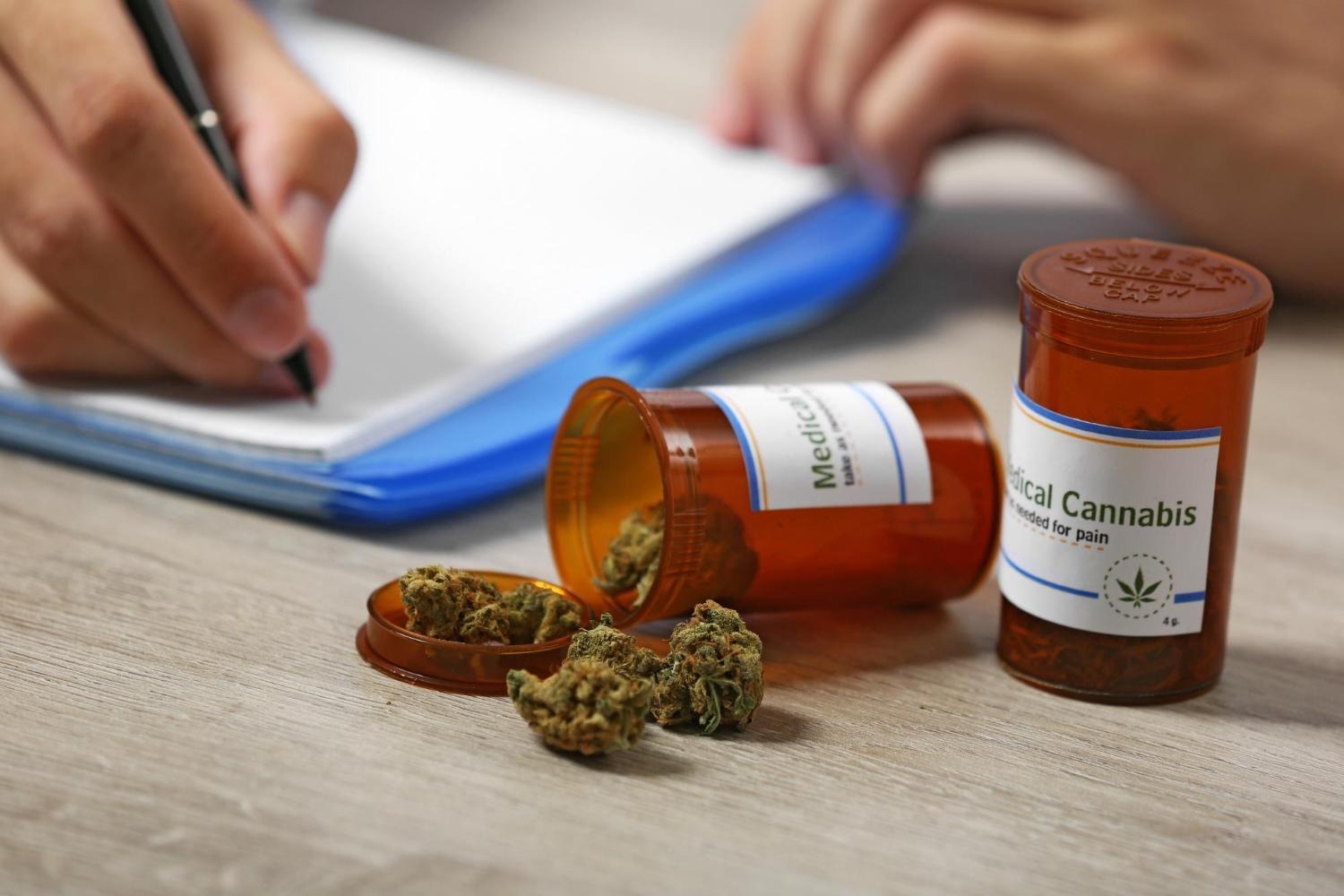
For all the attention medical cannabis has received in recent years, the reality of accessing it in the UK is far less dramatic than headlines might suggest. There are no shortcuts, no informal pathways, and certainly no instant approvals. Instead, the process is defined by structure, regulation, and a level of scrutiny that reflects its place within a cautious healthcare system.
For patients exploring this option, understanding the unembellished reality is essential. Not to discourage, but to set expectations grounded in how the system actually works.
Legal, But Not Easily Accessible
Medical cannabis has been legal in the UK since 2018, but that legal status is often misunderstood. It does not mean that access is broad or immediate. In fact, the opposite is true.
Prescriptions are tightly controlled and can only be issued by specialist doctors. General practitioners (GPs) cannot initiate treatment, and eligibility is limited to patients who meet specific criteria.
This creates a system where legality exists alongside restricted access. It is possible to obtain a prescription, but only through a clearly defined and often demanding process.
The Starting Point: Medical History Matters
The first step is not choosing a product or clinic. It is reviewing your own medical history.
To be considered for medical cannabis in the UK, patients are generally expected to:
- Have a diagnosed medical condition
- Have tried conventional treatments without sufficient success
- Be able to provide documentation of that treatment history
This is where many expectations begin to shift. Medical cannabis is not presented as an alternative to first-line treatment, but as an option considered when other approaches have not delivered the desired outcome. That distinction becomes clearer when you look closely at how medical cannabis prescription works uk, particularly in how clinics assess prior treatments and build decisions around documented clinical history rather than assumption.
The Consultation: More Assessment Than Approval
The consultation itself is often imagined as a gateway to access. In reality, it is an assessment.
Specialist doctors evaluate:
- The nature and severity of the condition
- Previous treatments and their outcomes
- Potential risks and suitability
This is not a transactional interaction. It is closer to a clinical review, where the outcome is not guaranteed.
In some cases, patients may be advised that medical cannabis is not appropriate. In others, further information or documentation may be required before a decision is made.
The process is deliberately measured, reflecting the broader regulatory environment.
Private Clinics: Access Comes at a Cost
One of the less discussed aspects of medical cannabis in the UK is that most access occurs through private clinics.
While prescriptions are technically available through the NHS, they remain limited in practice. As a result, many patients pursue treatment privately, where consultations, follow-ups, and medication are all paid out of pocket.
This introduces a financial dimension that cannot be ignored. The process is not only clinical, it is also an investment. For some, this is a manageable cost. For others, it becomes a barrier. Either way, it is part of the reality.
The Waiting and the Adjustment
Even after approval, the process does not immediately settle into routine.
Patients may need to:
- Wait for prescriptions to be issued and dispensed
- Adjust dosages over time
- Attend follow-up consultations
This period of adjustment is often overlooked in broader discussions. It is not a one-time decision, but an ongoing process that requires engagement and patience. There is no instant result, only gradual refinement.
Regulation Shapes Every Step
One of the reasons the process feels structured, sometimes rigid, is the level of regulatory oversight involved.
The General Medical Council (GMC) plays a central role in setting standards for medical practice, including how doctors prescribe treatments and assess patient suitability.
This oversight extends to cannabis-based medicinal products, reinforcing the expectation that prescribing decisions are made carefully, ethically, and in line with professional guidance.
For patients, this means that every stage, from consultation to prescription, is shaped by a framework designed to prioritise clinical responsibility and patient safety over speed.
The Gap Between Perception and Reality
Public perception of medical cannabis is often influenced by developments in other countries, where access may be broader or more commercialised.
In the UK, the system is different. It is not built around open availability, but around clinical justification.
This creates a gap between expectation and experience:
- Expectation: quick access and flexible use
- Reality: structured assessment and ongoing oversight
Understanding this gap can help patients approach the process with realistic expectations.
What the Process Doesn’t Do
Another important aspect of the “unglamorous truth” is recognising what the process is not designed to do.
It is not:
- A shortcut around conventional treatment pathways
- A guaranteed option for all conditions
- A system built for convenience
Instead, it is a regulated pathway that exists within the broader context of UK healthcare. This distinction matters. It shifts the conversation from possibility to practicality.
Why the Structure Exists
While the process can feel restrictive, it is rooted in a specific rationale.
Medical cannabis is still an evolving area of treatment. Evidence continues to develop, and regulatory bodies maintain a cautious stance to ensure that patient safety is not compromised.
This leads to a system that prioritises:
- Clinical evidence
- Specialist oversight
- Controlled access
From a patient perspective, this may feel slow. From a regulatory perspective, it is deliberate.
A Measured Path Forward
For those considering a UK cannabis prescription, the key takeaway is not whether access is possible, but how that access is structured.
The process involves:
- Documented medical history
- Specialist evaluation
- Private clinic pathways in most cases
- Ongoing monitoring and adjustment
It is not immediate, and it is not informal. But it is defined.
Clarity Over Hype
In a space where discussion is often shaped by assumptions, clarity becomes more valuable than optimism. The unglamorous truth is not a negative one. It is simply a realistic one.
Medical cannabis in the UK is accessible, but within boundaries. It is available, but not without effort. And it is regulated, not simplified. For patients, understanding this from the outset can make the difference between frustration and informed decision-making.
Because in the end, the process is not about speed or ease. It is about navigating a system that, for better or worse, is built on caution, structure, and careful consideration.