

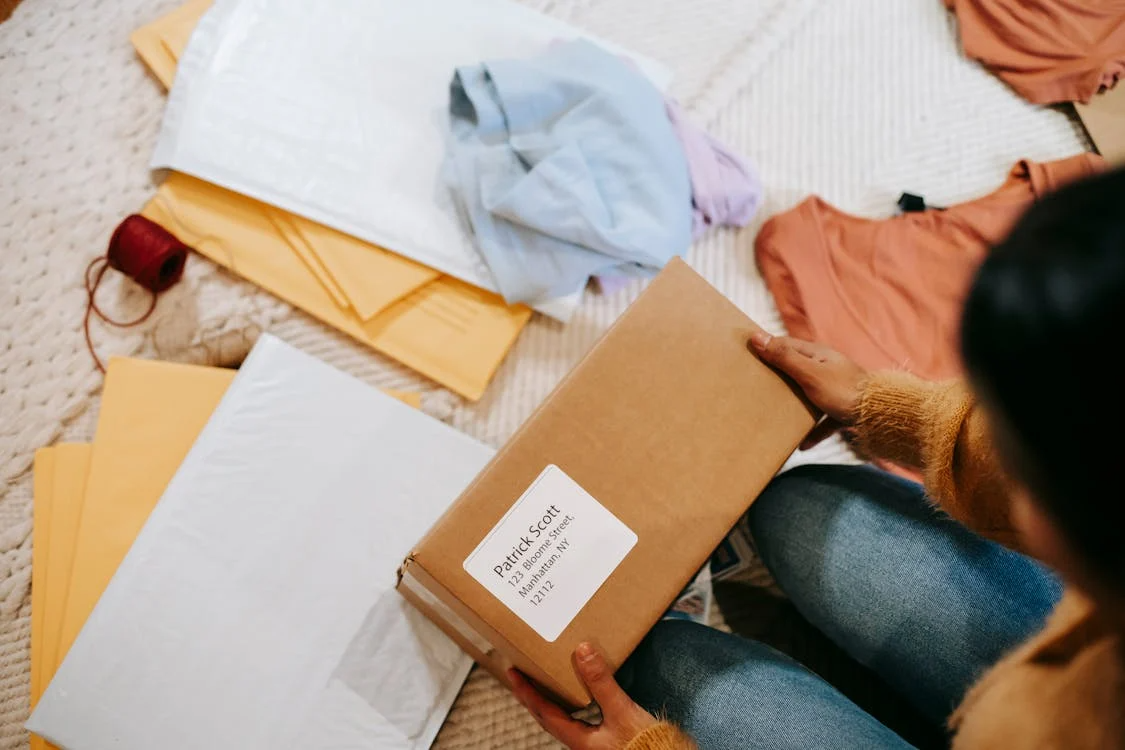
Sending your first parcel overseas can feel confusing because of forms, labels, weight checks, and delivery details. Many first-time senders worry about what to fill in, when to complete documents, and whether anything might be rejected at customs.
One way to make this easier is to prepare the shipment digitally with Meest-America. On the website https://us.meest.com/ senders can create parcel details, print labels, and track delivery in a single place. Handling this step online removes the uncertainty of handwritten forms and prevents repeated corrections later.
Making Sense of What Actually Needs To Be Filled In
When looking at international forms for the first time, the wording often looks more complex than it is. Most documentation exists for three reasons: knowing what is inside, knowing where it is going, and confirming who is sending it. Once those three areas are completed, the process is much more straightforward.
People often hesitate because they expect detailed declarations, when in reality most parcels require only a short description of the contents. Items such as clothing, stationery, accessories, personal gifts, or printed products are processed easily and do not require extra documentation beyond standard fields.
Before typing anything into the form, it helps to gather three things: a full recipient address with postal code, a simple description of what is being sent, and the return address. Once those are prepared, filling in the form takes a few minutes.
How To Fill Information Correctly the First Time
Completing forms becomes predictable when you follow a consistent order. Many senders make fewer mistakes when they enter information in stages rather than jumping between fields. A simple routine that works well:
- Enter the recipient’s full name exactly as they expect to receive it.
- Type the full address, including apartment or house number.
- Add a clear item description, such as “2 T-shirts” or “notepad and bookmark”.
- Enter the sender’s details for return purposes.
Once these four parts are in place, the remaining fields — weight, declared value, and contact information — become easy to complete. When packaging is already sealed and measured, additional corrections are less likely.
After completing the form, reviewing everything once prevents repeated printing or label replacements.
Packaging Without Making the Forms Harder
One mistake first-time senders make is packing the parcel before deciding what to declare. If items are mixed or loosely placed inside the box, it becomes harder to describe them clearly. Packing separate items individually makes the description easier and prevents movement during transit.
A compact box is always easier to label, store, and measure. When the size and weight stay moderate, the shipment falls into common processing categories and travels faster.
How Digital Tracking Reduces Second-Guessing
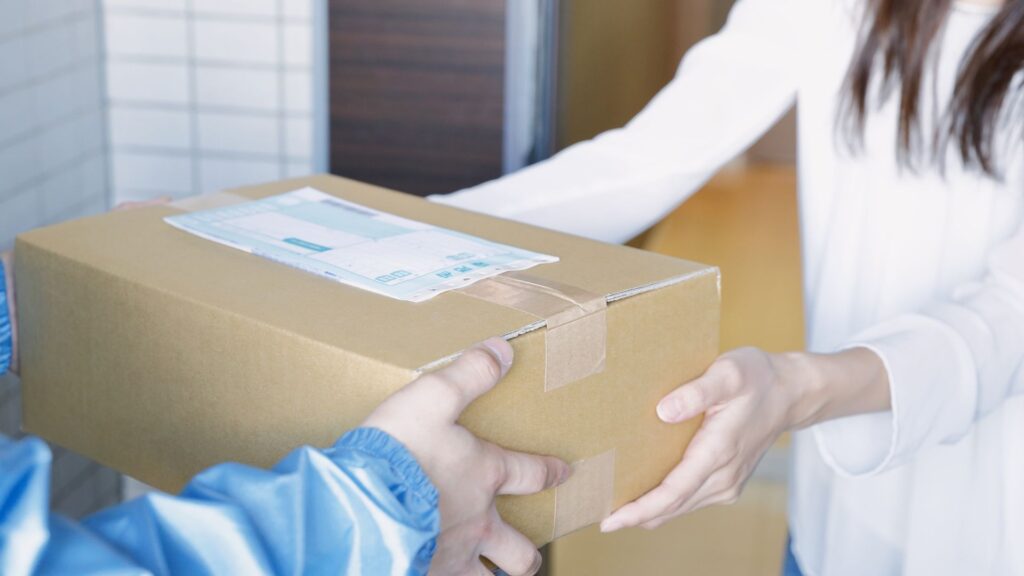
First-time senders often worry most after handing over the parcel, because nothing visible happens for a few days. Tracking solves that uncertainty. When the parcel moves from the pickup location to the sorting centre, the status updates show that the shipment is active — not lost, not ignored.
For personal items or gifts, tracking provides clarity without needing to message the recipient. It also allows senders to estimate arrival timing by checking previous updates.
A predictable delivery path helps first-time senders understand how long international transport usually takes, which becomes useful for future shipments.
Final Thoughts
Sending your first international parcel becomes manageable when information is entered correctly, the packaging fits the content, and forms are completed digitally. People often choose Meest-America because they can finalise shipment details online, track progress, and avoid rewriting labels.
This approach helps new senders focus on what matters — the contents of the parcel — rather than correcting paperwork later. When the routine is clear once, every further shipment feels easier, and international delivery becomes familiar rather than complicated.