
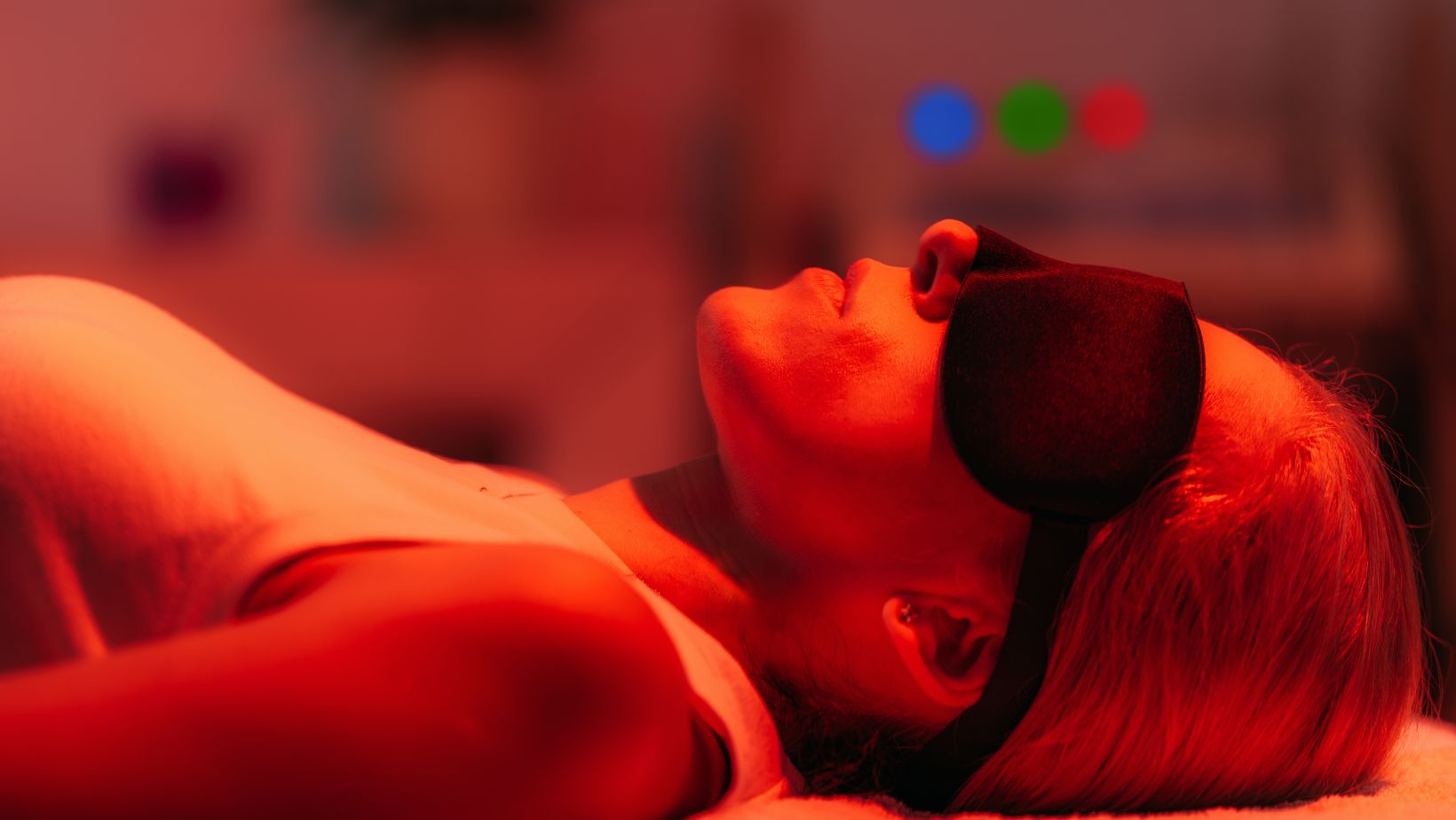
Wellness trends come and go, but occasionally something arrives that is backed by enough science and practical results to justify genuine attention. Red light therapy is one of those things. It has moved from fringe biohacking circles into mainstream health conversations, and for good reason. The evidence base is growing, the technology has become increasingly affordable, and the results people are reporting at home are hard to ignore.
For Australians looking to explore this technology, StreamShop Australia offers one of the most accessible entry points available. Their range of red light therapy australia devices spans everything from targeted handheld tools and facial panels to full-body systems, covering the full spectrum of use cases from skin health and pain relief through to hair regrowth and sleep support. For those interested in more advanced phototherapy, StreamShop Australia also carries a curated selection of laser light therapy devices, including laser masks and laser hair growth helmets that use focused wavelengths for precision treatment.
What Is Red Light Therapy?
Red light therapy, known in scientific literature as photobiomodulation (PBM) or low-level laser therapy (LLLT), is a treatment that uses specific wavelengths of light to penetrate the skin and stimulate cellular activity. The wavelengths most commonly used fall between 630nm and 850nm, covering both visible red light and invisible near-infrared light.
At the cellular level, these wavelengths interact with a photoreceptor enzyme called cytochrome c oxidase, which sits within the mitochondria. This interaction stimulates the mitochondria to produce more adenosine triphosphate (ATP), the molecule that powers virtually every biological process in the body. The downstream effects of this energy boost include reduced oxidative stress, decreased inflammation, improved blood flow, and accelerated tissue repair.
It is a passive process. You do not feel heat, you do not feel pain, and there is no recovery time. You simply sit or stand near the device for a set period and let the light do its work.
The Science Behind It
The scientific foundation for red light therapy is more substantial than many people realise. NASA originally studied low-level red light in the 1990s to investigate wound healing in space environments, and the research has expanded dramatically since then. There are now thousands of peer-reviewed studies examining photobiomodulation across a wide range of applications.
Some of the most well-documented findings include:
- Collagen stimulation: Multiple randomised controlled trials have shown that red light therapy increases fibroblast activity and collagen production in the skin, leading to measurable improvements in skin elasticity, texture, and the appearance of fine lines.
- Inflammation reduction: Studies in both clinical and animal models have consistently demonstrated that photobiomodulation reduces markers of inflammation, including pro-inflammatory cytokines. This underpins its applications in pain management and recovery.
- Hair regrowth: A number of clinical trials have found statistically significant improvements in hair density and thickness in participants using low-level laser therapy for androgenetic alopecia, the most common form of hair loss in both men and women.
- Wound healing: Research across surgical, diabetic, and sports injury contexts has found that red and near-infrared light accelerates the healing of both acute and chronic wounds by stimulating cellular proliferation and vascularisation.
- Neurological effects: Emerging research is exploring transcranial photobiomodulation, the application of near-infrared light to the head, for cognitive performance, mood regulation, and neuroprotection, though this field is still developing.
It is worth noting that not all studies are equal, and the field is not without its debates. Dosing protocols, device quality, and treatment parameters vary significantly across studies, which makes direct comparisons difficult. However, the overall body of evidence is positive enough that red light therapy is now used in a wide range of clinical settings, from dermatology to sports medicine to physiotherapy.
Red Light vs Near-Infrared: What Is the Difference?
One of the most common points of confusion for people new to this technology is the distinction between red light and near-infrared light. Both are used in photobiomodulation, but they work at different depths and are suited to different applications.
Red light (630 to 660nm) is visible to the human eye and works primarily at the surface level of the skin. It is most effective for skin-focused applications such as collagen stimulation, acne reduction, wound healing, and improving overall complexion.
Near-infrared light (810 to 850nm) is invisible to the naked eye but penetrates several centimetres into the body, reaching muscle tissue, joints, and even bone. It is more effective for deep tissue applications such as joint pain, muscle recovery, inflammation, and neurological uses.
Most quality home devices combine both wavelengths, allowing users to benefit from both surface and deep tissue effects in a single session. Premium devices may also include additional wavelengths such as 1060nm deep infrared for even greater tissue penetration.
What Can Red Light Therapy Be Used For?
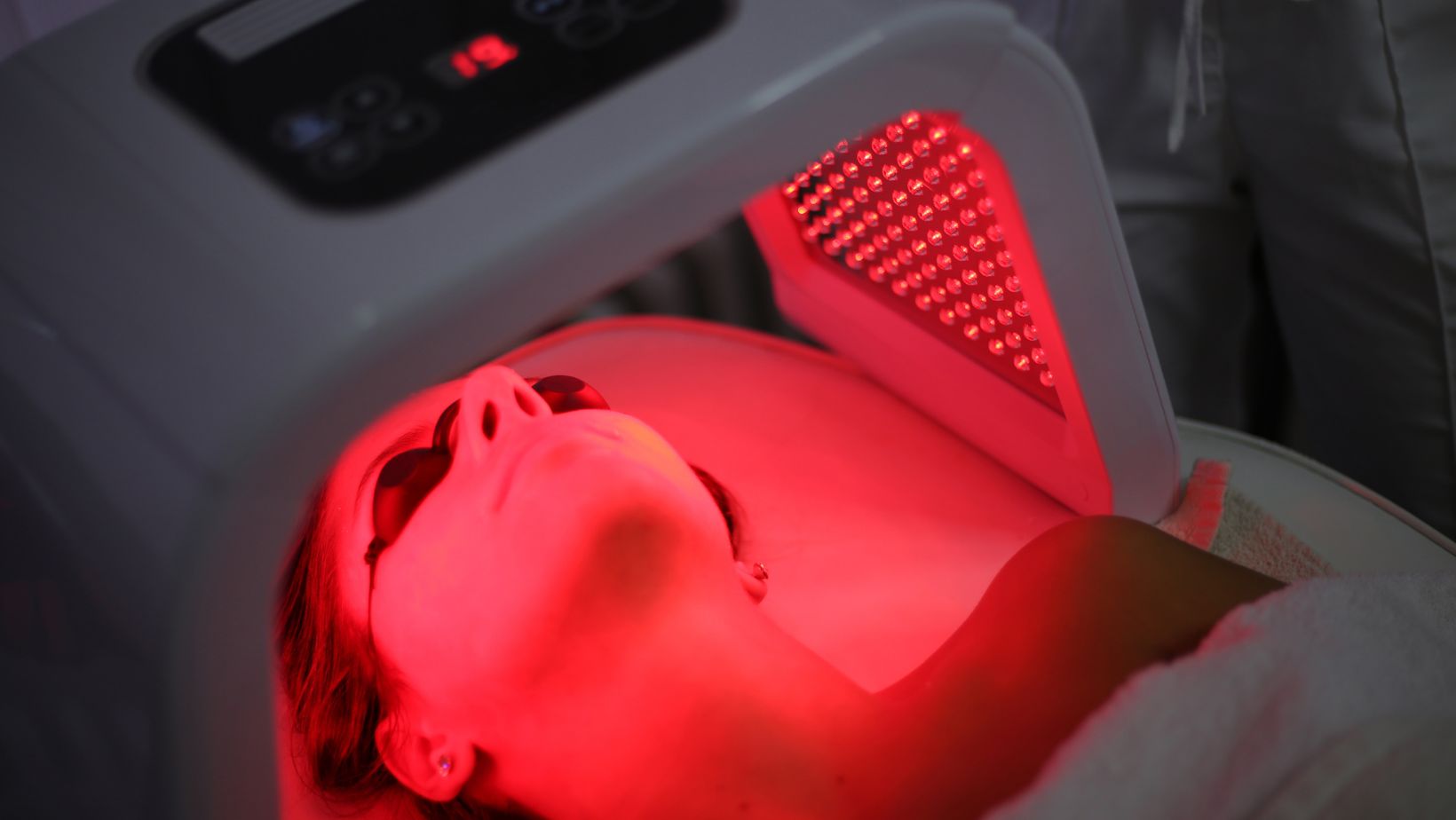
The applications of red light therapy span a surprisingly wide range of health and wellness goals. Here are some of the most common and well-supported uses:
- Skin health and anti-ageing: Stimulating collagen and elastin production to reduce fine lines, improve skin tone, and accelerate healing of blemishes and scars.
- Pain management: Reducing inflammation and improving blood flow in areas affected by chronic pain, arthritis, sports injuries, or post-surgical discomfort.
- Hair loss: Using targeted low-level laser or red light energy to stimulate follicles and support hair regrowth in cases of thinning or shedding.
- Athletic recovery: Accelerating muscle repair and reducing delayed onset muscle soreness (DOMS) after intense training sessions.
- Sleep improvement: Supporting circadian rhythm regulation through evening red light exposure, which may help reduce cortisol and promote melatonin production.
- Wound healing: Supporting the recovery of acute injuries, surgical sites, and chronic wounds by stimulating cellular regeneration.
How to Use Red Light Therapy at Home
One of the reasons red light therapy has gained such traction as a home practice is how straightforward it is to use. Unlike many clinical treatments, there is no special preparation required, no pain, and no recovery period. A typical home session looks like this:
- Position yourself at the recommended distance from your device, typically between 15 and 30 centimetres depending on the device and the area being treated.
- Expose the target area directly to the light. Clothing and even thin layers of skin cream can block or reduce the effectiveness of the light, so it is best applied to clean, bare skin.
- Session duration typically ranges from 10 to 20 minutes per area. Longer is not always better, as there is evidence of a biphasic dose response, meaning too much light can be counterproductive.
- Consistency is key. Three to five sessions per week is a commonly recommended frequency, and most people begin noticing changes within four to eight weeks of regular use.
What to Look for in a Device
The quality of devices on the market varies enormously. Here are the key specifications to evaluate before purchasing:
- Wavelength: Confirm the device emits the specific wavelengths it claims, ideally with third-party testing to verify.
- Irradiance: Measured in milliwatts per square centimetre (mW/cm2), this tells you how much energy the device delivers to your skin. Higher irradiance means shorter treatment times for equivalent dosing.
- Coverage area: Larger panels treat more surface area per session, which is more efficient for full-body or large-area protocols.
- Certifications: Look for FDA clearance or TGA approval, particularly for devices marketed as medical grade.
- Warranty and support: A quality device should come with at minimum a one to two year warranty and accessible customer support.
Is It Safe?
Red light therapy has an excellent safety profile when used as directed. It does not use UV light and does not cause burns, skin damage, or ionising radiation. The main precaution is eye protection: looking directly into a powerful LED panel is not recommended, and quality devices include protective eyewear for this reason.
There are a small number of contraindications worth being aware of. People taking photosensitising medications should consult a healthcare professional before starting. Those with active cancer, particularly skin cancer, should also seek medical advice, as the effect of photobiomodulation on tumour cells is not fully understood. Pregnant women are generally advised to avoid using devices over the abdomen until more research is available.
For the vast majority of healthy adults, however, red light therapy is considered safe for regular home use.
The Bottom Line
Red light therapy is not a miracle cure, but it is a genuinely well-researched wellness tool with a broad and growing evidence base. For anyone dealing with skin concerns, chronic pain, hair thinning, slow recovery, or disrupted sleep, it is worth serious consideration as part of a broader health routine.
The technology has matured to the point where high-quality, clinically informed devices are available at accessible price points for home use, without the need for ongoing clinic visits. As with any health investment, the key is choosing a reputable device, using it consistently, and being patient enough to allow the cumulative effects to develop over several weeks.
For Australians ready to explore what red light therapy can do, StreamShop Australia is a well-stocked, locally supported starting point with a range broad enough to suit most goals and budgets.