

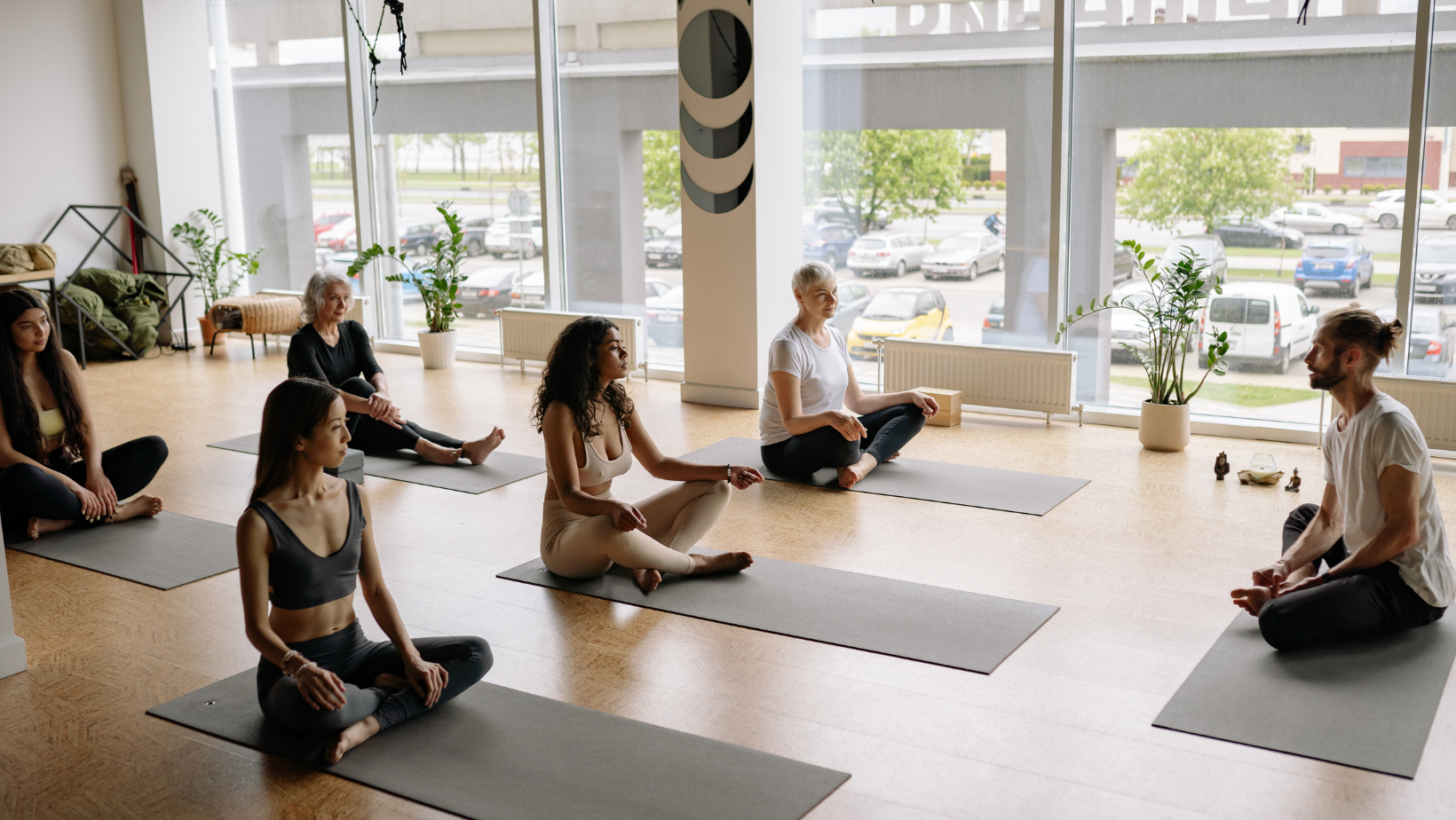
Modern wellness isn’t being built only in gyms or on strict meal plans. It’s being reshaped in quiet, repeatable moments, how you start your morning, how you reset between tasks, and how you make downtime feel restorative instead of just “time off.” These rituals are getting simpler on purpose. People want routines that feel doable on busy days, not routines that require perfect conditions.
What’s changing most is the mindset. Wellness culture is moving away from big transformations and toward small choices that create steadier energy, calmer evenings, and a more intentional relationship with everyday life.
The new ritual mindset is about making life easier to live
A ritual isn’t just a habit you repeat; it’s a habit that signals something. A glass of water before coffee can signal “I’m taking care of myself first.” A short walk after work can signal “I’m leaving the day behind.” A five-minute tidy-up can signal “I want my space to support my brain, or simply ”I’m buying cbd gummies online because I want to relax a bit.”
The reason this approach is growing is simple: it reduces decision fatigue. Instead of thinking through wellness from scratch every day, you create a few defaults that help you feel better without needing motivation to show up first.
Why objects are becoming part of self-care again
There’s also a renewed appreciation for the physical environment, especially the objects you touch every day. If you spend more time at home or work in a hybrid way, your surroundings matter more. Lighting, textures, and the feel of what you use can either increase stress subtly or create a sense of calm.
At the same time, there’s a growing appreciation for well-designed objects that elevate personal downtime, with brands like VITAE Glass focusing on craftsmanship and modular design to enhance how people interact with their everyday lifestyle products.
“Unwinding” is being redefined as recovery, not escape
A big shift in wellness culture is that rest is being treated as skill-building rather than a guilty break. People are designing wind-down rituals that actually help them recover: lowering stimulation, reducing screen intensity, and making evenings feel slower.
This is also why routines are getting more sensory. Tea rituals, warm showers, softer music, intentional lighting, and a clean surface for reading or journaling are popular because they help your nervous system downshift. They don’t require a subscription, and they don’t rely on willpower. They rely on the environment and repetition.
The rise of micro-resets during the day
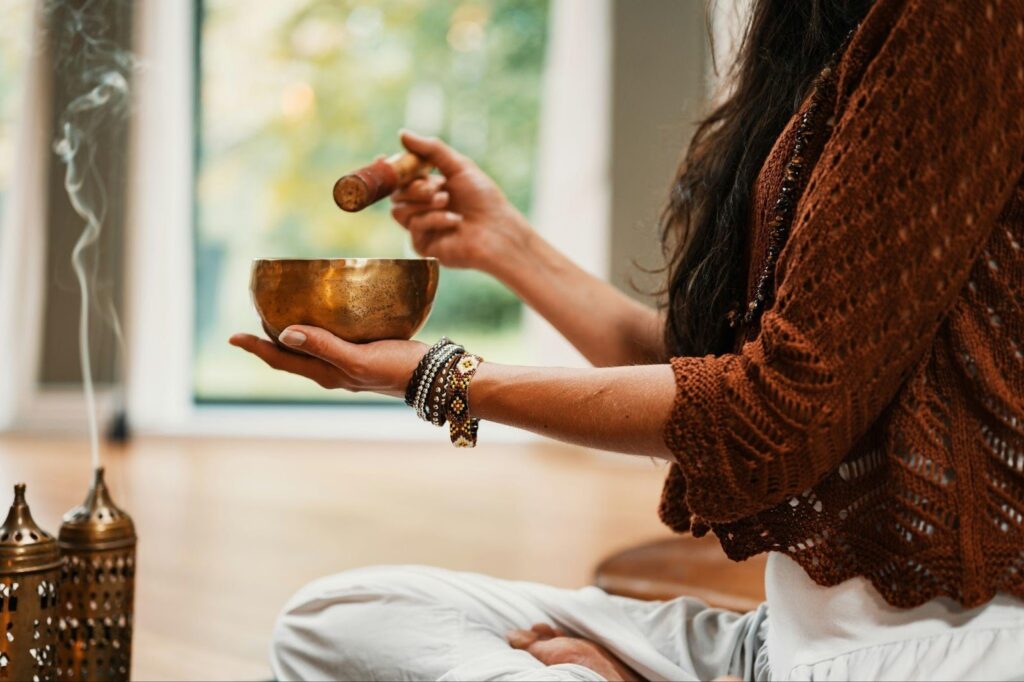
Wellness rituals aren’t only about bedtime now. More people build tiny resets into the middle of the day to avoid hitting a wall later. A micro-reset can be as small as standing up and stretching, stepping outside for two minutes, or doing a quick “close tabs and breathe” pause before switching tasks.
These micro-resets work because they interrupt the build-up of stress and tension. They’re like clearing a browser cache for your brain. You don’t need a full wellness routine at noon; you need something short that stops your day from spiraling into constant urgency.
Why simple rituals feel more “modern” than complicated routines
Part of what makes today’s wellness culture feel different is that it’s less performative. People are less interested in routines that look impressive and more interested in routines that hold up in real life. If you can’t maintain it during a busy week, it’s not a ritual, it’s a temporary project.
That’s why the most lasting wellness habits often look almost boring: consistent sleep timing, steady hydration, a small movement habit, a calmer evening routine, and a home environment that supports focus. The modern twist is the intention behind it. People are choosing these rituals not because they’re trendy, but because they reduce friction.
A practical takeaway
Small rituals work when they’re specific, easy to repeat, and anchored to moments you already have, morning, mid-day, evening. The more your environment supports the ritual, the less effort it takes to keep it going.