

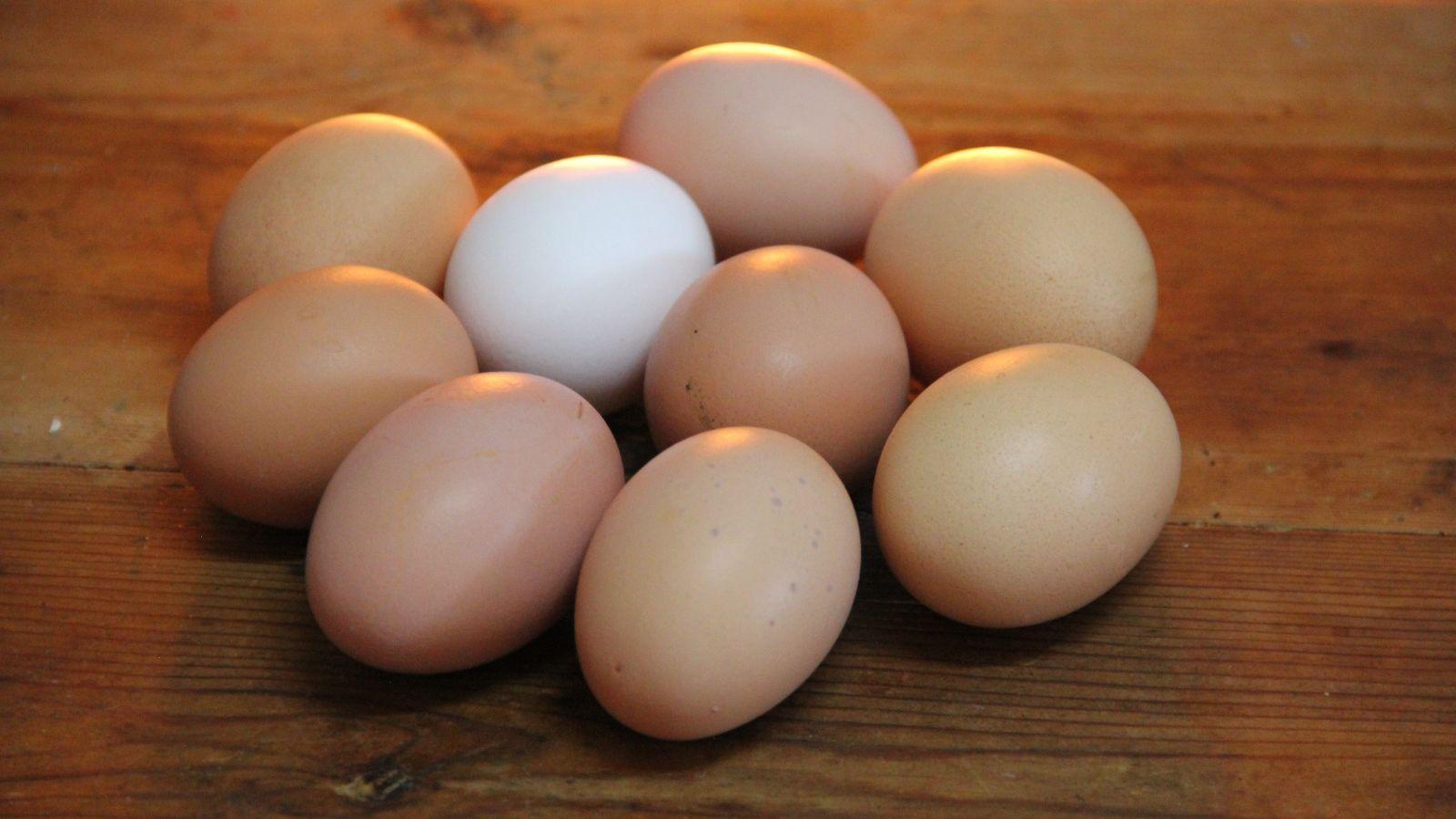
The pasture raised egg category has grown at a pace that has surprised most grocery analysts. Five years ago the category was a specialty shelf item in premium grocers; in 2026 it has meaningful penetration in mainstream households, particularly among shoppers who have signed up for a weekly grocery delivery box. The combination of direct to consumer logistics, transparent producer information, and relatively stable pricing has turned a niche product into a habitual purchase.
Key points
- Pasture raised eggs are distinct from cage free and free range because they require a minimum outdoor space standard per bird, which materially changes the flavour and nutrient profile.
- Direct to consumer grocery services have been the primary growth channel for the category in the last three years.
- Household spend on pasture raised eggs is higher than on conventional eggs, but the gap has narrowed as scale has improved across the supply chain.
What the labels actually mean
The egg aisle has layered claims that can be hard to parse. Cage free means birds are not confined to a cage but may still live in a large barn. Free range means the birds have some access to the outdoors, though the definition of access varies. Pasture raised has the strictest standard, typically requiring one hundred and eight square feet per bird and daily outdoor time in a rotating field system. Households that care about animal welfare or nutrient density tend to settle on the pasture raised tier once they understand the distinctions.
Why direct to consumer suits the category
Eggs are heavy, fragile, and time sensitive, which historically made them a poor fit for mail order. That changed when grocery delivery services moved to cold chain logistics and added local sourcing networks. The result is a shopping experience where a household can order pasture raised eggs delivery alongside the rest of a weekly order, with carton quality arriving at least as well as it would through a supermarket run.
Cost and frequency patterns
Households that switch to pasture raised eggs typically spend two to three times more per dozen than they would on conventional eggs. The frequency of purchase tends to stay roughly the same, because households adjust their grocery budget rather than reduce egg consumption. Over a year the difference is real but not dramatic, and the spend usually comes out of other grocery categories rather than a net budget increase.
Conclusion
The growth of the pasture raised egg category is a good example of how direct to consumer logistics can change the economics of a specialty food category. Shoppers who care about welfare, flavour, and transparency now have a reliable way to make pasture raised eggs a weekly habit rather than an occasional treat, and the supply chain has matured to the point where that habit is sustainable across most of the country.