

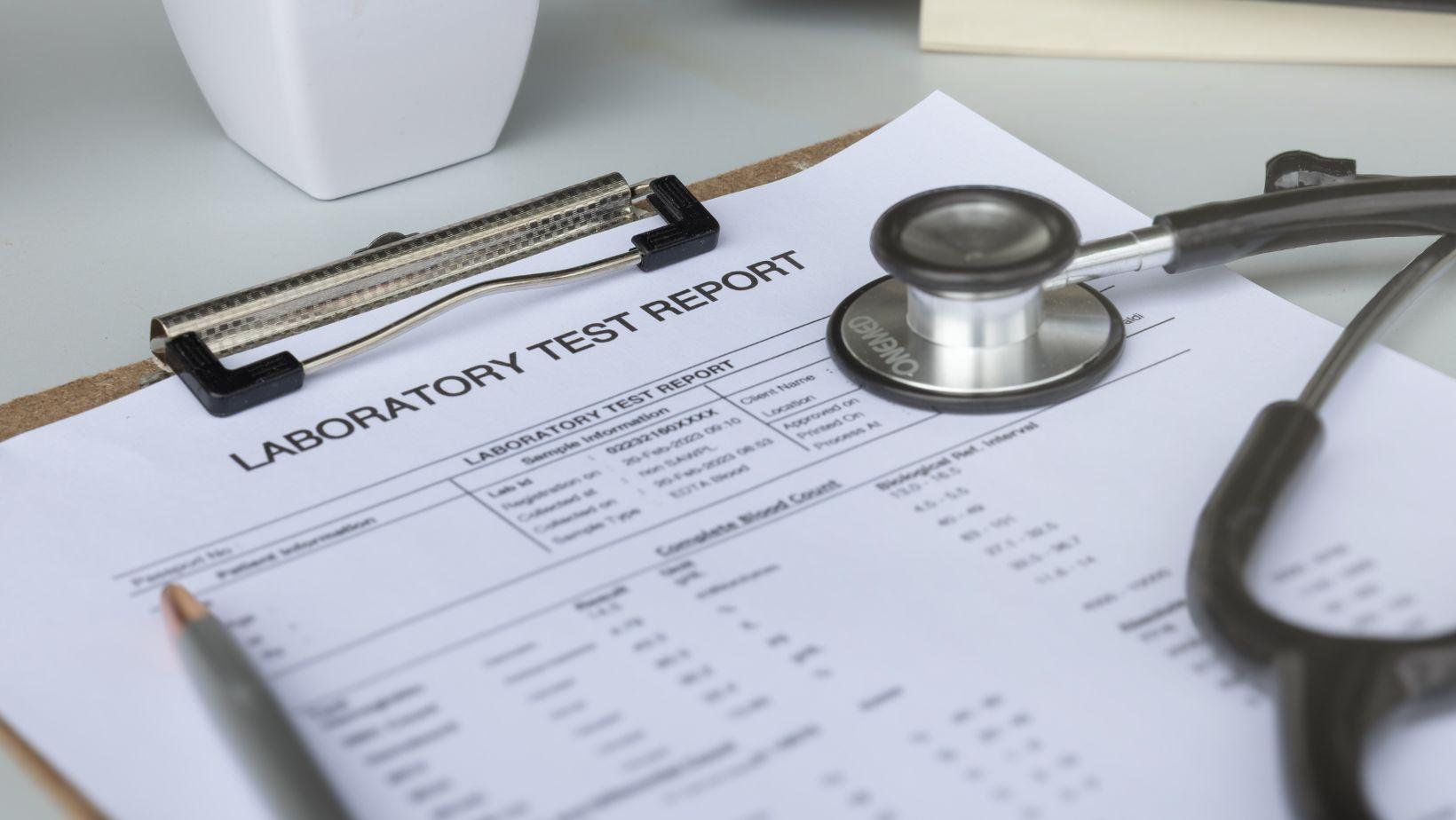
A driver with acid reflux, diabetes, or a respiratory condition may wonder whether a breath test reflects the full medical picture. Certain health conditions can affect breathing patterns, mouth alcohol levels, or compounds present in exhaled air. These details may become important when a DUI case in Cocoa Beach involves an unexpected breath test result.
Anyone researching what happens if you refuse a breath test in Cocoa Beach should also recognize that refusal and test accuracy involve separate legal questions. A refusal may trigger specific consequences, while a completed test may require review of medical records, device procedures, and officer observations. Careful analysis can help determine whether a health condition played a meaningful role in the reported result.
Medical Conditions That May Influence Breath Test Results
Certain health conditions may affect breathing patterns, introduce compounds into exhaled air, or increase the possibility of residual alcohol in the mouth. The NIDDK estimates that about 20% of people in the United States have gastroesophageal reflux disease, which can cause stomach contents to return to the throat or mouth. A medical diagnosis does not automatically invalidate a breath result, but it may support a closer review of the testing process and surrounding evidence.
|
Medical Condition |
Possible Relevance To Breath Testing |
Evidence That May Require Review |
|
GERD Or Acid Reflux |
Regurgitation may introduce residual alcohol into the mouth before a sample |
Medical history, officer observations, and observation-period records |
|
Diabetes With Elevated Ketones |
Ketone production may place compounds such as acetone in exhaled breath |
Glucose records, ketone test results, and device specifications |
|
Asthma |
Restricted airflow may affect the ability to provide a continuous sample |
Inhaler use, breathing symptoms, and test-attempt records |
|
COPD |
Reduced lung capacity may limit breath duration or volume |
Respiratory records, device messages, and officer notes |
|
Recent Vomiting |
Mouth contamination may occur shortly before the test |
Timing records, witness observations, and test restart documentation |
Common Examples
- Gastroesophageal reflux disease (GERD)
- Acid reflux
- Diabetes that produces elevated ketone levels
- Certain respiratory conditions that affect breathing patterns
- Recent vomiting or frequent acid regurgitation
Medical Records Can Provide Helpful Context
The CDC estimates that 40.1 million people in the United States had diagnosed or undiagnosed diabetes in 2023. Certain diabetes-related complications can produce ketones, including acetone, that become present in a person’s breath. Medical records, blood test results, and device-specific information may help determine whether this condition deserves further examination.
Questions about what happens if you refuse a breath test in Cocoa Beach may arise alongside concerns about medical conditions, but the legal analysis remains different for both issues. A refusal generally involves implied consent laws, while disputed breath test results may require careful review of health conditions, testing procedures, witness observations, and available records before legal conclusions are reached.
Challenge Breath Test Evidence With Legal Support in Cocoa Beach
A DUI defense lawyer can review medical records, breath test procedures, officer observations, and available evidence to determine whether a health condition may have affected the reported result. Careful case preparation helps identify procedural issues and medical facts that deserve legal consideration. Early legal evaluation also helps preserve relevant evidence that may support the defense throughout the case.
Medical conditions do not automatically invalidate a breath test, but they can become an important part of the overall legal analysis. Accurate case evaluation depends on the specific facts, medical documentation, and the procedures followed during the investigation. A thorough review of every detail helps ensure that breath test evidence receives proper legal scrutiny.