

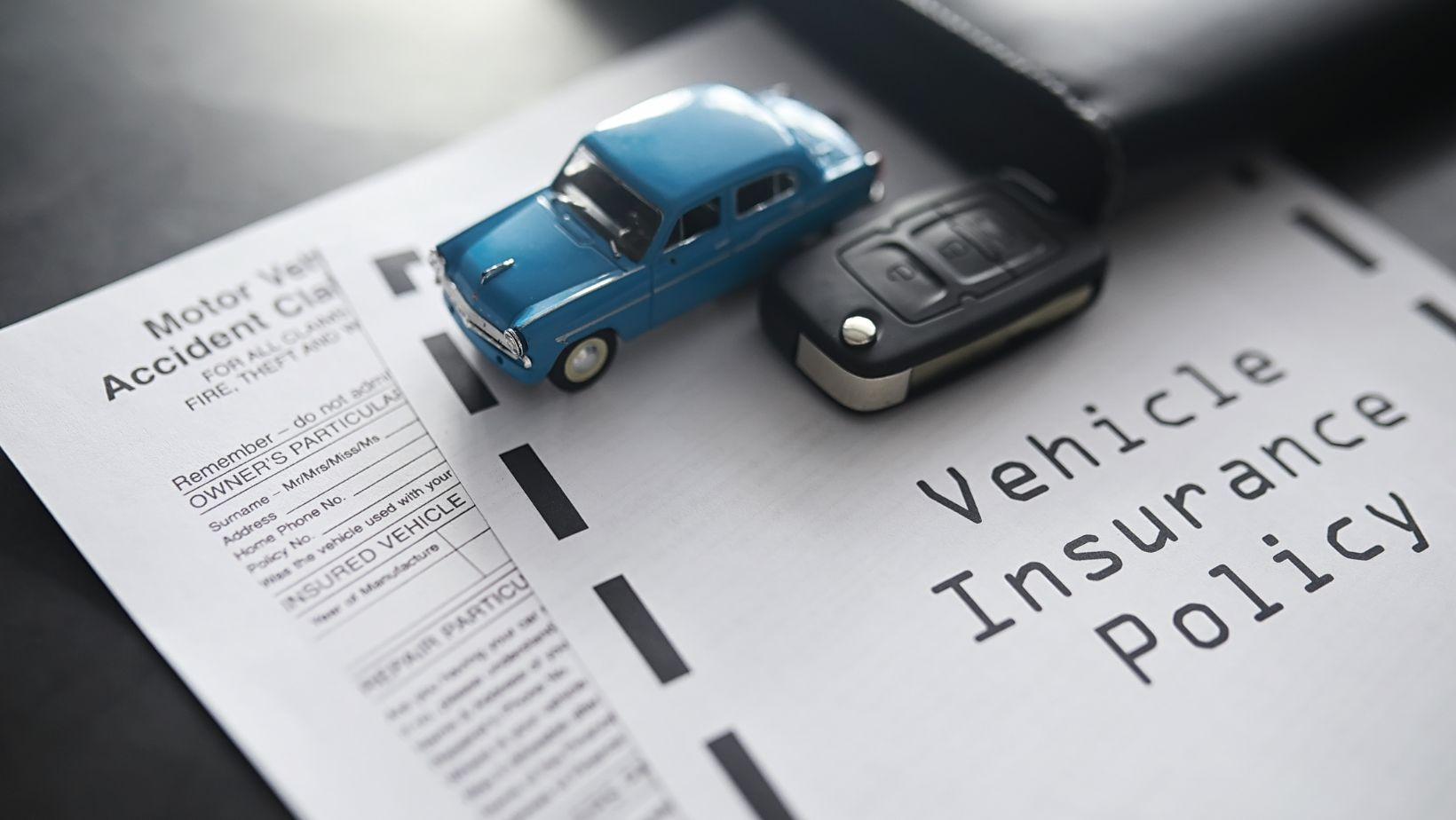
The moment a business starts using a vehicle for work, the insurance picture quietly changes, and most owners do not notice until something goes wrong. A contractor bolts a ladder rack to a pickup, a bakery buys a used van for deliveries, an office manager runs to the supply store twice a week, and in each case the driving has shifted from personal errands to commercial activity.
That shift tends to surface at the worst possible time, after a crash, when an adjuster asks what the vehicle was doing when it was hit. If the answer involves work, a personal insurer may reduce what it pays or deny the claim outright, leaving the business with repair bills, medical costs, and possibly a lawsuit.
Commercial auto insurance is less complicated than its name suggests, and a few core ideas are usually enough for an owner to hold a productive conversation with an agent instead of nodding along.
When Business Driving Becomes a Different Risk
Insurers price risk based on how a vehicle is actually used, not on what it looks like in the driveway. A sedan that carries a real estate agent to four showings a day racks up more miles, more unfamiliar streets, and more time in traffic than the same sedan used only to commute. Higher exposure means a higher chance of a claim, and a commercial policy is built to price and absorb that difference rather than pretend it away.
Ownership matters too. A vehicle titled to the business, financed by the business, or carrying company signage almost always belongs on a commercial policy. Routine vehicle care still keeps that exposure manageable, and the same basic maintenance habits that protect a family car protect a work truck, though the stakes rise because downtime costs revenue.
Coverage Types Most Policies Are Built Around
Liability is the backbone of a commercial auto policy. It pays when a business vehicle injures someone or damages their property, and it covers legal defense when a claim turns into a lawsuit. Limits are the part owners tend to underthink, since a low limit looks affordable until one serious injury claim exceeds it and the business pays the remainder from its own accounts.
Physical damage coverage, usually split into collision and comprehensive, handles the business's own vehicle. Collision responds to crashes, while comprehensive responds to theft, fire, hail, vandalism, and falling objects. Whether both make sense depends on what the vehicle is worth and whether a lender requires them. Add medical payments, uninsured motorist coverage, and hired and non-owned auto coverage for employees who drive their own cars on company errands, and most small fleets end up reasonably well fenced in.
Employee Drivers and the Records Behind Them
Every person authorized to drive a company vehicle is an extension of the company's risk. Insurers ask for a driver list, pull motor vehicle records, and price accordingly, so one driver with a poor record can move the premium for an entire fleet. Keeping that list current is unglamorous work that pays for itself.
The habits that reduce claims are well documented. The American Trucking Associations points to driver training, licensing standards, and hours of service as the areas where safety performance is won or lost, and that logic scales down neatly to a three-van operation. Research from the Insurance Institute for Highway Safety found that brake defects serious enough to put a truck out of service tripled its crash risk, which turns a maintenance calendar into a loss-control tool rather than a chore.
State Rules and Local Market Realities
Requirements vary by state, and Florida owners deal with a market that has its own quirks. The Florida Office of Insurance Regulation publishes consumer resources, rate comparison tools, and company searches that let a business confirm an insurer is actually authorized before anyone signs anything. That check takes a few minutes and occasionally prevents a very bad year.
Working with an agent who knows the local market usually helps more than comparison shopping alone, because a business with a mixed fleet, seasonal drivers, or interstate routes rarely fits a template. Owners weighing commercial auto insurance florida options get further by describing how the business actually operates than by asking for the cheapest quote available.
None of this asks an owner to become an insurance expert. It asks for a working grasp of four things: business use changes the risk, liability limits deserve real thought, drivers and vehicles both need documenting, and state rules set a floor rather than a ceiling.
The cheapest version of this lesson is the one learned before a claim. An annual review of who drives what, which vehicles the business owns, and whether the limits still match the operation takes an afternoon and usually surfaces at least one gap. Businesses grow faster than their policies do, and the policy is usually the last thing anyone thinks to update.
Start with an honest inventory, bring it to an agent, and ask what a worst-case claim would look like under the coverage in force today. The answer is either reassuring or clarifying, and either way it beats hearing it from an adjuster.