

A Peninsula of Contrasting Landscapes
The Iberian Peninsula offers an extraordinary range of scenery within a relatively compact part of Europe. Atlantic beaches, Mediterranean coves, rolling vineyards, dry plains and forested hills all form part of the landscape, while centuries of cultural exchange have left their mark on the region’s architecture, food and traditions.
Portugal and Spain share a peninsula, but each has developed a distinctive character. Portugal’s Atlantic orientation has influenced its maritime history, tiled architecture and coastal cuisine, while Spain encompasses a remarkable collection of regional identities, from Andalusia and Catalonia to Galicia and the Basque Country.
Travelling between the two countries can therefore feel less like following a single cultural route and more like discovering a series of interconnected worlds.
Lisbon Between River and Ocean
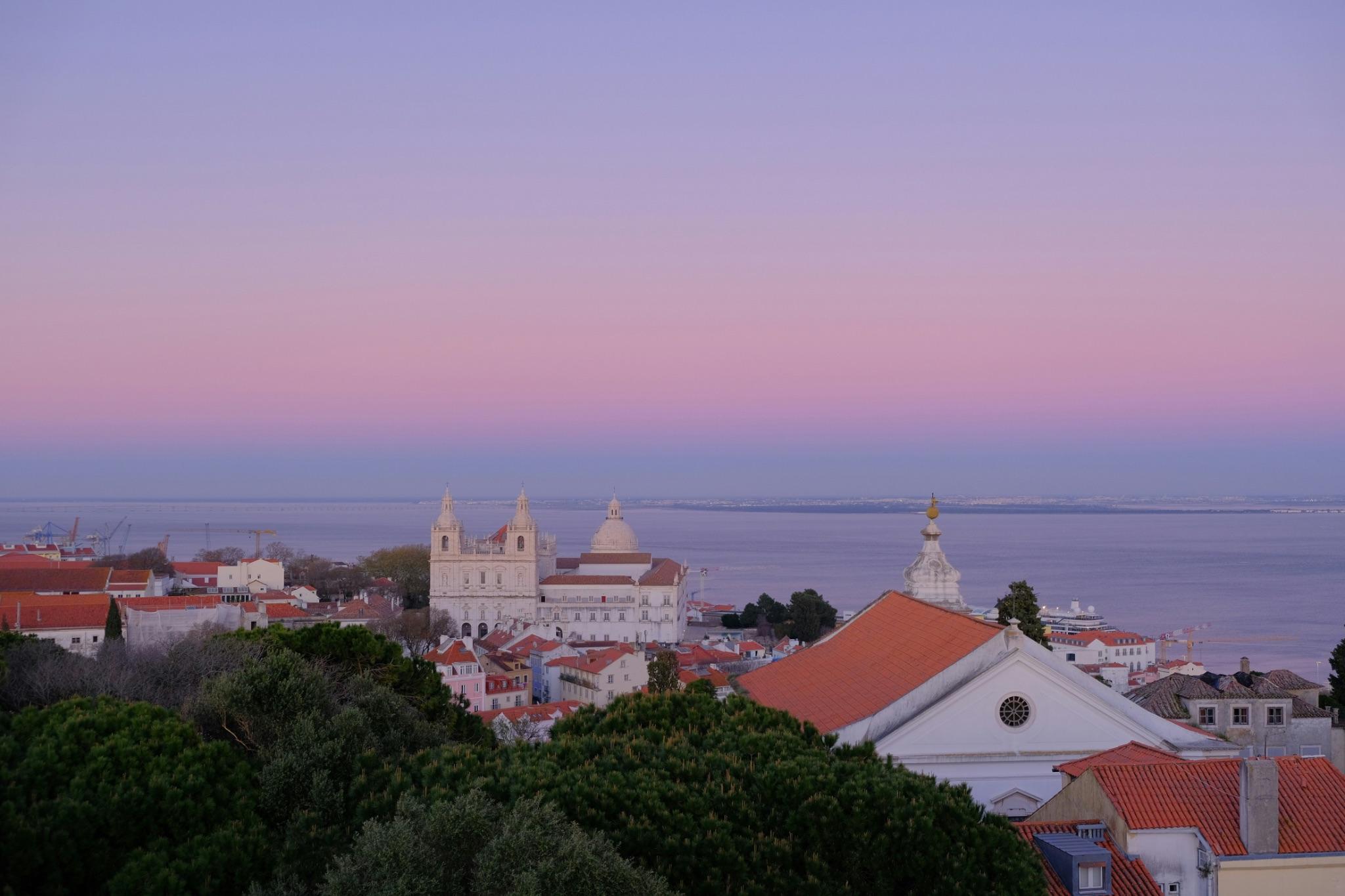
Lisbon is an ideal introduction to Portugal, particularly for visitors interested in architecture and maritime history. The city rises across a series of hills beside the broad Tagus estuary, creating viewpoints that reveal terracotta rooftops, church domes and the river beyond.
The Alfama district contains some of the city’s oldest streets. Narrow lanes climb between whitewashed houses, small squares and traditional restaurants, while washing hangs from balconies above the cobbled pavements.
Belém tells a different story. The district is closely associated with Portugal’s Age of Discoveries, when ships departed from the Tagus on voyages that transformed European trade and connected Portugal with distant parts of the world.
The Jerónimos Monastery and Belém Tower remain two of the area’s most important monuments. Both display the elaborate Manueline style, characterised by maritime motifs and intricate stone decoration.
Portugal’s Atlantic Personality
For travellers considering tours to Portugal, the country’s coastline provides plenty of opportunities to move beyond the capital.
The Algarve is famous for its dramatic cliffs, sandy beaches and sheltered coves. Towns such as Lagos and Tavira offer different perspectives on the region, with Lagos combining historic streets and rugged coastline while Tavira retains a quieter atmosphere around the Gilão River.
Further north, the character of the Atlantic coast changes. Porto sits beside the Douro River, with steep streets descending towards the historic waterfront.
The city is strongly associated with port wine, which has been produced in the Douro Valley and traditionally stored in cellars around Vila Nova de Gaia.
Porto’s architecture is another attraction. Colourful façades, tiled churches and iron bridges create a distinctive visual identity, particularly around the Ribeira district.
Andalusia’s Moorish Heritage
Crossing into southern Spain introduces a landscape where Islamic and Christian histories are particularly visible side by side.
Andalusia was shaped profoundly by Al-Andalus, the Muslim-ruled territories that existed across much of the Iberian Peninsula for several centuries. Their influence remains visible in architecture, gardens, decorative arts and aspects of regional vocabulary.
Seville provides an excellent starting point. The Alcázar combines courtyards, fountains and ornate decoration developed across different periods, while the Giralda tower reflects the city’s Islamic architectural heritage.
The historic centre is best explored on foot. Orange trees line many squares, and narrow lanes lead towards small plazas where cafés and restaurants occupy traditional buildings.
Seville’s atmosphere changes considerably throughout the day, with the hottest afternoon hours often giving way to lively evenings when residents return to the streets.
Córdoba’s Extraordinary Mosque-Cathedral
Córdoba contains one of the peninsula’s most remarkable architectural monuments. The Mezquita-Catedral developed from a major mosque into a Christian cathedral following the Christian conquest of the city.
Its interior is famous for its forest of arches, where alternating red and pale stone creates a rhythmic visual effect.
The surrounding old quarter adds another dimension. Whitewashed houses, flower-filled courtyards and narrow lanes reflect architectural traditions adapted to the hot Andalusian climate.
During spring, Córdoba’s patios become particularly celebrated. Residents open decorated courtyards to visitors, displaying flowers, fountains and carefully maintained plants.
The result is an intimate expression of local culture that differs from the monumental scale of the city’s major religious building.
Granada Beneath the Sierra Nevada
Granada offers perhaps the clearest encounter with Spain’s Moorish past. The Alhambra occupies a hillside overlooking the city, surrounded by gardens and with the Sierra Nevada visible beyond.
The palace complex contains courtyards, fountains, carved plasterwork and geometric decoration that demonstrate the sophistication of Nasrid architecture.
The Generalife gardens provide a more relaxed setting, with water channels, terraces and flowering plants arranged around views towards Granada.
Below the Alhambra, the Albaicín neighbourhood retains narrow streets and whitewashed houses. From its elevated viewpoints, visitors can look back towards the palace complex and the mountains.
Granada also has a strong contemporary identity. University students, local residents and visitors contribute to an energetic atmosphere, while tapas remain an important part of the city’s social life.
Madrid’s Grand Scale
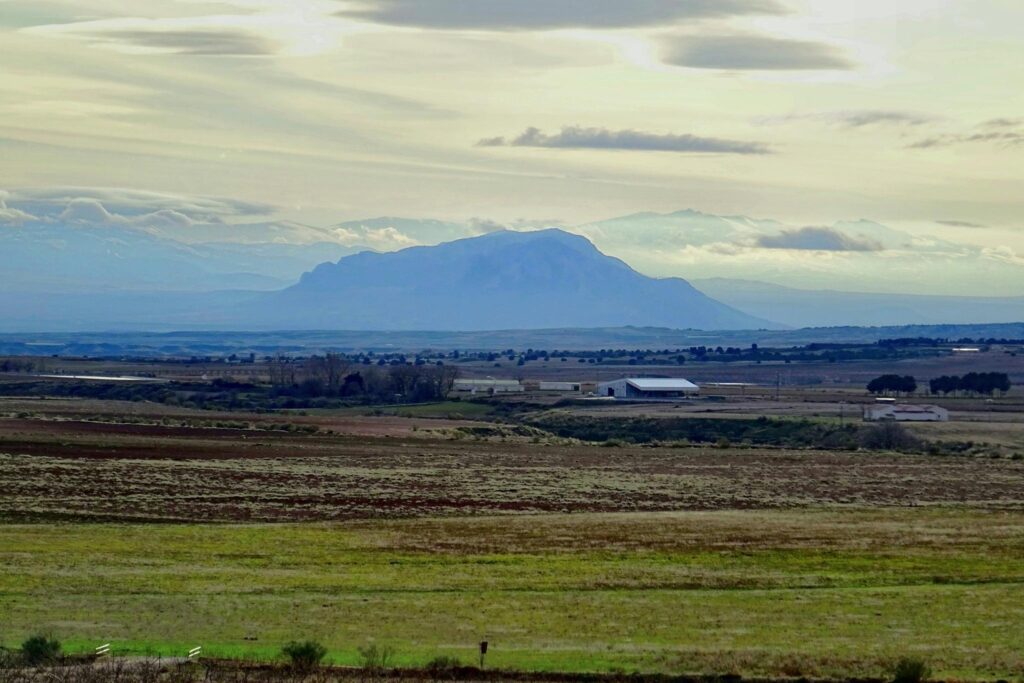
Moving north brings a significant change in both climate and urban character. Madrid occupies Spain’s central plateau and has developed as a capital with broad avenues, monumental squares and major cultural institutions.
The Prado Museum houses an extraordinary collection of European art, including important works by Velázquez, Goya and El Greco.
The Royal Palace provides another insight into Spain’s political history. Its grand rooms and ceremonial spaces reflect the country’s royal traditions, while the surrounding streets demonstrate how the capital has evolved beyond its courtly origins.
Madrid’s neighbourhoods provide a more informal experience. Malasaña is known for independent shops and nightlife, while Lavapiés has developed a diverse food scene shaped by the communities that have settled there.
Spanish Regional Identity
For those planning c, this regional variety makes it worthwhile to travel beyond the country’s most famous cities. Each area offers its own festivals, landscapes, architecture and food traditions.
The idea of a single Spanish culture can be misleading because regional traditions remain remarkably strong.
Catalonia has its own language and culinary traditions, while Galicia in the northwest is strongly influenced by its Atlantic environment. The Basque Country has a distinctive identity and one of Europe’s most celebrated culinary scenes.
Valencia is closely associated with rice cultivation and paella, while Andalusia has developed dishes strongly influenced by Mediterranean and North African ingredients.
The White Villages
Andalusia’s pueblos blancos provide another way to experience the region. Villages such as Frigiliana, Grazalema and Zahara de la Sierra are characterised by whitewashed buildings that climb steep hillsides.
The colour is practical as well as aesthetic. White walls help reflect sunlight during hot summers, while narrow streets provide shade.
Many villages occupy elevated positions overlooking valleys and agricultural land. Olive groves dominate parts of the landscape, while mountains form a dramatic backdrop.
These settlements are especially appealing for travellers interested in slower-paced exploration. A walk through a village can reveal small bakeries, ceramic workshops, family-run restaurants and quiet squares that rarely appear on conventional city itineraries.
Portuguese Villages and Vineyards
Portugal’s interior offers a similar opportunity to discover landscapes beyond the coast.
The Douro Valley is famous for its terraced vineyards, which descend towards the river in dramatic patterns. Wine production has shaped the region for centuries, and traditional estates continue to operate among the hills.
Further inland, historic towns such as Évora reveal a different side of Portuguese heritage. The Roman Temple, medieval streets and whitewashed houses demonstrate the many civilisations that have passed through the region.
The Alentejo is also known for cork oak forests, olive groves and broad agricultural landscapes. Compared with Lisbon and Porto, the pace feels noticeably slower.
Food by the Atlantic and Mediterranean
Food provides one of the strongest connections between Portugal and Spain while also highlighting their differences.
Portuguese cuisine makes extensive use of seafood, particularly along the Atlantic coast. Salt cod, grilled sardines and shellfish are familiar staples, while pastries such as pastéis de nata have become internationally popular.
Spanish cuisine varies enormously between regions. Andalusia is known for gazpacho, jamón and fried seafood, while northern areas favour richer dishes and seafood from the Atlantic.
Markets provide a useful introduction to both culinary cultures. Fresh produce, cured meats, cheeses, fish and regional specialities often reveal more about local habits than formal dining alone.
Sunsets on the Iberian Coast
The Atlantic and Mediterranean coasts create very different evening experiences. Portugal’s western shore faces the open Atlantic, where sunsets can stretch across a vast horizon.
The Algarve has a warmer, more sheltered character, with cliffs framing beaches and small bays.
Spain offers an equally diverse coastline. The Costa del Sol is closely associated with resorts and beaches, while northern regions such as Asturias and Galicia provide greener landscapes, rugged cliffs and cooler Atlantic waters.
The variety means there is no single Iberian beach experience. Coastal towns can range from sophisticated resorts to fishing communities where traditional boats still operate from small harbours.
Two Countries, Countless Stories
Portugal and Spain share languages with related roots, centuries of intertwined history and a common geographical setting, yet travelling through them reveals considerable differences.
Portugal’s maritime heritage, Atlantic coastline and distinctive architecture create one set of impressions. Spain’s regional cultures, Moorish monuments and varied landscapes provide another.
The most rewarding journeys leave room for both major landmarks and smaller discoveries. A Moorish courtyard in Córdoba, a quiet Portuguese village, a seafood lunch beside the Atlantic or an evening in a Seville plaza can become just as memorable as visiting the most famous monuments.
From Lisbon’s hills to Granada’s palace gardens, from Porto’s riverside streets to the beaches of the Algarve, Iberia offers an extraordinary combination of history, scenery and everyday culture. Its appeal lies not simply in warm weather or beautiful coastlines, but in the layers of civilisation that have created a peninsula with an identity unlike anywhere else in Europe.