

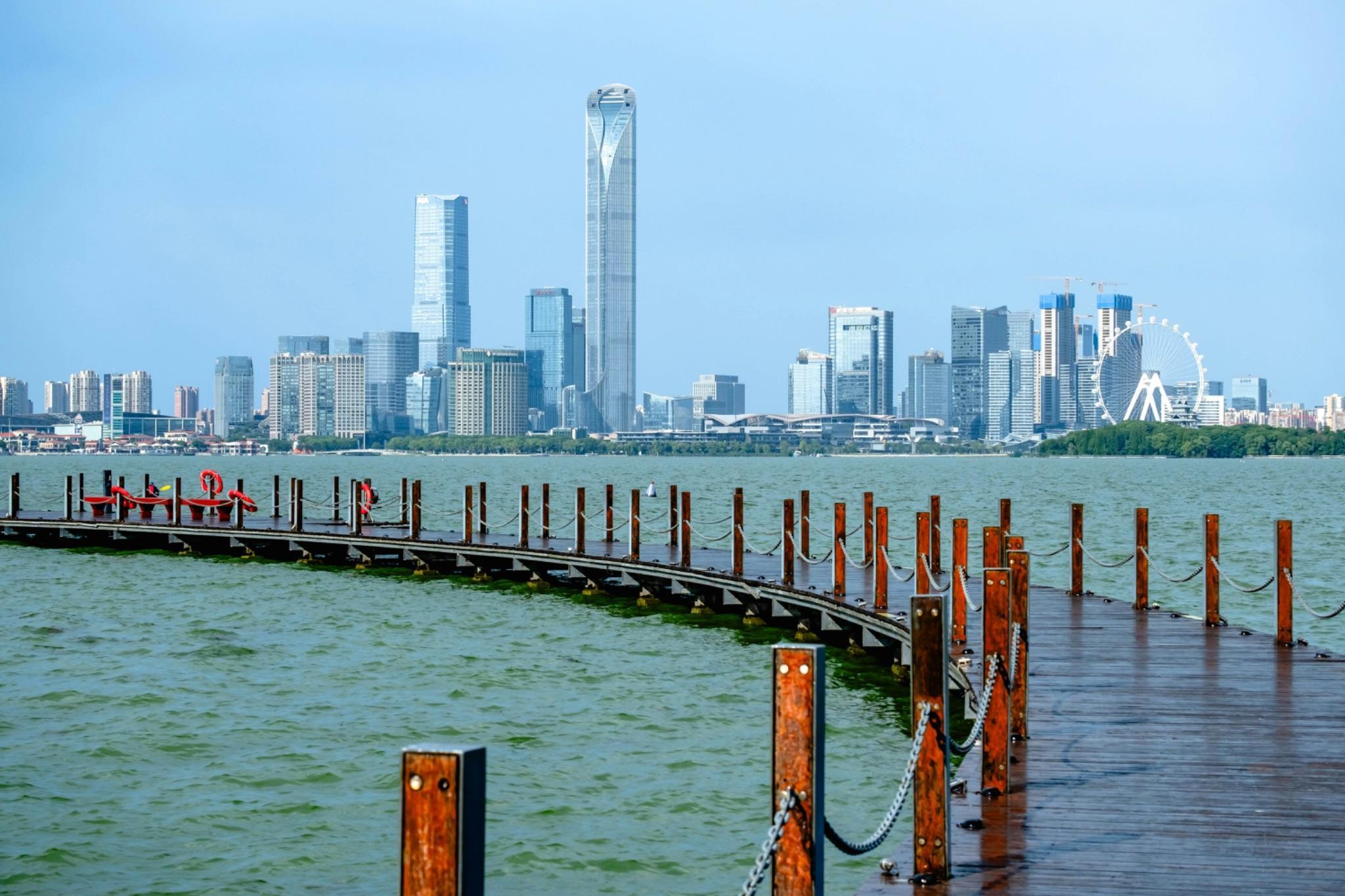
Where Centuries Meet the Present
East Asia offers some of the world’s most striking contrasts. Ancient temples stand beside glass towers, historic markets operate beneath illuminated skyscrapers, and traditional crafts continue alongside some of the most advanced transport systems on the planet.
China and Japan provide particularly fascinating examples of this balance. Both have long histories shaped by dynasties, philosophy, religion and craftsmanship, yet each has embraced modern technology in distinctive ways.
A journey through the region can move from imperial palaces and sacred gardens to high-speed railways and futuristic city districts within a matter of hours. The contrast is not simply visual. It reveals how societies can preserve traditions while continuing to reinvent themselves.
China’s Imperial Heritage
For travellers considering China tours, Beijing offers an extraordinary introduction to the country’s historical legacy. The capital has served as the centre of Chinese political power for centuries, and its most famous landmarks reflect that history.
The Forbidden City remains the city’s defining historic complex. Once reserved for emperors, court officials and their households, the enormous collection of courtyards, halls and ceremonial spaces now provides visitors with an insight into the organisation of imperial life.
Its traditional architecture follows carefully established principles, with symmetrical layouts, monumental gates and richly decorated roofs.
Beyond the palace complex, Tiananmen Square provides an entirely different sense of scale. The vast public space has played an important role in modern Chinese history and sits at the centre of Beijing’s political district.
Yet the capital is not frozen in its past. Modern shopping streets, contemporary galleries, restaurants and extensive metro lines reveal a city constantly changing around its historic foundations.
The Great Wall Beyond Beijing
No exploration of China’s historical landscape would be complete without considering the Great Wall. Rather than being a single uninterrupted structure, it consists of fortifications built and modified during different periods.
Several sections can be reached from Beijing, with restored areas offering relatively easy access and more rugged stretches providing a stronger sense of the surrounding terrain.
The wall follows mountain ridges, climbing steep slopes before disappearing into distant hills. Its original purpose was military, but today the surrounding landscape is an equally important part of the experience.
Walking along the battlements provides a reminder of the enormous scale of the project. Watchtowers appear at intervals, while forests and mountains extend far beyond the visible sections of the wall.
Shanghai’s Futuristic Skyline
Travelling from Beijing to Shanghai reveals a dramatically different side of China. Shanghai has developed into one of Asia’s most important financial and commercial centres, with a skyline that has become synonymous with modern China.
The Pudong district contains some of the country’s most recognisable skyscrapers. The Oriental Pearl Tower, Shanghai Tower and other high-rise buildings create an extraordinary concentration of contemporary architecture.
Across the Huangpu River, the Bund provides a striking contrast. Its grand buildings were constructed largely during the city’s period as an international trading port, incorporating European architectural influences.
Standing along the waterfront, visitors can see two eras at once. Historic commercial buildings occupy one side of the river while futuristic towers dominate the other.
Gardens and Quiet Courtyards
Chinese culture is not defined solely by monumental architecture. Traditional gardens offer a much smaller-scale expression of ideas about balance, nature and contemplation.
Suzhou is particularly famous for its classical gardens. Designed around ponds, rocks, plants, pavilions and winding paths, these spaces encourage visitors to experience scenery gradually rather than viewing it from a single grand perspective.
The Humble Administrator’s Garden is one of the best-known examples. Water occupies a central role, while carefully positioned buildings and plants create changing views from different points.
The gardens demonstrate the importance of controlled natural beauty within traditional Chinese design. Nothing feels entirely wild, yet the intention is to create the impression of an organic landscape.
Japan’s Modern Precision
Those planning Japan tours often expect a combination of ancient culture and advanced urban life, and the country delivers that contrast almost immediately.
Tokyo is perhaps the clearest example. The city contains ancient shrines, traditional neighbourhoods and historic gardens alongside enormous railway stations, electronic districts and high-rise developments.
Shibuya represents Tokyo’s modern energy. Its famous crossing has become a symbol of the city’s density and movement, while surrounding streets are filled with shops, restaurants, entertainment venues and offices.
A short distance away, quieter areas offer a completely different atmosphere. Meiji Shrine sits within a large wooded area near Harajuku, providing an unexpected sense of calm amid one of the world’s busiest cities.
Kyoto and Japan’s Cultural Heart
Japan presents a different relationship between tradition and modernity. While Tokyo is strongly associated with technology and contemporary culture, Kyoto provides an opportunity to explore centuries of Japanese artistic and religious heritage.
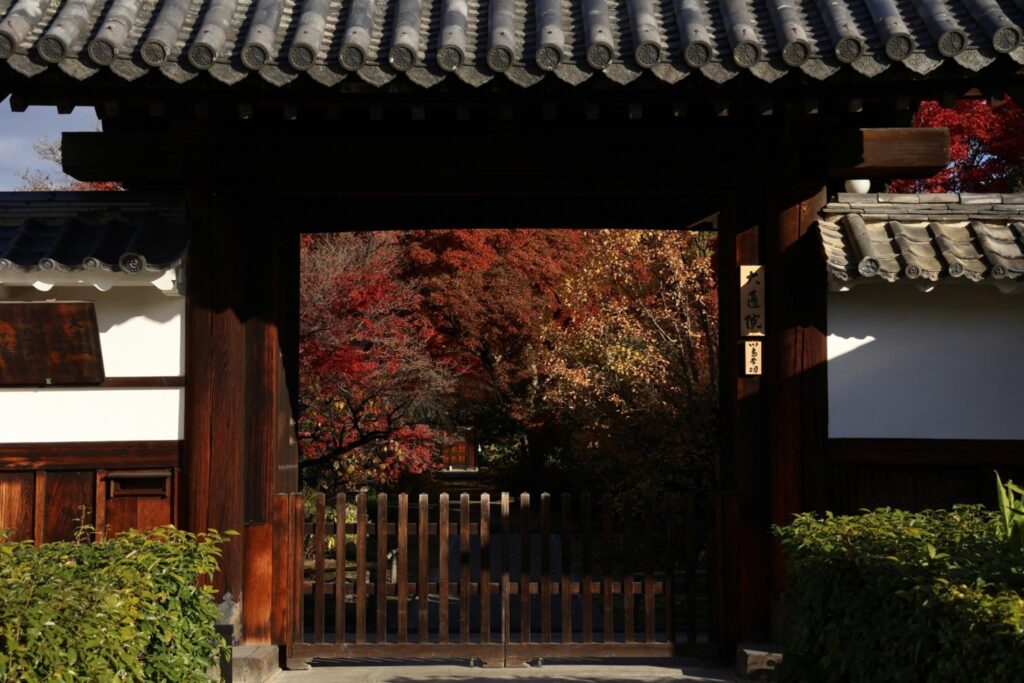
The former imperial capital contains hundreds of temples and shrines, many surrounded by gardens or wooded hills.
Kinkaku-ji, also known as the Golden Pavilion, is one of Kyoto’s most recognisable sights. Its gilded exterior is reflected in a surrounding pond, creating a carefully composed scene that changes with the seasons.
Fushimi Inari Taisha offers another unforgettable setting. Thousands of vermilion torii gates climb the wooded slopes behind the shrine, creating long passages that gradually become quieter as the trail moves away from the city.
Tokyo’s Neighbourhood Character
One of Tokyo’s greatest strengths is its variety of neighbourhoods. Rather than having a single historic or commercial centre, the metropolis is made up of districts with distinct personalities.
Asakusa retains strong connections with traditional Tokyo. Senso-ji is the area’s major landmark, approached through Nakamise-dori, a lively shopping street lined with stalls selling snacks, souvenirs and traditional goods.
Ginza provides a sharp contrast, with luxury boutiques, department stores and sophisticated restaurants occupying wide streets.
Shimokitazawa has a younger, more alternative atmosphere, known for independent shops, cafés, music venues and second-hand fashion.
Exploring these districts reveals how contemporary Tokyo has developed without completely erasing older layers of the city.
The Art of Japanese Gardens
Japanese gardens offer another window into the country’s cultural traditions. Their design often places emphasis on seasonal changes, carefully positioned rocks, water and restrained planting.
Kenroku-en in Kanazawa is considered one of Japan’s great landscape gardens. Its ponds, bridges, streams and trees create a setting that changes considerably throughout the year.
Spring brings blossoms, summer provides dense greenery, autumn introduces brilliant foliage and winter can transform the garden beneath snow.
The garden is not simply a collection of attractive plants. Its design reflects an appreciation for proportion, negative space and controlled movement through a landscape.
Food as Cultural Heritage
Food provides one of the easiest ways to encounter the differences between China and Japan.
Chinese cuisine encompasses enormous regional diversity. Sichuan cooking is known for its bold use of chilli and Sichuan pepper, Cantonese cuisine often places greater emphasis on delicate flavours and fresh ingredients, while northern traditions feature noodles, dumplings and wheat-based dishes.
Japanese cuisine also varies by region, but presentation and seasonality are often given particular attention.
Sushi is perhaps Japan’s best-known culinary export, yet the country’s food culture extends to ramen, tempura, yakitori, soba and countless regional specialities.
Markets provide an excellent introduction to both traditions. They reveal ingredients, cooking techniques and eating habits that can be difficult to understand through restaurant menus alone.
Temples, Shrines and Sacred Landscapes
Religion and philosophy have influenced East Asian architecture for centuries. Buddhist temples and Shinto shrines remain important features of Japanese cities and rural communities, while Buddhist and Daoist traditions have shaped many aspects of Chinese cultural heritage.
In Japan, visitors may encounter Shinto torii gates marking entrances to sacred spaces, Buddhist statues, incense-filled halls and carefully maintained temple gardens.
China’s historic religious sites include mountain monasteries and temple complexes that blend architecture with dramatic natural settings.
Mountains often carry particular spiritual significance. Their distance from crowded urban centres created spaces for meditation, pilgrimage and religious practice.
Ancient Craftsmanship in a Modern Age
Traditional crafts continue to play a role in both countries. Chinese ceramics, silk, calligraphy and paper arts have developed over centuries, while Japanese pottery, lacquerware, textiles and woodwork demonstrate similarly refined techniques.
Some crafts remain closely connected with particular regions. Kyoto is renowned for traditional textiles and ceramics, while Jingdezhen in China has been associated with porcelain production for generations.
Modern designers increasingly reinterpret these techniques rather than simply preserving them unchanged. Traditional materials and methods can therefore appear in contemporary furniture, fashion and architecture.
This combination of inheritance and experimentation is one of the most interesting characteristics of East Asian culture.
Cities Built for Movement
Modern transport provides perhaps the clearest demonstration of technological development in the region.
China has created an enormous high-speed railway network connecting major cities across the country. Japan’s Shinkansen has become internationally recognised for speed, punctuality and efficiency.
Within major cities, extensive metro and commuter systems allow millions of people to travel daily. Railway stations themselves can become miniature urban centres, containing restaurants, shops, department stores and underground connections.
The technology is impressive, but its importance extends beyond engineering. Efficient transport makes it possible for travellers to experience several very different cities within one journey.
Two Visions of the Future
China and Japan demonstrate that modernisation does not necessarily mean abandoning historical identity.
Beijing can surround an imperial palace with one of the world’s largest modern capitals. Kyoto can preserve centuries-old temples while remaining connected to a highly advanced national economy. Shanghai can place colonial-era architecture beside futuristic towers, while Tokyo can combine ancient shrines with some of the world’s busiest transport hubs.
These contrasts make East Asia especially compelling for curious travellers. The past is not confined to museums, and the future does not exist separately from tradition.
From the courtyards of Beijing’s Forbidden City to the glowing streets of Tokyo, from mountain fortifications in China to the quiet paths of Kyoto’s temples, the region offers an extraordinary succession of experiences.
The real fascination lies in seeing how old ideas, artistic traditions and historic places continue to exist alongside rapid technological change. Ancient dynasties may belong to another era, but their influence remains visible in the cities, landscapes and customs that define East Asia today.