

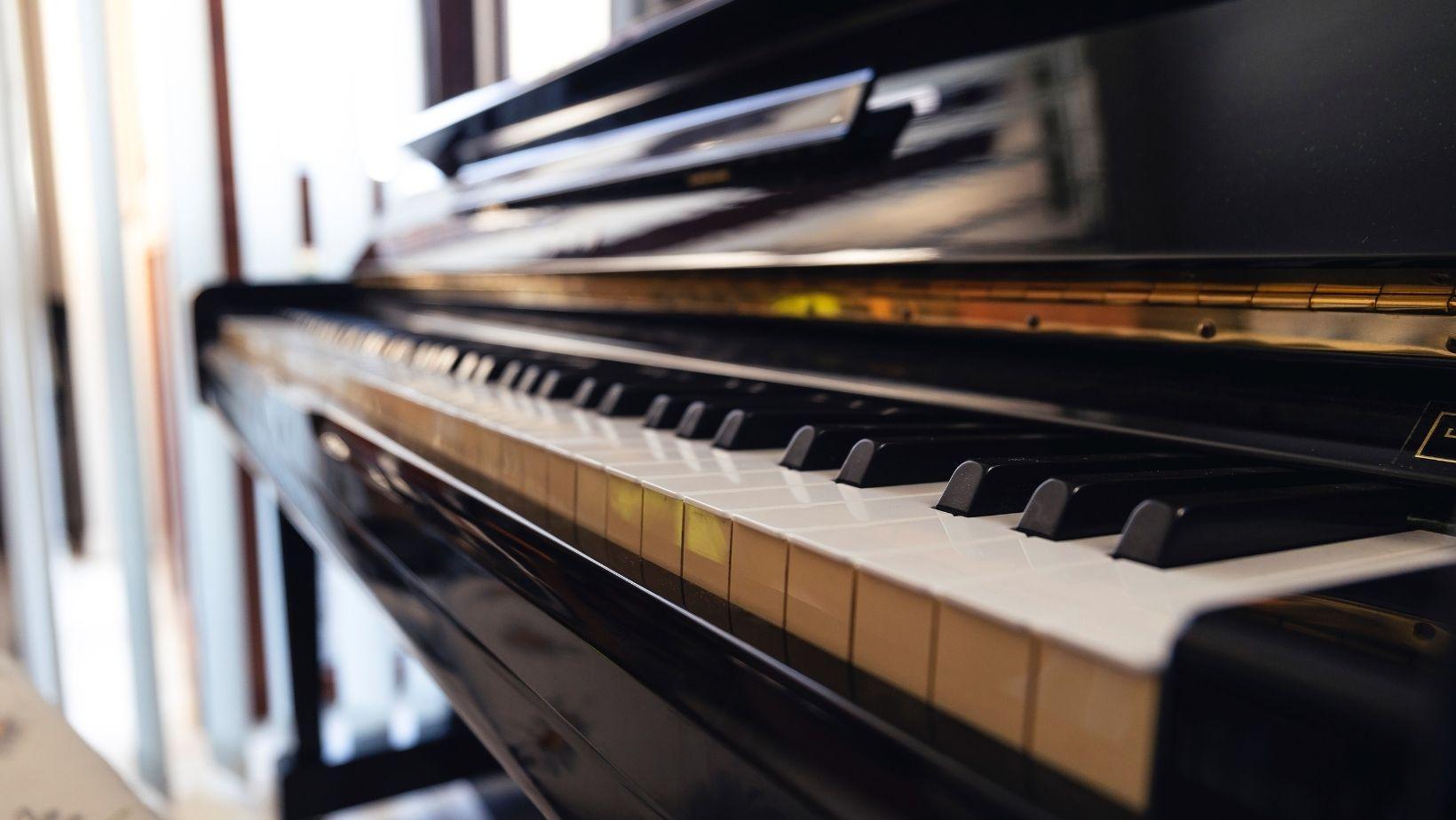
A used piano can be one of the best values in the entire world of musical instruments, or one of the more expensive mistakes a hopeful buyer can make. The difference comes down almost entirely to knowledge. Pianos are complex, long-lived instruments that hide much of their condition inside a handsome case, and a beautiful exterior can conceal problems that turn a bargain into a burden. Approached with a little understanding, though, the used market rewards patient buyers with quality instruments at prices that make music far more accessible than buying new.
This guide walks through how to think about buying a used piano sensibly. It covers why the used market holds such value, what to watch for, which instruments tend to age well, and how to protect yourself, so that a pre-owned instrument becomes a genuine win rather than a gamble that does not pay off.
Why Used Pianos Offer Real Value
Well-made pianos are built to last for decades, which is precisely why the used market can be so rewarding. An instrument that has been cared for can have many good years remaining while costing a fraction of its original price. That longevity is unusual among purchases, and it means a modest budget can often reach a tier of quality that would be out of reach when buying new.
Depreciation works in the buyer’s favor here, much as it does with certain other durable goods. A piano loses a good deal of its nominal value once it leaves the showroom, but its musical usefulness declines far more slowly. That gap between price and remaining usefulness is exactly where the value lives, and savvy buyers position themselves to capture it rather than paying the premium of new. Recognizing that gap, and knowing how to evaluate an instrument well enough to trust it, is what separates a genuine bargain from a hopeful guess.
The range available on the used market is another advantage worth appreciating. Because so many instruments have been made over the years, a patient buyer can find a wide variety of sizes, styles, and makers to choose from. That breadth increases the odds of finding not just an affordable instrument but the right instrument, one that suits a particular space, taste, and purpose. The wider the field you can draw from, the more likely you are to find a true match rather than merely a passable compromise.
Where the Best Deals Hide
Value on the used market is not evenly distributed, and knowing where to look pays off. Exploring options in a used piano sale can surface instruments that offer excellent quality for the money, particularly when a reputable source stands behind them. Starting from a trustworthy selection saves a buyer from the riskiest corners of the market.
Some of the strongest values come from instruments that are simply out of fashion or larger than most buyers want, rather than inferior in any way. A quality instrument that does not photograph well or sits in an unfashionable finish may be priced below its true worth. A buyer who cares about sound and condition more than appearance can turn that mismatch to real advantage.
Timing and patience also influence where deals appear. A buyer who is not in a rush can wait for the right instrument at the right price rather than settling under pressure. The used market rewards those who watch and wait, since the perfect combination of quality, condition, and price does not come along every day but does come along for those willing to look.
Reading the Condition Beneath the Surface
The single most important skill in buying used is assessing true condition, and it goes well beyond the visible case. Much of a piano’s health lives inside, in the soundboard, the strings, the pins, and the action, where wear and damage are not obvious to an untrained eye. A shiny exterior tells you little about whether the instrument will hold a tune or play evenly.
Certain warning signs are worth learning even for a novice. Difficulty holding a tune, uneven or sticking keys, and unusual noises can all hint at deeper issues. While a casual buyer cannot perform a full evaluation, developing a basic awareness of these signals helps separate instruments worth pursuing from those best avoided before investing more time or money in them.
For any serious purchase, bringing in a knowledgeable technician is money well spent. A professional inspection can reveal problems that would cost far more than the inspection itself to discover later. This step is especially important for private sales, where no one stands behind the instrument, and it can turn an uncertain gamble into an informed, confident decision.
Instruments That Tend to Age Gracefully
Not all used pianos are created equal when it comes to how they hold up over time. Uprights in particular can represent tremendous value on the used market, and a second hand upright piano for sale often delivers a satisfying acoustic experience at an accessible price. Their sturdy construction and popularity mean a wide selection is usually available to choose from.
Quality of original construction matters enormously to how well an instrument ages. A piano that was well made to begin with, from good materials, tends to hold up far better over the decades than one built to a budget. This is part of why buying a used instrument from a respected maker can be wiser than buying a new one from an unknown source at a similar price.
Maintenance history is the other decisive factor in longevity. An instrument that has been tuned regularly and cared for by attentive owners will typically be in far better shape than one that was neglected, regardless of age. When possible, learning how an instrument was treated over its life provides valuable insight into what kind of years it has left and what to expect from it.
When Digital Enters the Conversation
Sometimes the smart used purchase is not an acoustic instrument at all. Digital pianos can make excellent pre-owned buys, since they lack the hidden acoustic wear that complicates assessing an older acoustic piano. Their condition is generally easier to judge, and a used yamaha clp or similar instrument can offer respected quality at a reduced price.
The practical advantages of digital instruments carry over fully to the used market. No tuning, no sensitivity to humidity, and consistent performance mean a used digital piano can serve reliably without the maintenance considerations that shadow acoustic instruments. For a buyer prioritizing convenience and value, a quality pre-owned digital instrument is a genuinely sensible option.
Technology does move forward, so a buyer weighing a used digital instrument should consider how current its features are. A somewhat older model may lack the latest refinements, but if its action and sound suit the buyer’s needs, that matters far more than having the newest generation. Judging a used digital piano on whether it does what you need, rather than on its vintage, keeps the decision grounded.
Protecting Yourself in the Purchase
The final piece of buying used wisely is protecting yourself throughout the transaction. Purchasing from a reputable source that stands behind its instruments provides a layer of security that private sales cannot match. When something does go wrong, that backing makes all the difference between a fixable situation and an expensive lesson. Recourse is worth a great deal precisely on the rare occasion you need it.
Understanding what comes with the purchase prevents unwelcome surprises. Clarifying details like delivery, any warranty or guarantee, and what the price actually includes ensures you know exactly what you are getting. A little diligence on these practical points protects the value of the deal and spares you from assumptions that turn out to be mistaken after the money has changed hands.
Above all, resist the pressure to rush a significant purchase. A used piano is a meaningful investment, and taking the time to inspect, ask questions, and consider carefully is entirely reasonable. A seller worth buying from will respect that care rather than pushing for a quick decision, and the patience you bring to the process is your best protection against a costly mistake. Pressure to decide immediately is itself a warning sign, since a good instrument and an honest seller can both withstand a little scrutiny.
Questions Worth Asking the Seller
A few well-chosen questions can reveal a great deal about a used piano and the person selling it. Rather than accepting an instrument at face value, a thoughtful buyer treats the conversation with the seller as an important source of information. How someone answers, and whether they answer openly, often tells you nearly as much as the answers themselves do.
Asking about the instrument’s history is a natural starting point. How old is it, how long has the current owner had it, and how has it been used and maintained over that time? An instrument that has been tuned regularly and lived in stable conditions is generally a safer bet than one whose history is vague or troubling, and a seller who knows and shares these details inspires more confidence.
It is equally worth asking about the practical terms of the sale. Understanding whether delivery is included, whether any guarantee applies, and exactly what the price covers prevents misunderstandings later. A trustworthy seller will handle these questions straightforwardly, while evasiveness on basic points is a signal worth heeding before committing to a significant purchase.
Buying Used With Confidence
The used piano market genuinely rewards the informed buyer, offering quality instruments at prices that make music more accessible than many people realize. By understanding where value lives, reading condition carefully, favoring instruments that age well, and protecting yourself in the transaction, a buyer turns a potentially risky purchase into a confident one.
The guiding principle throughout is knowledge paired with patience. Learn enough to evaluate wisely, lean on professional help for the parts beyond your expertise, and refuse to be rushed into a decision you have not thought through. Approached that way, a used piano can bring years of music into a home at a fraction of the cost of new, which is exactly the reward the market offers those who shop with care.