

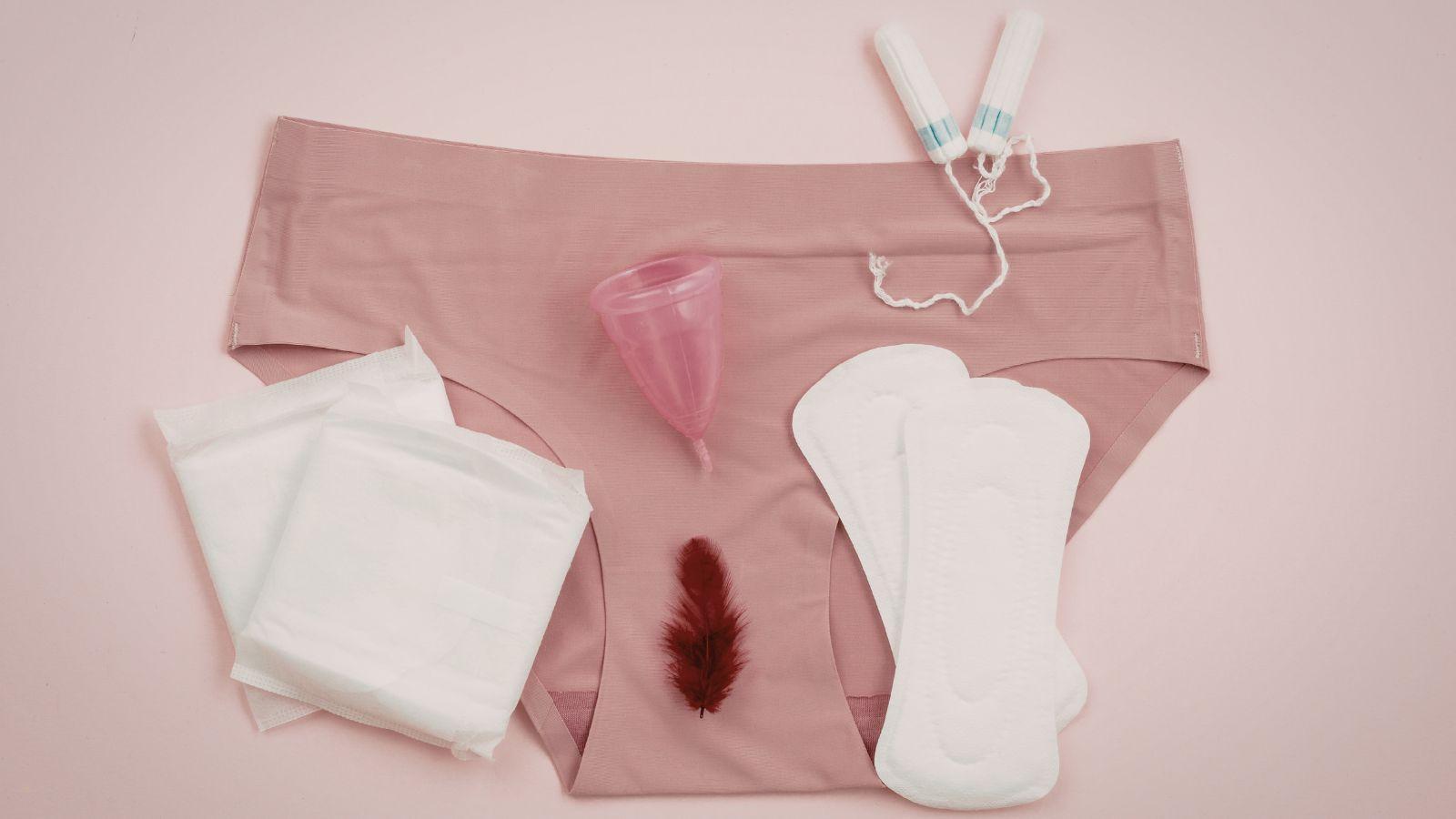
Menstrual products have quietly undergone one of the most significant category shifts in the last decade. For much of recent history, the options were narrow. Disposable pads and tampons dominated shelves, and the conversation around them was limited. In the last few years, reusable alternatives have moved from niche to mainstream, and period underwear sits at the centre of that shift.
The product is simple in concept. A normal-looking pair of underwear is engineered with absorbent layers that capture menstrual flow, replacing the need for separate pads or tampons in many situations. The execution is more interesting than the description suggests, and the range of styles now available means that most people can find something that fits their body, flow, and lifestyle.
Why the category has grown so quickly
Several factors have pushed period underwear into the mainstream. Comfort is a large part of the story. Many people find reusable underwear less intrusive and more reliable than the combination of disposable products they grew up using. Environmental considerations matter too. Disposable menstrual products generate a noticeable amount of waste over a lifetime, and a shift towards reusable options reduces that footprint substantially.
Cost dynamics play a role as well. The upfront investment in a set of period underwear is higher than a single pack of disposables, but the total cost across months or years is typically lower. For anyone who menstruates, the accumulated saving becomes one of the more tangible benefits of switching.
There is also a cultural shift at work. Conversations that were once hushed have become more open, and that openness has pulled better-designed products into the market. Brands have responded with a genuine variety of absorbencies, cuts, fabrics, and price points rather than a single generic offering.
What to look for when choosing a first pair
A few features matter more than others for anyone stepping into the category. Absorbency level is the first question. Products are typically rated by the number of tampons’ worth of flow they can hold, which gives a rough guide for matching a product to a particular day of a cycle. Most users end up with a small rotation, lighter options for the first and last days and a higher-absorbency pair for the heaviest stretch.
Fit is equally important. Underwear that digs, gapes, or shifts through the day will be uncomfortable regardless of how well the absorbent layer performs. Sizing guides from reputable brands are usually generous with measurement instructions, which is worth the few minutes it takes to get right.
Fabric and feel come next. Some products lean towards everyday cotton-blend softness, while others aim for performance fabrics that work for exercise or warmer climates. Matching the fabric to the occasion extends the life and usefulness of a set.
For readers beginning a search, well-known options including period panties for women offer a helpful reference point for the range of styles, absorbencies, and price points that have become standard in the category.
Care, washing, and longevity
Reusable underwear is only as good as the care it receives. The instructions across reputable brands are broadly similar. Rinse in cold water after use, wash in a normal cycle with the rest of a laundry load, and air-dry rather than tumble-drying. Avoiding fabric softeners and heavy bleach helps preserve the absorbent layer.
Treated well, a pair of period underwear typically lasts for several years before the absorbency noticeably declines. That timeline, multiplied across a full rotation of pairs, is what delivers the cost and environmental benefits that first attract most users.
When to combine with other products
Most users do not switch fully to a single product. A rotation that mixes period underwear with occasional use of other reusable options, such as menstrual cups or discs, tends to cover every situation comfortably. Exercise, travel, swimming, and overnight wear each have slightly different demands, and having two or three products in the rotation makes the whole system more resilient.
For anyone who experiences unusually heavy flow or medical complications around menstruation, reusable options should be discussed with a healthcare provider rather than assumed to be suitable. Period underwear is well suited to most people, but there are specific cases where additional clinical input is useful.
The environmental angle
The environmental argument for reusable menstrual products is stronger than it once was, but it is worth looking at honestly. Manufacturing a pair of period underwear consumes resources and energy, and the footprint per unit is not trivial. The benefit comes from longevity. When a single reusable product replaces hundreds of disposable units over its lifespan, the total-impact comparison tilts clearly in favour of the reusable option.
That tilt depends on actually using the product for years rather than months. Buying more pairs than are genuinely needed, or replacing them before they wear out, erodes the environmental advantage. Thoughtful ownership, in this category as in many others, is the quiet factor that makes the numbers work.
A category that has earned its place
Period underwear has moved from curiosity to category leader in a short time, and the reasons are solid. Comfort, cost, and environmental impact all pull in the same direction, and the product itself has matured into something genuinely reliable. For anyone who has not yet explored the category, the simplest starting point is a single pair in a mid-range absorbency, worn on a known moderate day, to see how it performs in real use.
Most people who try that first pair find themselves quietly reorganising their routine around it within a cycle or two. The shift is small, the evidence accumulates, and the old habit fades into the background without much fanfare.