

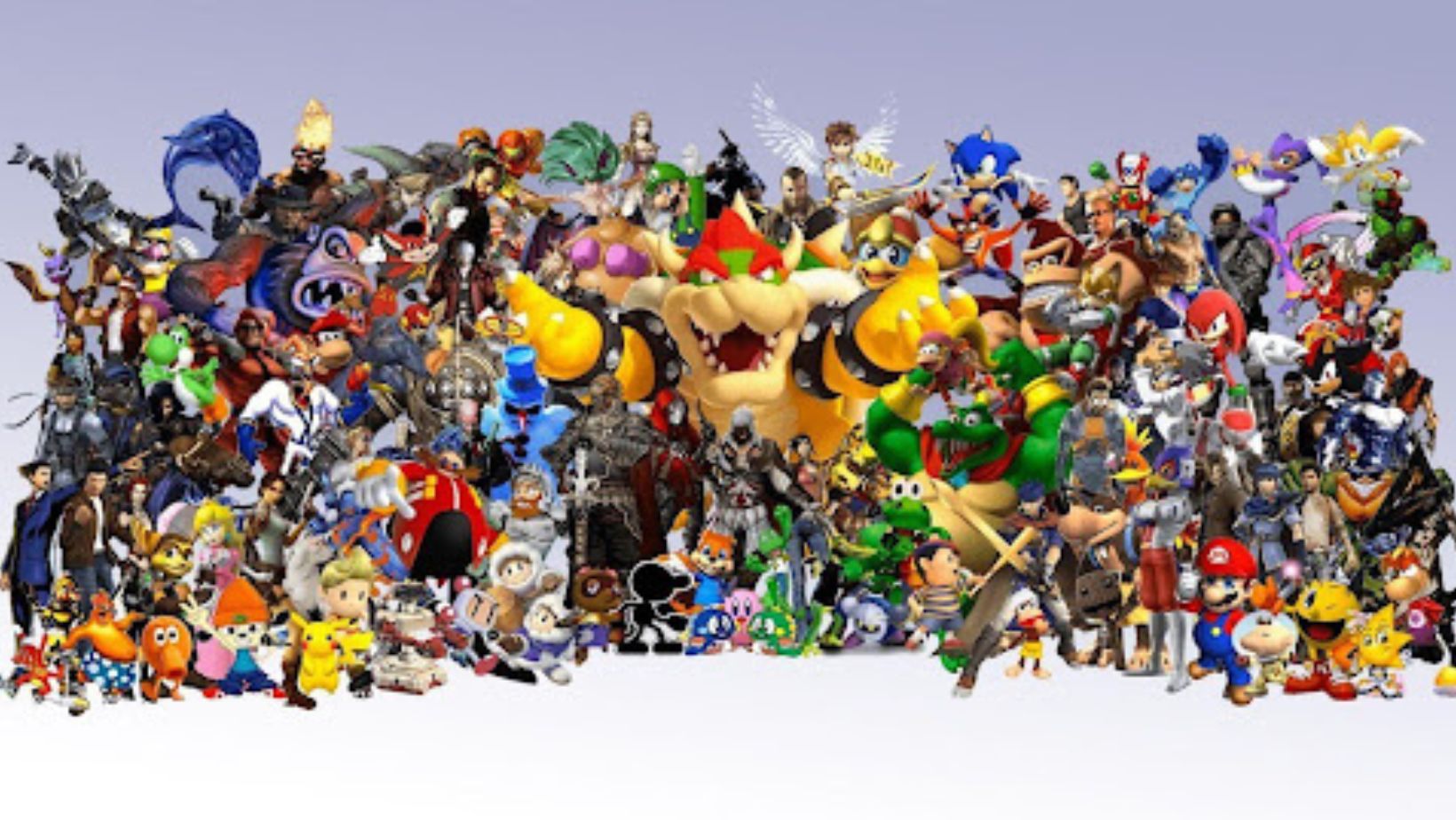
The gaming industry is undergoing significant development and a period of substantial transformation. The issue of representation and diversity is one of the central ones, and while studios used to focus primarily on visual effects and technical innovations, today more and more attention is being paid to cultural, social, and identity aspects. Developers are striving to create realistic, diverse characters and game worlds that better reflect the complexity of modern society. Representation in the modern gaming industry has become not only a trend, but also an important component of successful products that strive to be relevant and competitive.
Expanding Character Diversity And Authentic Storytelling
The first noticeable aspect of the modern approach to diversity is a wider range of characters. NPCs now reflect different cultures, races, genders, religious views, and health characteristics. A significant number of titles have already abandoned stereotypical images, striving to create unique heroes with multi-layered personalities.
This trend is particularly noticeable in story-driven games that feature a large number of regions, each with different playable characters. Stories are also increasingly focusing on moral dilemmas related to identity, stereotypes, and respect for others.
Special attention should be paid to how large studios work with the topic of physical and cognitive diversity. Not all game characters are endowed with great power or intelligence and have their own traits that make them special. Such representation helps to change the representation of society and makes game worlds more realistic.
In general, the development of diversity at the character level demonstrates that the gaming industry is moving towards more responsible and conscious storytelling, where the inclusion of players and the ability to find themselves in the images of heroes is as important as the technical quality of the content.
Inclusive Esports Ecosystems And Competitive Balance
The issue of representation is also discussed in esports. In competitive video games, it is important that a level playing field is created for all participants. In shooters and team tactical games such as Counter-Strike 2, discussion about gender balance, equal access to tournaments, and community inclusivity reaches a new level. In this context, it is important to understand how the evolution of professional events organically affects the discussion of stage development and the formation of more open approaches among tournament organizers.
Today’s esports ecosystem is very large, and in addition to players, there are analysts, coaches, managers, and many other professionals who support competitions on a global level. Their importance can be seen at any high-level tournament, including the next cs major, as diverse perspectives and experiences contribute to better decisions. In addition, esports is built on the popularity of the esports disciplines themselves, so developers must constantly keep them relevant.
It is also important that game developers are actively working on tools that make discrimination impossible. New player selection systems, improved communication mechanics, automated sanctions against toxic behavior, and global transparency initiatives all help build healthier gaming communities.
Cultural Identity And Global Influence In Game Worlds
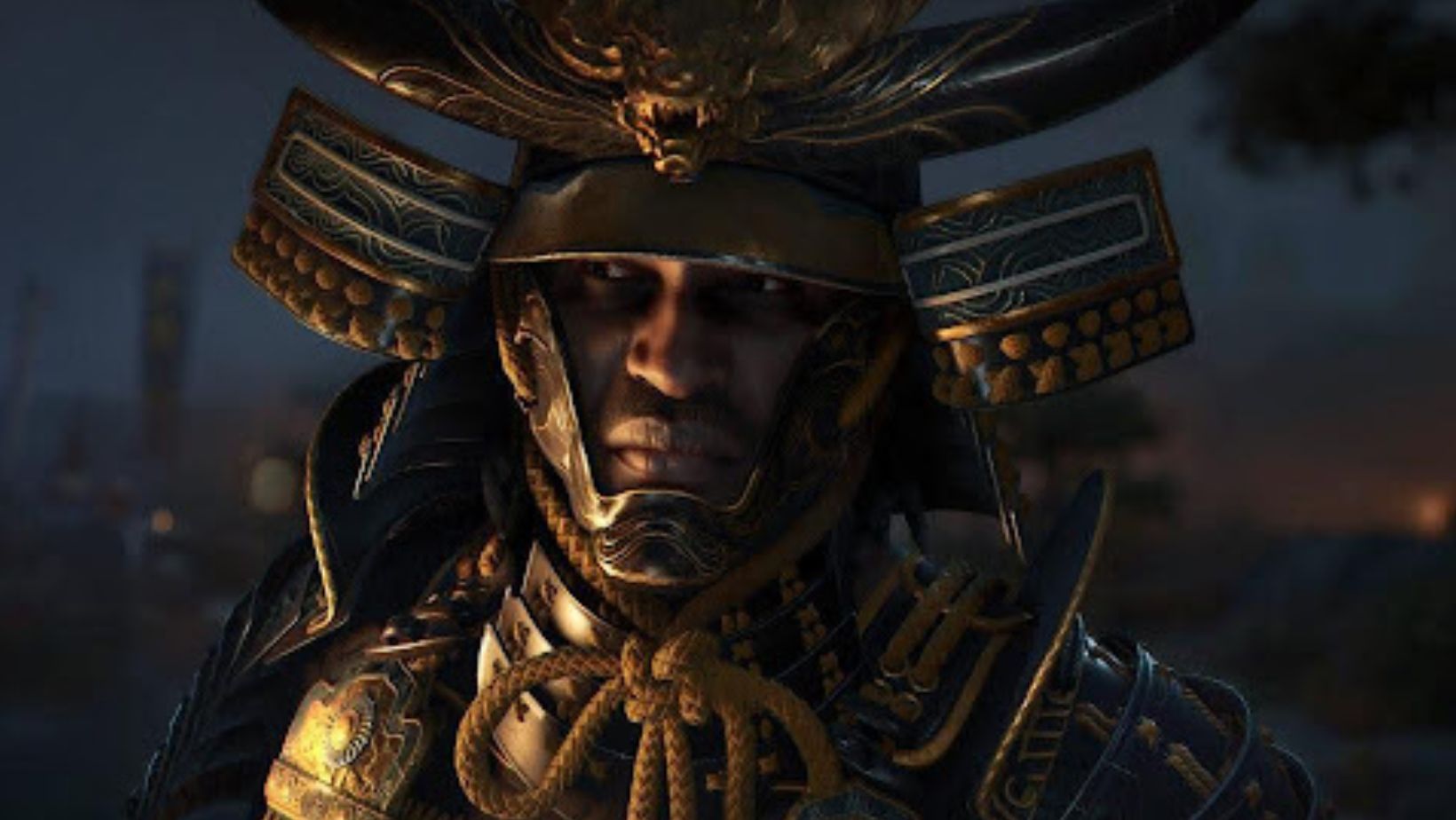
Representation does not only affect character images or esports tournaments, it is evident in the construction of game worlds where culture is an important element of design. Many modern studios abandon the unified style and draw inspiration from real cultures, from architecture and clothing to linguistic features and social structures.
However, it is important that such borrowings are truthful and accurate. Developers work with cultural consultants, historians, and community representatives to avoid mistakes and artificial stereotypes. It is attention to detail that can make a project successful. When culture is reproduced with high quality, the player does not just go through the game — they feel immersed and emotionally connected to the world.
In gaming communities, this approach plays an extremely important role. Players from different countries want to see elements in the worlds that reflect their history, modernity or mythology. Therefore, video games are increasingly becoming a platform for understanding the themes of national identity and allow you to analyze issues that have traditionally been considered too sensitive or difficult for mass media – and do so in a form that is understandable to a wide audience.
Industry Responsibility And Ethical Standards In Representation
The development of representation is impossible without the formation of ethical standards within the gaming industry itself. Large studios publish inclusivity policies, implement internal trainings, and use tools to check scripts and design decisions for bias. This is not a formality, but a necessity based on the growing expectations of players.
Real change becomes noticeable when diversity manifests itself both in the outcome and in the process of creating video games. Development teams made up of people with different experiences and perspectives are capable of creating more balanced and unique projects that will be well received by the audience.
An equally important aspect is responsibility in the use of socially sensitive topics. If a studio includes elements related to discrimination, cultural conflicts, or historical trauma in a game, it must do so with caution and indicate this in the game notes. Bad decisions can not only provoke negative reviews, but also ruin the reputation of the developers.
At the same time, properly implemented themes of inclusivity can bring commercial success. Certain market studies have been conducted that a large number of players support studios that demonstrate social responsibility and seek positive change. As a result, representation becomes a creative and strategic factor in the development of the gaming industry.
Conclusion
Putting all the facts together, we can say that representation and diversity are important components in modern video games. These elements affect all levels, from characters and storylines to the esports ecosystem and ethical development standards. Studios strive to create game worlds that better reflect reality and promote cultural dialogue. Modern video games are becoming a hub for diverse identities, and the development of inclusive approaches contributes to the formation of healthier communities and more successful projects. All of this confirms that representation can influence the development of the gaming industry.