

A high-quality electric wire rope hoist can make heavy lifting safer, faster, and more precise in industrial and construction settings. The right model depends on load capacity, power source, and control features, but price often guides the final choice. Most high-quality electric wire rope hoists cost between $3,000 and $10,000, depending on capacity, brand, and advanced features.
The cost may seem high at first, but the investment often pays off through longer service life and fewer maintenance issues. Buyers who understand what influences price, such as motor type, lifting speed, and safety systems, can make smarter choices that fit both performance needs and budget.
This guide explains the main factors that affect cost, how to judge build quality, and what long-term value to expect from a well-made hoist. It helps anyone planning to purchase one know exactly what to look for before spending thousands on equipment that must perform safely and consistently.
Key Factors Influencing the Cost of an Electric Wire Rope Hoist
The price of an electric hoist depends on its lifting capacity, motor performance, and built-in safety systems. Buyers should weigh these features carefully, as each one affects both the purchase price and long-term operating costs.
Load Capacity and Lifting Applications
Load capacity remains one of the main cost drivers. A hoist built to lift 1 ton will cost less than a model that handles 5 or 10 tons. Higher capacities require stronger motors, thicker wire ropes, and reinforced frames, which raise material and manufacturing expenses.
Industrial users often choose heavier-duty models for warehouses or construction sites. Some brands, for example an electric wire rope hoist from VEVOR or other similar ones offer several capacity options, allowing buyers to match the hoist to their specific workload. Smaller units suit garage use, while larger ones serve production lines or logistics centers.
Environmental factors also affect pricing. Hoists used outdoors or in dusty, humid, or high-temperature settings need corrosion-resistant coatings and sealed housings. These protective features add cost but extend service life and reduce maintenance frequency.
Performance and Lifting Speed
Motor power and lifting speed strongly influence both price and productivity. Faster lifting speeds reduce downtime but require higher-torque motors and more precise control systems. These upgrades often increase cost but improve workflow efficiency.
Some hoists include dual-speed motors that allow both slow and fast operation. The slower mode helps with positioning heavy loads safely, while the faster mode handles repetitive lifting tasks. Buyers should consider how often the hoist will operate each day, as frequent use justifies investing in higher performance.
Energy efficiency also plays a role. Modern models may use regenerative braking or efficient motor designs that lower electricity use. Although these systems raise the initial price, they can cut energy bills over time.
Safety Features and Limit Switches
Safety systems add measurable value to any hoist. Limit switches stop the hook automatically at upper and lower points, preventing damage to the motor or cable. Emergency stop buttons and overload protection further reduce accident risk.
Manufacturers often include mechanical brakes or thermal protection for extra security. These components protect both the operator and the equipment.
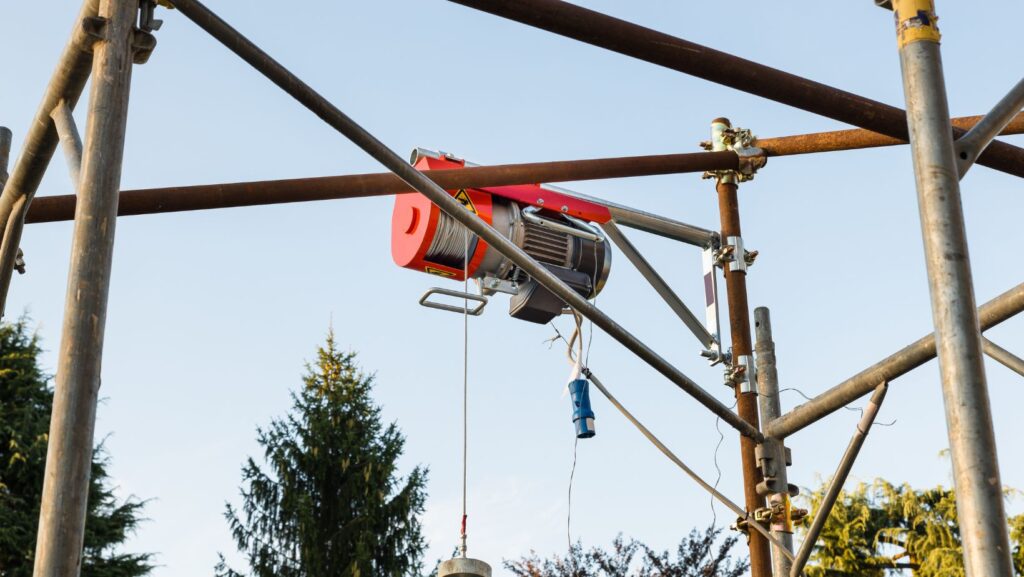
Higher-end hoists may feature advanced sensors or automatic shutoff functions. While these options increase cost, they reduce downtime caused by misuse or mechanical failure and improve compliance with workplace safety standards.
Assessing Quality, Reliability, and Long-Term Value
A high-quality electric wire rope hoist should deliver consistent performance, resist wear under heavy use, and maintain safe operation over time. Buyers need to look beyond price and evaluate how materials, design, and maintenance affect total ownership cost.
Durability and Build Quality
Durability depends on the strength of the frame, motor, and rope system. A hoist made from high-grade steel or aluminum resists corrosion and deformation under stress. The wire rope should meet rated load standards and resist fraying under repeated lifting cycles.
Heat-treated gears and sealed bearings protect against friction and dust. These features extend service life and reduce unplanned downtime. A strong housing also shields electrical components from moisture and debris.
Buyers should check for certified load ratings, protective coatings, and quality welds. These details show the manufacturer’s attention to long-term performance. A well-built hoist may cost more upfront but usually lasts longer and requires fewer major repairs.
Reliability and Maintenance
Reliability reflects how consistently the hoist performs under normal and heavy workloads. A dependable motor delivers steady lifting speed without overheating or stalling. Control systems should respond quickly and maintain smooth movement under varying loads.
Regular maintenance affects reliability as much as design. Easy access to lubrication points and clear inspection panels help technicians perform routine checks faster. Models that use standardized parts simplify replacement and reduce downtime.
Preventive care lowers the cost of ownership. For example, replacing worn ropes and brake pads early avoids expensive failures later. Buyers should review service schedules and warranty terms to understand expected maintenance costs and intervals.
Comparing Brands and Models
Different models vary in performance, safety features, and service support. Buyers should compare load capacities, lift speeds, and duty cycle ratings to match the hoist to actual work demands. A higher duty cycle supports longer daily operation without overheating or mechanical fatigue.
Control options also matter. Some hoists include variable speed adjustment or overload protection that improves precision and safety. Noise level, power efficiency, and spare part availability also influence long-term satisfaction.
A clear side-by-side comparison helps identify which model balances price, durability, and performance. Choosing a hoist with proven design and accessible service support usually leads to better long-term value.
Conclusion
A high-quality electric wire rope hoist costs more upfront but offers better performance and lifespan. Prices often depend on load capacity, lift height, motor power, and safety features. Buyers should compare these factors instead of focusing only on the base price.
Labor, installation, and maintenance also affect total cost. Therefore, planning for these expenses helps avoid budget surprises later.
For most industrial or commercial users, a well-built hoist provides steady operation and long-term value. Choosing the right model for the workload and environment saves money and reduces downtime.