
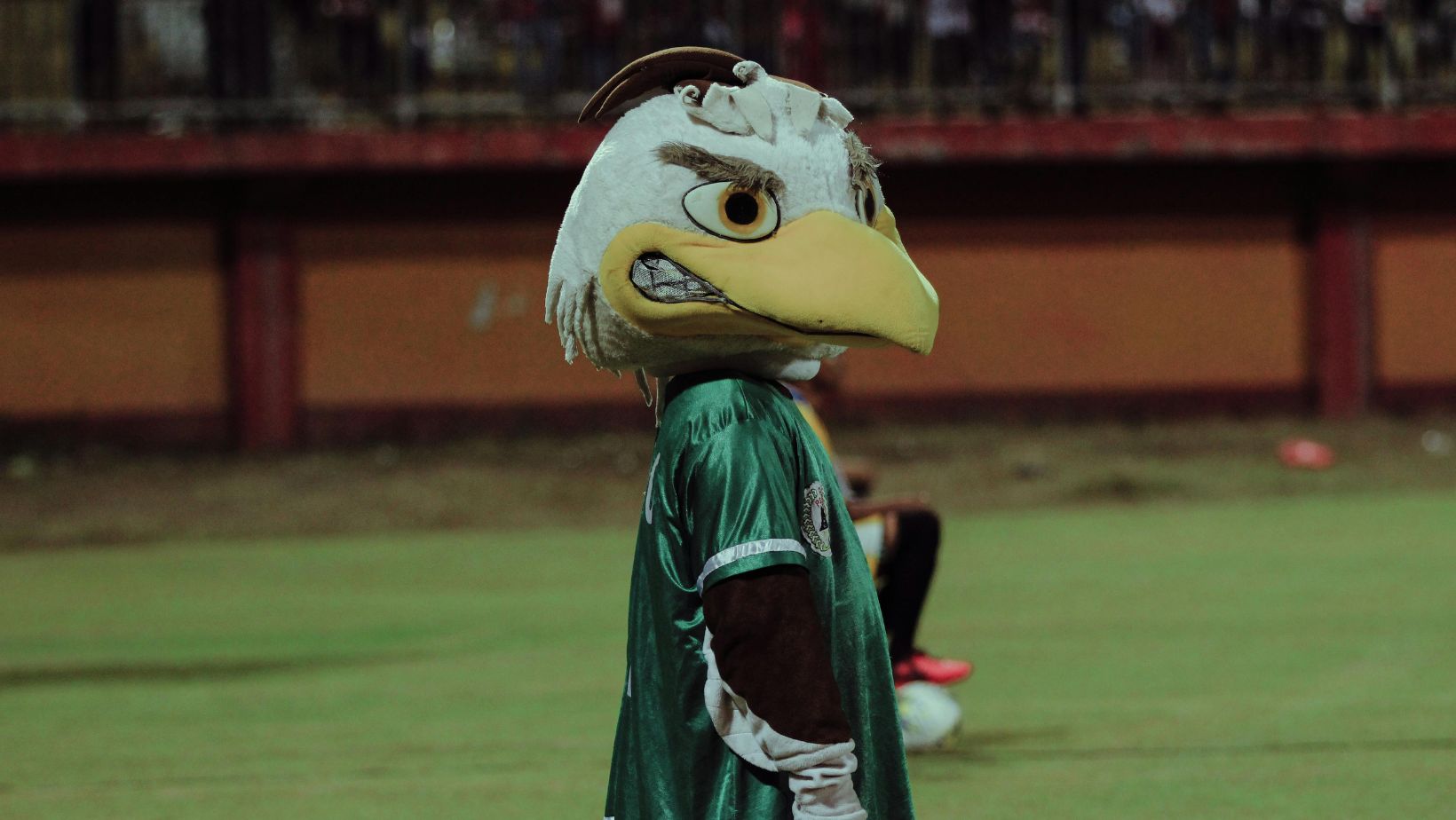
A character with a funny face can stick in the mind longer than a company name, especially when it moves across screens and reacts to what people do. Mascots help turn services into something more human, more familiar, and easier to return to without thinking too hard.
But what makes these quirky characters work so well, and how do they actually help a platform keep people coming back?
Who Uses Mascots and Where They Show Up?
Plenty of services use characters to build memory, spark recognition, or give a face to something that might otherwise feel cold. These mascots are often simple, expressive, and full of personality, which makes them ideal for catching attention without taking over the screen.
While certain platforms design their own mascots, others place focus on the face of a game or a key product, which serves the same purpose. This can be seen in gaming, especially on casino platforms that carry famous slot titles where a character becomes instantly recognizable. MrQ online slots stands out in this category, using the fisherman from Big Bass Splash as the most visible character across its interface.
With his orange shirt, cowboy hat, and rod in hand, the fisherman became a familiar presence tied to the most visited part of the service. He appears in welcome banners, promotional tiles, and feature sections.
Other platforms lean toward designed characters that reflect their tone and purpose. From chat apps to payment tools, mascots help build loyalty by appearing in places where users succeed, search, click, or pause. Whether as part of a reward message or a loading animation, their presence builds rhythm and recognition over time.
Characters Communicate Without Speaking
Mascots use body language to set the tone. A raised brow during an error, a quick clap after a task, or a sleepy blink while something loads can guide mood and attention more effectively than a tooltip. Their reactions support the structure of the interface without distracting from it.
Duolingo’s mascot, Duo the owl, nods and flaps after each completed step, while narrowing its eyes with mock-disapproval when a daily streak is missed. That kind of interaction does more than entertain. It shapes the rhythm of use and provides emotional structure to simple actions like finishing a quiz or skipping a lesson.
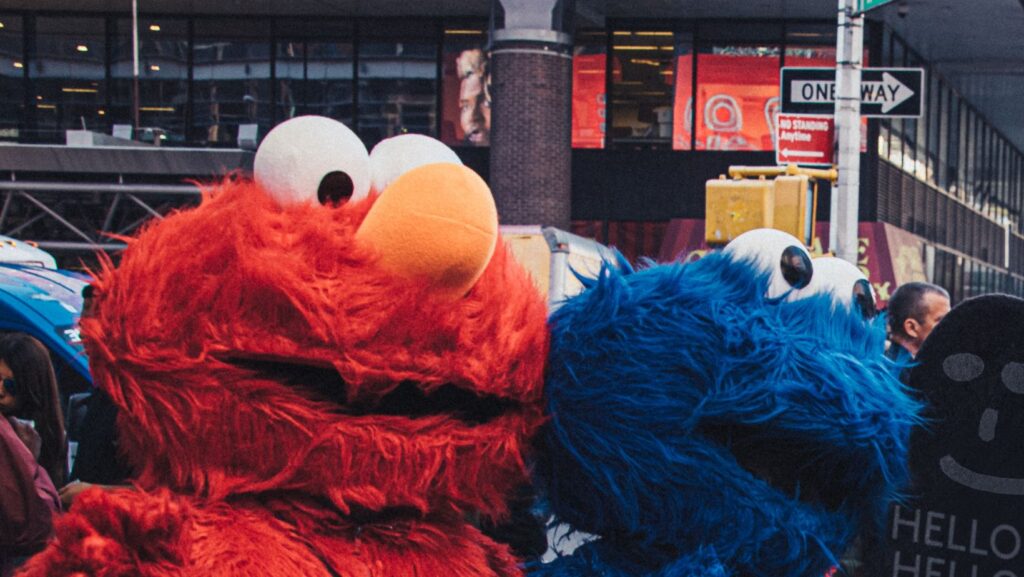
These characters can also carry the weight of seasonal events and updates. A mascot wearing sunglasses during the summer or holding a gift during a campaign launch shows users that something timely is happening. These visual touches speak instantly and build a shared timeline between brand and user.
Some mascots speak through simplicity. Reddit’s Snoo occasionally shifts expression and posture depending on the event, but always keeps its form. Even a slight change in background or outfit signals a new topic or platform milestone. This reinforces presence without overexposing the character.
Familiar Faces Create Stability
A well-designed mascot gives the platform a center of gravity. As updates roll out, layouts shift, and features evolve, the character remains. It may wear a new outfit, hold a new item, or change position, but the face stays the same. That stability keeps users anchored and helps them feel like they are still in the same place.
Mailchimp’s Freddie the chimp has winked at users since the early 2000s. He reacts to actions and sits quietly when tasks go well. His presence is constant, and that consistency matters. Whether he shows up on the campaign confirmation screen or in an onboarding email, users know the message is complete when Freddie is there.
Consistency also makes communication easier. When the same character appears across support pages, reward screens, app icons, and product emails, it helps users carry recognition from one part of the service to another. That shared visual thread reduces friction, especially during changes or releases.
Mascots also reinforce internal themes. A serious platform can still use a calm or wise-looking mascot to build a connection. A playful service can rely on wild expressions and color changes. The design fits the message, and the message becomes part of the overall mood.
Loyalty Starts With Connection
Mascots become effective when they form a bridge between interaction and emotion. That connection begins with timing. Twitch’s Glitch, with its square face and jagged outline, stays subtle across the brand’s identity. It doesn’t overreact, but its consistent look keeps users anchored. When the logo animates or shows up in new contexts, people still recognize the platform instantly.
Characters also show care when things go wrong. If a page fails or a step stalls, the mascot can step in with an empathetic shrug or puzzled stare. This softens the effect of errors and makes users feel guided rather than abandoned. The presence of a mascot lowers pressure without lowering standards.
One Face Can Hold the Whole Platform Together
Mascots leave a mark by building memory. They create links between progress, identity, and feeling. Their face becomes shorthand for a platform that works, listens, and reacts. This happens through clear design, clever placement, and regular presence across the platform.
When a mascot shows up in five or six parts of a service and reacts properly every time, users start to feel connected. The connection strengthens as the character ages with the platform. What started as a logo with legs becomes a guide, a partner, or a symbol of completion. It stands at the center of the user’s memory, not because it speaks the loudest, but because it never disappears.