
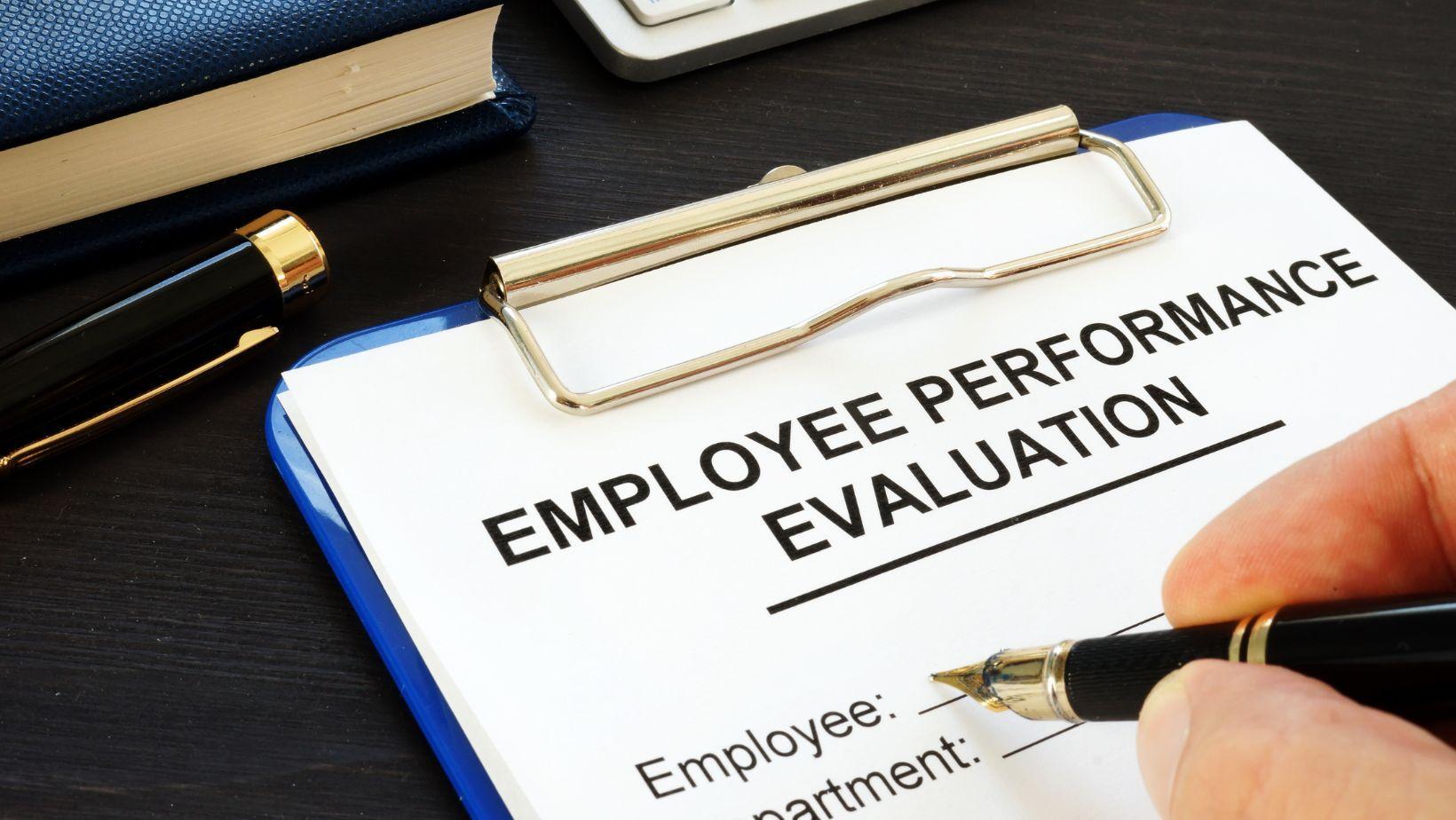
Every company wants employees who perform at their best. But boosting performance is not just about asking people to work harder. HR teams play a key role in creating the right environment and using the right strategies. Let me explain five strategies that really work to improve employee performance. I have covered all the important steps, so you can see what makes a difference.
1. Set Clear Goals
Employees perform better when they know exactly what is expected of them. Vague instructions lead to confusion and wasted effort.
Let me explain. Setting clear goals means defining what success looks like. Goals should be specific, measurable, and achievable. For example, instead of saying “improve sales,” you can say “increase sales by 10% in the next quarter.”
It also helps to share these goals with employees regularly. When people understand their targets and how they contribute to the company, they stay motivated and focused.
2. Provide Regular Feedback
Feedback is one of the most powerful ways to boost performance. Many employees wait months for a performance review, but this is not enough.
Let me explain. Feedback should be regular and constructive. Tell employees what they are doing well and where they can improve. Praise good work, and provide guidance on mistakes.
Regular feedback creates a culture of learning and improvement. It shows employees that HR and management care about their development. It also prevents small problems from becoming bigger issues.
3. Invest in Training and Development
Employees need the right skills to perform well. Training and development programs help them grow and improve their work.
Let me explain. Training can be formal, like courses and workshops, or informal, like coaching and mentoring. When employees have access to learning opportunities, they feel valued. They are more confident and can handle new challenges.
Investing in employee development also benefits the company. Skilled employees are more productive, creative, and engaged.
4. Recognize and Reward Achievements
Recognition is a simple but powerful motivator. People perform better when they feel appreciated.
Let me explain. Recognition can be public or private. It can be a thank-you note, a small award, or praise in a team meeting. Rewarding achievements does not always have to involve money. Even small gestures show that the company values its employees.
Regular recognition creates a positive work environment. It encourages employees to continue performing at a high level and fosters loyalty.
5. Use the Right Tools to Track Performance
Managing performance is easier with the right tools. They help HR and managers track goals, feedback, and development consistently.
Let me explain. Performance tracking ensures that everyone knows what is happening and helps identify areas for improvement early. Tools can also help with analytics, so HR can see trends across teams and departments.
Many companies rely on performance management software to simplify these tasks. This type of software keeps everything in one place, from reviews and feedback to goal tracking and reporting. It saves time and reduces errors, allowing managers and HR to focus on supporting employees rather than paperwork.
Conclusion
Boosting employee performance is not about pushing harder or demanding more. It is about setting clear goals, giving regular feedback, investing in training, recognizing achievements, and using the right tools.
When HR applies these strategies consistently, employees become more confident, productive, and engaged. It also builds a positive culture where people feel supported.
Start with one strategy and add the others gradually. Over time, these small improvements create big results. Your HR team and employees will thank you for it.