

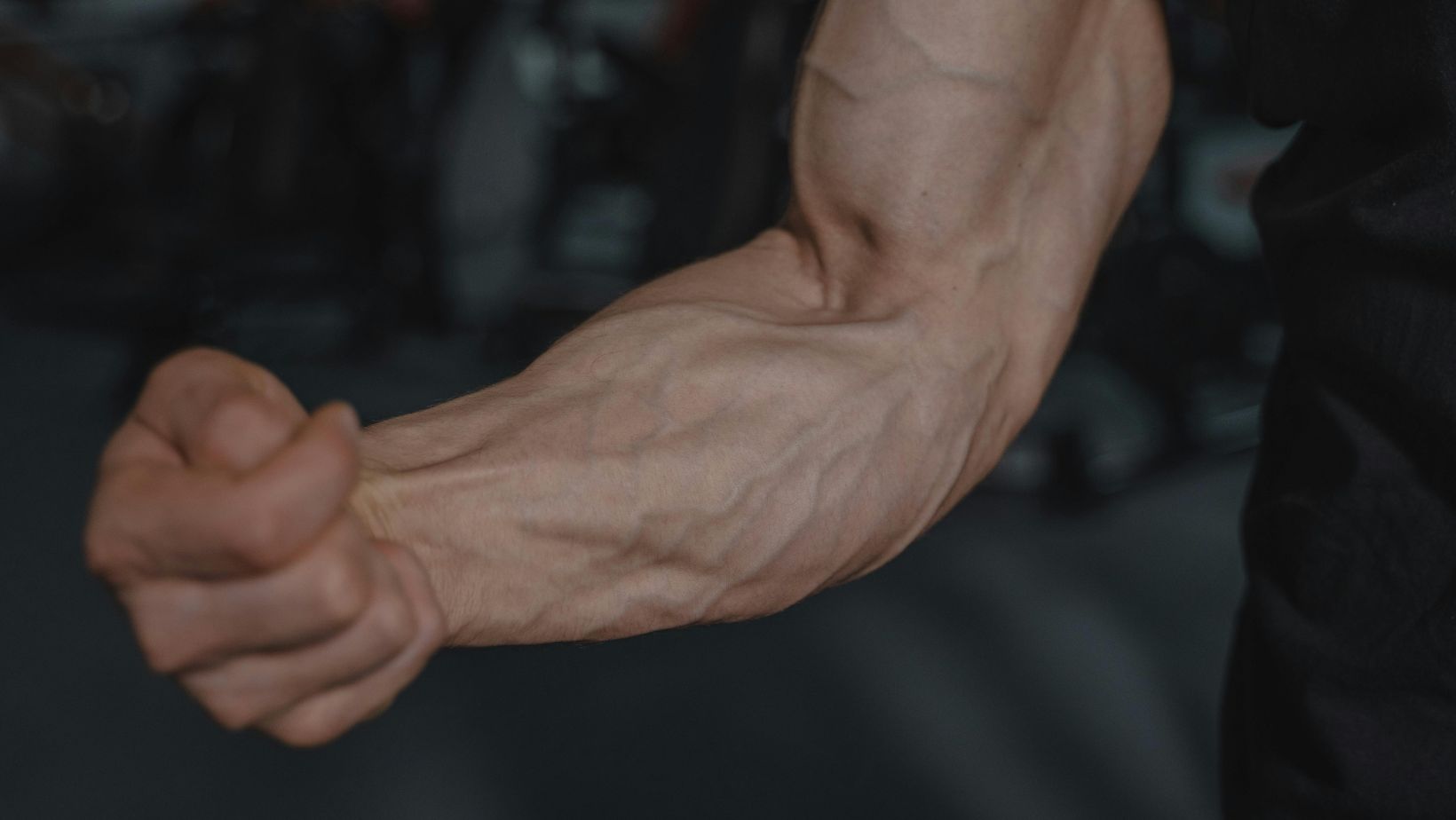
In today’s fast-paced world, maintaining optimal vein health is essential for overall wellness. Poor circulation can affect physical comfort and may lead to serious health complications if left untreated. For those seeking expert care, Metro Vein Centers offer advanced treatments and guidance to manage common vein disorders effectively.
This article explores comprehensive vein care strategies, from innovative medical treatments to lifestyle adjustments, helping individuals improve circulation, alleviate discomfort, and maintain long-term vascular health.
Understanding Vein Health
Importance of Circulation for Overall Health
Good circulation is vital for every aspect of a person’s health. The veins transport deoxygenated blood back to the heart, ensuring that the body’s organs and tissues receive the oxygen and nutrients they need to function optimally. When circulation is impaired, it can manifest in various ways, including fatigue, swelling, and discomfort, significantly affecting one’s quality of life.
Common Vein Disorders and Their Impact
Several disorders can compromise vein health. Conditions such as varicose veins and chronic venous insufficiency arise when veins become dilated or valves fail to properly close, allowing blood to pool. This can lead to discomfort, swelling, and in severe cases, skin ulcers. Understanding these conditions helps in identifying the right treatment options and preventive measures.
Innovative Treatments for Vein Care
Endovenous Laser Treatment (EVLT)
Endovenous Laser Treatment (EVLT) represents a significant advancement in the field of vein care. This minimally invasive procedure uses laser energy to close off problematic veins. By targeting the faulty vein, blood flow is redirected to healthier counterparts, reducing pain and discomfort associated with venous disorders. The process is typically outpatient and involves minimal recovery time, making it a preferred choice for many.
Sclerotherapy: The Solution for Varicose Veins
Sclerotherapy is another effective treatment that involves injecting a solution directly into the affected veins. This solution causes the vein to collapse, eventually fading from view. It is particularly useful for individuals struggling with visible varicose veins. With a high success rate and minimal side effects, sclerotherapy is a go-to option for those seeking a non-surgical solution.
Compression Therapy Techniques
Advantages of Compression Therapy
Compression therapy is a widely recommended approach for managing vein health. By applying pressure to the legs, compression garments help improve blood circulation and reduce the risk of blood pooling. These garments are particularly beneficial for pregnant women and those with existing vein disorders. They not only provide relief from swelling but also prevent further progression of vein issues.
Choosing the Right Compression Garment
Choosing the correct compression garment involves understanding the level of compression needed based on individual conditions. Graduated compression stockings, which offer the most pressure at the ankle and decrease up the leg, are often recommended. Consulting a healthcare professional can guide individuals in selecting the right type and size for optimal results.
Lifestyle Adjustments for Enhanced Vein Health
Dietary Recommendations for Circulation
An effective way to enhance vein health is through a balanced diet rich in fruits, vegetables, whole grains, and lean proteins. Foods high in fiber, such as beans and leafy greens, help promote healthy circulation. Also, incorporating foods rich in omega-3 fatty acids, such as fatty fish and flaxseeds, can help improve blood flow and reduce inflammation.
Exercise and Its Role in Vein Health
Regular physical activity plays a crucial role in maintaining healthy veins. Activities that involve leg movement, such as walking, cycling, and swimming, can encourage better circulation. Exercise strengthens the muscles that support veins, eventually enabling more efficient blood flow and reducing the risk of vein-related issues.
When to Seek Professional Help
Signs Indicating a Need for Consultation
Individuals should be vigilant about any symptoms signaling potential vein issues, such as persistent pain, swelling, or the appearance of varicose veins. If these symptoms arise, it may be time to consult a healthcare provider to assess vein health and explore treatment options.
What to Expect During a Vein Consultation
During a vein consultation, the healthcare provider will conduct a thorough examination and may perform ultrasound imaging to assess blood flow in the legs. Based on the findings, the provider will discuss potential treatments and lifestyle changes tailored to individual needs. This proactive approach ensures that patients receive appropriate care that addresses their specific concerns.
Conclusion
Advanced vein care encompasses a variety of innovative treatments and lifestyle adjustments that significantly improve circulation and comfort. By understanding the importance of vein health and recognizing the signs of common disorders, individuals can take proactive steps toward maintaining optimal vein function. With options like EVLT and sclerotherapy, combined with lifestyle changes such as diet and exercise, achieving better vein health is not just possible, it’s attainable.