

Casinos have been featured in movies, TV shows, songs, novels and advertisements for ages. They are not only good for gambling, they are good for all. They offer the storyteller an instantly available universe of peril, desire, suspense and unexpected shifts.
The action could be set at a sophisticated Monte Carlo table or in a bustling modern gaming venue, and from the start, audiences will grasp the stakes involved. Someone wants something, the result is not guaranteed, and anything might change in an instant.
A Place for Suspense in the Natural Environment.
Every good story has uncertainty; this is what casino games have.
After someone places a wager, the viewers have to wait for the result. This little pause sets up a tension and doesn't need a long explanation. A card is flipped up, a wheel stops or the dice land and the story takes a new course.
Often, filmmakers prolong these moments through the details they capture. A high-strung hand extends to a second chip. One player observes the expression of another player. As the last card is put down, there is a lull in the conversation. Even those unacquainted with all the rules can appreciate the stress.
Casino scenes are very efficient for this reason. They can show confidence, fear, greed and desperation in a matter of minutes. Someone who looks hesitant may make a huge leap, and a strong man may find himself going haywire when bad luck strikes.
Casino's Design a Unique Visual World
Casinos are also in high demand since they appear presentable on the screen.
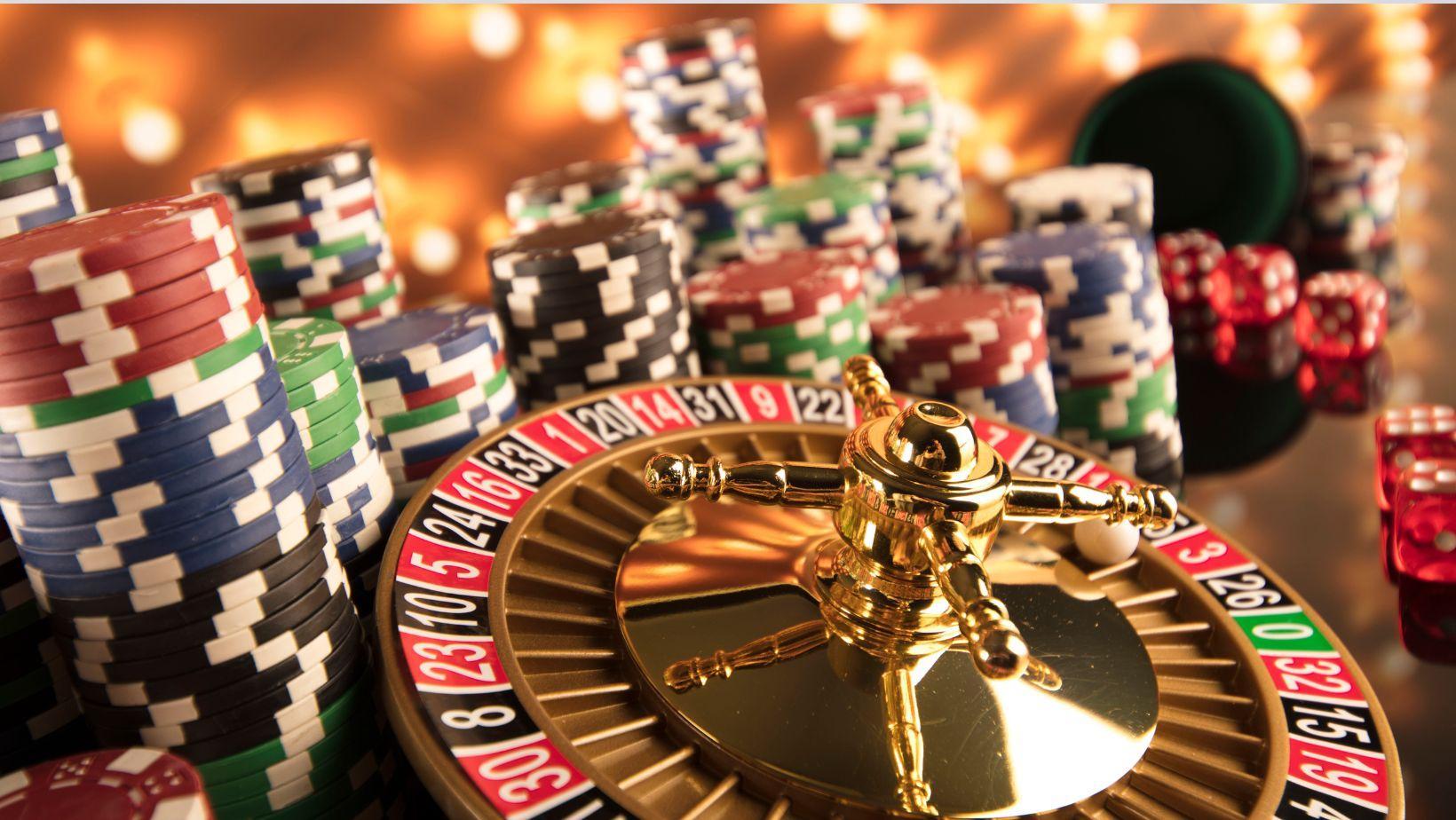
Directors have good visuals at their disposal in the form of playing cards, poker chips, roulette wheels and gaming tables. Dark rooms, sharp lights and well dressed groups of people can set the scene for an atmosphere that's glamorous, secretive or threatening.
The setting may vary from story to story. One movie can have a casino as a symbol of luxury and sophistication. In another, it can be anxiety-ridden and volatile. The bustle of a lively gaming floor can bring the feel of excitement, whereas an almost empty casino can give the impression of loneliness or a downfall.
Casino scenes are also used to convey status by costume designers. The formal evening wear implies exclusivity, whereas the local card room is crowded and sets a more relaxed and competitive tone. There are few places where filmmakers can glide between glitz and apprehension as they can here.
Casino Royale to Ocean's Eleven
Casino games have been used in some of the most iconic scenes in cinema.
At the poker table, it is a psychological war in Casino Royale. James Bond is not just playing a game, he's reading the opponent, controlling his emotions and handling a tremendous amount of pressure. The scene is successful because in poker, intelligence and personality enter into the action.
Casinos are employed differently in the Ocean's Eleven movies. Here, they are a symbol of complexity, wealth and security. The casino is a target but also a tightly controlled system which the characters need to understand and navigate.
Casino by Martin Scorsese delves into the behind-the-scenes action. The movie is not just about the excitement of the gaming floor, but also about the business, relationships and violence that surround it. The casino is now a place of power and where that power can swiftly vanish.
The films are completely different, but each of them deals with the issue of control in the context of a casino. Characters think they know the rules of the game, the system or people around them. The drama starts when their confidence is put to the test.
Games Offer Ready-Made Metaphors
Casino vocabulary is now part of everyday parlance as games offer straightforward metaphors to complex situations.
Individuals “play their cards right”, “raise the stakes”, “call someone's bluff” or “the odds are against them”. Even if it isn't a gambling game or money, a risky move can be defined as a gamble.
These expressions are used by writers because they are understood right away by the audience. Poker is the act of concealing your feelings and playing things cool. The word "roulette" is linked to luck and randomness. In blackjack, the " +1 " could represent taking a risk, whereas the dice might signify accepting the result.
You can thus back narratives of politics, relationships, business, or a person's own ambitions in a casino game. The characters don't necessarily have to be gamblers. The language of gambling can be used to illustrate instances where one has to make a decision without further information.
Music Is Drawn to Risk and Fortune
Gambler imagery has also been continually used by musicians.
“The Gambler” is a card game by Kenny Rogers that teaches a lesson about judgement, timing and when to quit while you're ahead. Poker Face” by Lady Gaga: Metaphor of hiding emotions and intentions. The song “Viva Las Vegas” by Elvis Presley was about the excitement and the action of the city's entertainment industry.
Luck, cards, dice and jackpots are used in rock, pop, country and hip-hop. Sometimes the picture is one of confidence and success. Otherwise, it's about emotional risk, troubled relationships or the side effects of going for an impossible goal.
The appeal is very clear. Gambling jargon is dense and emotionally charged. Listener can hear "all in" and know what it means and understand the concept of full commitment and potential failure.
The Casino as a “Place of Reinvention”
In popular culture, the casino is often seen as a place where the rules are put aside for a while.
Visitors wear different clothes, go to bed late and enter a world that is geared towards possibility. You can show up in the world one way and leave another! While it's not always as easy as it sounds in fiction, it's a great story concept.
That's why there are often stories about casino settings.That is why casino settings are often mentioned in stories of reinvention. The characters visit them in an attempt to escape from the past and/or to try out a new identity or to look for a different situation. The game room turns into a location in between their life and their dreams.
The most obvious example of this is Las Vegas and, more recently, Las Vegas has become the sole example. The European ambiance and old money that Monte Carlo conveys, combined with the hidden, perilous vibes that succulent subterranean casinos evoke. The theme of risk is supplemented with cultural connotations for each location.
Casino Culture is now available online.
The way people experience casino imagery has evolved with digital entertainment. The experience is no longer a physical place like Las Vegas, Macau or Monte Carlo.
Elements that are familiar are recreated on online platforms with the use of animated cards, digital tables, live dealer streams and themed slot games. For instance, Miki Casino illustrates how classic casino symbols have evolved for modern screens and mobile gadgets.
The other influence is in reverse. Today's games are increasingly taking inspiration from movies, TV shows, mythology, music and celebrity culture. Many games are not just mechanical simulations, but little entertainment productions with sound tracks and character led stories and animated movies.
The culture of the casino and the popular culture now constantly borrow from each other. Film shapes games, games take film techniques and vice versa, both create imagery which is shared throughout social media, music videos and advertising.
Why is the Theme still successful?What makes the Theme still successful?
The overall attraction of a casino story doesn't alter much, but the entertainment shifts rapidly.
Each Casino Game has a definitive question: what occurs next?
The question generates expectation. It gives viewers the opportunity to visualize failure and success simultaneously. It also puts human behaviour into perspective. Some are cool, some are crazy, and some find that winning doesn't fix the problem they were hoping to fix.
These conflicts provide a lot of material for writers, directors and musicians. A casino need not be exciting, not safe, not luxurious, nor not familiar, nor not predictable.
More Than a Place to Play
It's not just the games that make the casino so culturally influential. It's coming from the things those games enable artists to explore.
Playing a deck of cards can tell you a person's skill at bluffing. The roulette wheel is a symbol of life's uncertainty. Ambition, loyalty or desperation are all revealed when wagering a single bet. The setting creates immediate consequences for stories, while being visually and emotionally captivating.
This is one of the reasons why you will still see casino games in movies, music and popular culture. They provide a common dramatic concept, that of making choices when an outcome is uncertain.
While audiences continue to be captivated by the idea of luck, risk, and potential for a sudden shift, the casino will continue to be one of popular culture's most interesting settings.