

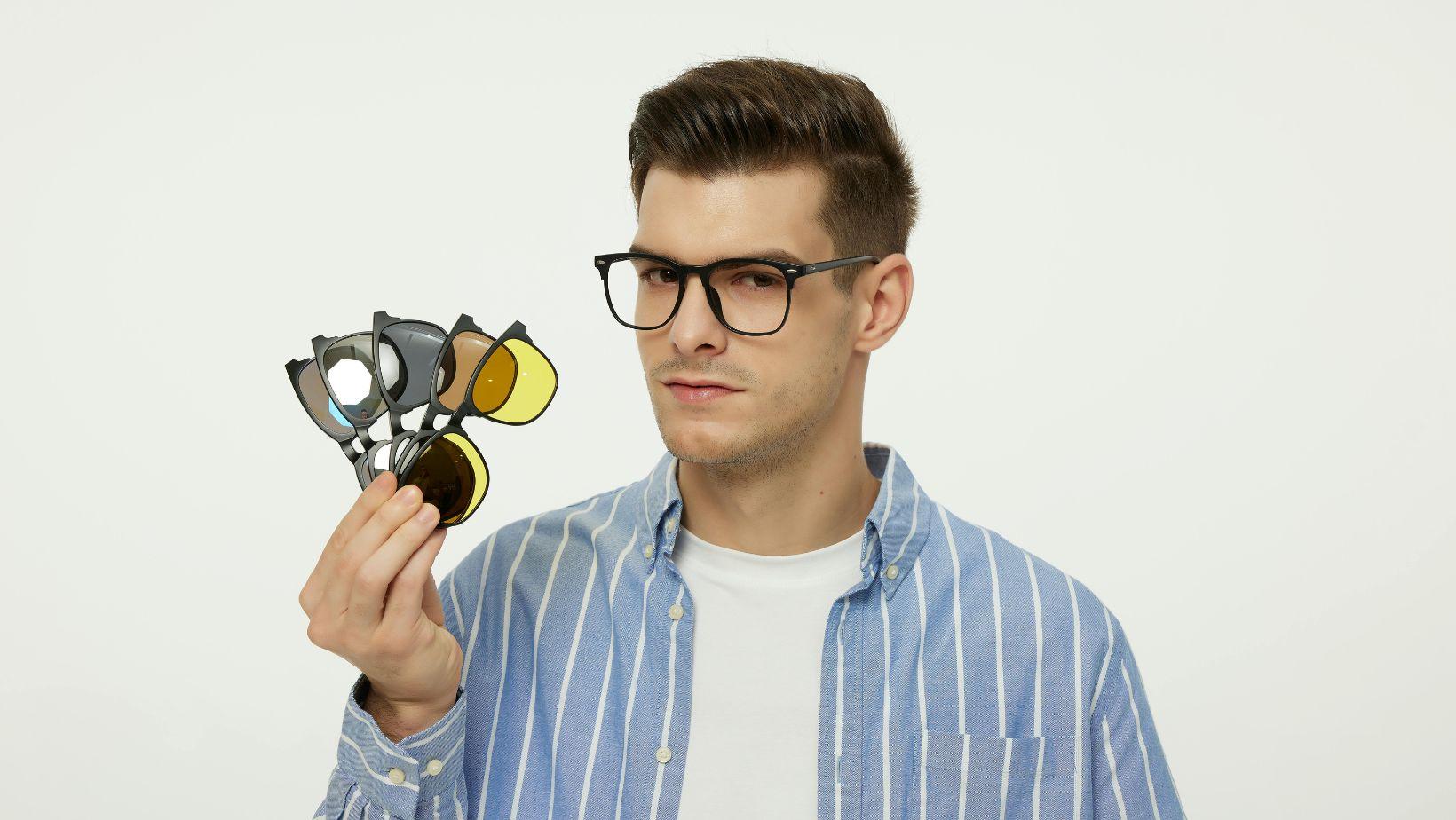
You buy eyewear to hide facial asymmetry and broadcast a specific socioeconomic status. That is the marketing reality. The physiological reality is far more clinical. You need tinted lenses because ultraviolet radiation physically burns the surface of your eyeball, accelerating cellular decay and blinding you over time. The most helpful insight you can take away right now is this: prioritize a UV400 rating over brand prestige, avoid dark lenses that lack UV protection, and understand that you are buying injection-molded plastic marked up by a margin that would make a pharmaceutical executive blush.
Most consumers sleepwalk through their purchasing decisions. They equate a heavy frame with quality. They equate a high price tag with superior optical clarity. Neither assumption holds up under scrutiny.
A Comprehensive Overview of the Acetate Empire
The eyewear industry operates on engineered perception. Companies spend millions convincing you that a piece of curved polycarbonate is a lifestyle artifact. In our informative articles covering modern consumer habits, we frequently expose this exact psychological loop.
You pay for the logo stamped on the temple. The actual materials cost fractions of a penny on the dollar.
Acetate is just a nylon-based plastic derived from wood pulp. It feels premium. It allows for rich, layered colors. But it is fundamentally cheap to produce. Injection-molded plastic is even cheaper, churned out by the millions in overseas factories. Lenses are rarely glass anymore. They are CR-39 polymer or polycarbonate. They shatter less. They scratch more. They cost virtually nothing to mold.
Yet, you swipe your card. You do it because an Italian conglomerate functionally owns the entire supply chain, controlling both the manufacturing of the frames and the retail stores that sell them. They set the price floor. You pay the toll.
Why do luxury frames feel heavier and more durable?
Wire cores. Premium acetate frames contain a metal wire running through the temples. This allows opticians to heat and bend the plastic to fit your skull. It adds weight. Humans instinctively associate weight with value. It is a biological heuristic manipulated by product designers.
Is glass better than plastic for lenses?
A: Optically, yes. Glass offers superior clarity and high scratch resistance. Practically, it is heavy and shatters upon impact. Unless you enjoy picking shards of glass out of your cornea after a steering wheel airbag deployment, stick to polycarbonate.
What Actually Happens to Your Eyes Under the Sun?
Biology does not care about your aesthetic preferences. The sun operates as a massive, unfeeling nuclear reactor bombarding the planet with electromagnetic radiation.
The ozone layer filters out UVC. It misses the rest. Nearly all of the ultraviolet radiation received on Earth is UVA. UVA penetrates deep into the skin and eyes. UVB causes immediate sunburn and photokeratitis, which is effectively a sunburn on your cornea.
This is not a hypothetical risk. It is a statistical certainty.
When you walk outside without adequate optical protection, you are inviting cumulative cellular damage. Over time, proteins in the eye’s lens unravel, tangle, and accumulate pigments. This clouds the lens. The World Health Organization estimates that 15 million people are blind due to cataracts, and a measurable percentage of these cases are directly tied to lifelong, unprotected sun exposure.
A $5 pair of gas station aviators with a fake UV sticker is actively dangerous. When you place a dark tint over your eyes, your pupils dilate to let in more light. If that dark lens does not block UV rays, you have just opened the aperture of your eye wider, allowing a concentrated dose of radiation to flood your retina.
How Big is the Global Eyewear Racket?
The numbers defy logic. People complain about the cost of housing and groceries, then casually drop a car payment on a seasonal accessory.
The global market for these tinted polymers is expanding aggressively. Grand View Research projects the global sunglasses market is projected to reach $111.6 billion by 2033. That is a compound annual growth rate in the double digits.
Growth is driven by fear and vanity. Rising awareness of UV-induced eye diseases pushes the pragmatic buyers. Rapidly cycling fashion trends push the rest. Brands release limited-edition colorways to create artificial scarcity, turning a functional medical device into a hype-beast commodity.
How to Choose the Right Frame Without Getting Played
Selecting a frame is an exercise in applied geometry. You want contrast. Round faces need harsh angles. Square faces need sweeping curves. If you possess a jawline that looks like a cinderblock, do not buy rectangular frames. You will look like a robot.
When you browse for sunglasses for men, stop looking at the brand name first. Look at the hinges.
Here is the exact hierarchy of features you must evaluate before making a purchase:
UV400 Certification: This means the lens blocks 99 to 100 percent of UVA and UVB light. If the frame does not explicitly state this, throw it in the trash.
Hinge Construction: Standard hinges break. Barrel hinges are durable. Spring hinges offer flex and prevent the frame from stretching out over a wide skull.
Lens Material: Polycarbonate for sports and driving. CR-39 for everyday fashion wear.
Fit and Bridge Width: If the frame rests on your cheeks and lifts off your nose when you smile, the fit is wrong. The bridge must match the natural width of your nose.
Do Polarized Lenses Matter or Is It Just Marketing?
What is polarization?
Light waves oscillate in all directions. When light bounces off a flat, reflective surface like asphalt, water, or a car hood, the waves align horizontally. This creates an intense, blinding glare. A polarized lens contains a microscopic chemical film applied in a vertical pattern. It operates like a set of Venetian blinds. It blocks the horizontal light while letting vertical light pass through.
Do I actually need it?
If you drive, fish, or ski, yes. Glare causes eye fatigue. It increases reaction time on the highway. If you are just sitting on a patio drinking an overpriced espresso, polarization is entirely unnecessary.
In fact, polarization can be a liability. It blacks out LCD screens. Try reading a digital dashboard, a smartphone, or an aviation instrument panel while wearing polarized lenses. The screen goes entirely dark. Pilots are actively discouraged from wearing them.
What Are the Long-Term Health Impacts of Ignoring UV Exposure?
Men have a tendency to ignore preventative maintenance. They change the oil in their trucks but ignore their own biology.
Skipping UV protection results in compounding physical degradation. The damage is not visible until the symptoms manifest aggressively. Constant exposure leads to ocular problems ranging from benign conditions like pterygium to ocular malignancies such as basal cell carcinoma on the eyelids.
Pterygium is affectionately known as "surfer's eye." It is a fleshy, wedge-shaped growth of the conjunctiva that creeps across the surface of the eye. It looks horrific. It feels like having a permanent grain of sand trapped under your eyelid. Surgeons have to physically scrape it off the eyeball. It frequently grows back.
Your retinas are essentially exposed brain tissue. They do not regenerate easily.
The Origins of Modern Frame Styles
Every silhouette you wear today was designed decades ago. There is no modern innovation in eyewear shapes, only relentless recycling. We routinely dissect these repetitive fashion cycles in our latest cultural essays, observing how military surplus becomes high fashion.
The Aviator: Developed by Bausch & Lomb in the 1930s to replace the bulky goggles worn by test pilots. The teardrop shape wasn't a fashion statement. It was engineered to cover the entire field of vision and prevent light from entering the eye while looking down at an instrument panel.
The Wayfarer: Launched in 1952. It marked a radical shift from metal frames to molded plastics. Mid-century designers loved plastic. It represented modernity.
The Clubmaster: Also known as the browline frame. Extremely popular in the 1950s among intellectuals, civil rights leaders, and NASA engineers. The heavy plastic top draws attention to the natural brow line, framing the face.
The industry repackages these three core designs every spring. They alter the tortoise shell pattern slightly. They shrink the lens height by two millimeters. They declare it a revolution.
You are being sold the same geometry your grandfather wore, manufactured with cheaper materials, at a 5,000 percent markup. We document these strange economic realities because they highlight the absurdities of daily life, fitting perfectly into the catalog of everyday oddities that dictate consumer behavior.
Stop buying for the logo. Check the hinges. Verify the UV rating.