

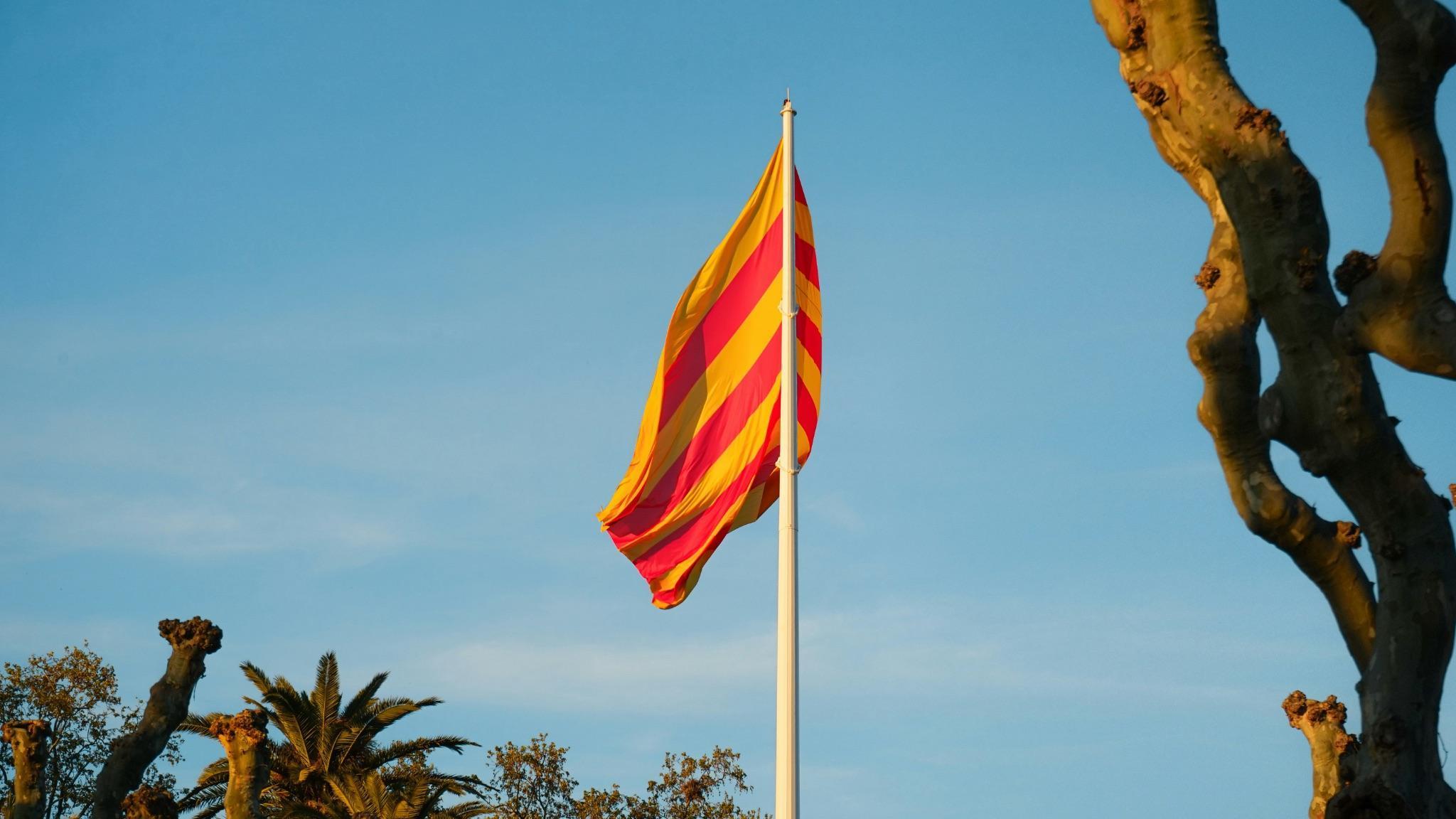
A Country of Distinctive Rhythms
Spain changes noticeably as you travel across it. The wide central plateau has a dry, expansive character, while the Mediterranean coast brings greener landscapes, warmer evenings and cities shaped by centuries of maritime exchange.
The country’s geography has played a major role in creating its regional identities. Castile developed around the high interior plateau, Catalonia grew through its connection with the Mediterranean and major trading centres, while communities in the north and south developed their own languages, customs and culinary traditions.
A cross-country journey therefore reveals far more than a sequence of famous destinations. It shows how architecture, food, climate and local traditions change with the landscape.
Madrid at the Heart of Spain
Madrid occupies an unusual position within Europe. It is one of the continent’s highest capital cities, sitting on the central plateau at an altitude that contributes to its distinctive climate.
The city grew significantly after becoming the permanent seat of the Spanish monarchy in the sixteenth century. Its grand boulevards and public buildings reflect that political importance, but Madrid’s personality is equally apparent in its neighbourhood streets.
The Museo del Prado is one of the capital’s greatest cultural attractions, with masterpieces by Spanish painters including Velázquez, Goya and El Greco.
Nearby Retiro Park offers a complete change of pace. Once associated with the royal family, the extensive gardens now provide residents and visitors with a place to walk, row boats and escape the intensity of the surrounding avenues.
Across the Castilian Interior
Beyond Madrid, the central plateau opens into broad agricultural landscapes. Wheat fields, vineyards and small settlements occupy large areas, while historic towns appear as reminders of Spain’s medieval past.
Toledo is one of the most fascinating places to explore in this region. The city occupies a hill above the Tagus and contains an extraordinary mixture of Christian, Jewish and Islamic architectural influences.
The old streets are narrow and often steep, leading towards churches, former synagogues and historic houses. The city’s cathedral dominates the centre, while the former Jewish Quarter provides a different perspective on Toledo’s multicultural history.
Further north, Segovia is famous for its Roman aqueduct, which remains remarkably well preserved. The Alcázar rises dramatically at the end of the old town, creating a striking silhouette above the surrounding countryside.
Madrid and Barcelona by Rail
The Madrid to Barcelona train provides a fast connection between Spain’s central capital and its Mediterranean counterpart. Rather than treating the two cities as isolated destinations, travelling between them offers a useful way to appreciate the scale and variety of the country.
The route crosses the interior before reaching Catalonia, where the landscape gradually takes on a different character. Agricultural areas, smaller towns and distant mountain ranges appear along the way.
High-speed rail has also made it easier to combine Madrid and Barcelona within the same itinerary without spending most of a day travelling.
The contrast between the destinations is considerable. Madrid’s identity is rooted in its role as the national capital, while Barcelona has developed through a particularly strong relationship with Catalonia and the Mediterranean.
Barcelona’s Catalan Identity
Barcelona is one of Europe’s most recognisable cities, but its appeal goes beyond its architectural landmarks.
Catalan culture remains central to local life. The Catalan language is widely used alongside Spanish, while regional festivals, food and traditions continue to shape the city’s identity.
The Gothic Quarter contains some of Barcelona’s oldest surviving streets, although the city’s most distinctive architecture emerged much later.
Antoni Gaudí transformed the visual character of Barcelona through buildings such as Casa Batlló and Casa Milà. His work combined organic forms, unusual structural solutions and elaborate decoration.
The Sagrada Família remains his most ambitious project. Construction has continued for generations, and the basilica’s towers have become an inseparable part of Barcelona’s skyline.
From Barcelona Back Towards the Capital
For travellers planning the reverse journey, the Barcelona to Madrid train provides another opportunity to cross the Spanish interior efficiently.
The direction of travel may be different, but the contrast remains. Leaving Barcelona means gradually moving away from the Mediterranean environment and back towards the high plateau surrounding Madrid.
This journey can be particularly interesting when combined with stops in smaller cities or historic towns along the broader route. Spain’s interior is often overlooked by visitors who concentrate on the major coastal destinations, yet it contains some of the country’s most significant monuments.
Travelling through the centre also makes the geographical differences easier to appreciate. The Mediterranean climate does not simply extend across the entire country, and the plateau has its own distinctive weather, agriculture and architecture.
The Catalan Coast
Barcelona provides access to a coastline that extends well beyond the city itself. The Costa Brava stretches north towards the French border, combining rocky coves, fishing communities and resort towns.
Tossa de Mar is particularly attractive for its fortified old town, where medieval walls overlook the Mediterranean.
Further north, Cadaqués has long attracted artists and writers. Whitewashed houses cluster around the bay, while narrow streets climb away from the waterfront.
The area around Cap de Creus becomes increasingly rugged. Rocky headlands and windswept landscapes contrast with the more developed stretches of coastline closer to Barcelona.
These coastal communities demonstrate how varied Catalonia can be within a relatively small area.
Wine Country Beyond the Cities
Wine provides another way to explore Spain’s regional differences. Vineyards can be found across much of the country, but individual regions have developed distinctive grape varieties and production methods.
Catalonia is home to several important wine-producing areas. Penedès, close to Barcelona, is particularly associated with sparkling cava.
The landscape around the vineyards changes throughout the year. Spring brings fresh green growth, summer produces fuller foliage and autumn transforms the fields during harvest.
Wine estates often sit among small villages and agricultural landscapes, offering a slower alternative to the energy of Barcelona.
In central Spain, vineyards occupy a drier environment. The contrast demonstrates how climate and soil influence both farming traditions and the character of the resulting wines.
Food Across the Peninsula
Spanish cuisine becomes particularly interesting when regional dishes are compared.
Madrid’s cooking reflects its inland location. Cocido madrileño, a substantial stew made with chickpeas, meat and vegetables, is traditionally associated with colder months.
Catalonia offers a different combination of ingredients. Pa amb tomàquet, grilled bread rubbed with tomato and finished with olive oil and salt, is a simple but deeply rooted part of local cuisine.
Escalivada uses roasted peppers, aubergines and other vegetables, reflecting the Mediterranean emphasis on olive oil and fresh produce.
Markets remain among the best places to encounter these traditions. Barcelona’s neighbourhood markets and Madrid’s food halls both reveal how regional ingredients continue to shape contemporary eating habits.
Mountains Above Catalonia
The Pyrenees rise to the north of Catalonia, creating a dramatic contrast with the coastline.
Mountain towns provide access to hiking routes, ski resorts and Romanesque churches scattered through valleys.
The Vall de Boí is particularly notable for its collection of Romanesque churches, several of which are recognised for their historical and artistic significance.
Further east, the Montserrat massif presents a striking geological formation with rounded rock peaks rising above the surrounding countryside.
Montserrat is also an important religious destination because of its Benedictine monastery and the Black Madonna associated with the site.
The mountain’s unusual shapes and elevated position make it one of Catalonia’s most distinctive landscapes.
Spain’s Interior After Dark
Madrid and Barcelona both demonstrate that Spanish cities take on a different character after sunset.
Madrid’s plazas and terraces remain lively late into the evening, with dinner often taking place considerably later than visitors from northern Europe might expect.
Barcelona has its own evening rhythm, from neighbourhood bars to restaurants overlooking the sea.
Yet smaller Spanish cities can offer an equally memorable experience. Historic centres become quieter after the daytime heat, while local squares fill with residents meeting friends and family.
The evening is therefore not simply an extension of sightseeing. It is an important part of social life and provides another way to understand regional differences.
A Journey Between Two Worlds
Travelling between Madrid and Barcelona reveals a Spain that cannot be reduced to beaches, flamenco or historic monuments. The central plateau has its own traditions, landscapes and architectural heritage, while Catalonia brings a strong Mediterranean and regional identity.
Madrid represents the political and cultural centre of modern Spain, with museums, royal institutions and a diverse urban population. Barcelona combines Catalan traditions with an international outlook and a remarkable architectural legacy.
Between them lies a vast interior of fields, historic towns and mountain horizons. Beyond Barcelona, the Mediterranean opens towards beaches, fishing villages and the rugged Costa Brava.
The most rewarding way to experience Spain is to recognise these differences rather than treating them as variations of the same destination. From the dry Castilian plains to the rocky Catalan coast, every change in scenery introduces another part of the country’s character.
That diversity is what gives a cross-country journey its appeal. Spain’s spirit is not concentrated in one city or one tradition. It emerges through the contrast between regions, the movement between landscapes and the everyday customs that continue to make each part of the country distinct.