

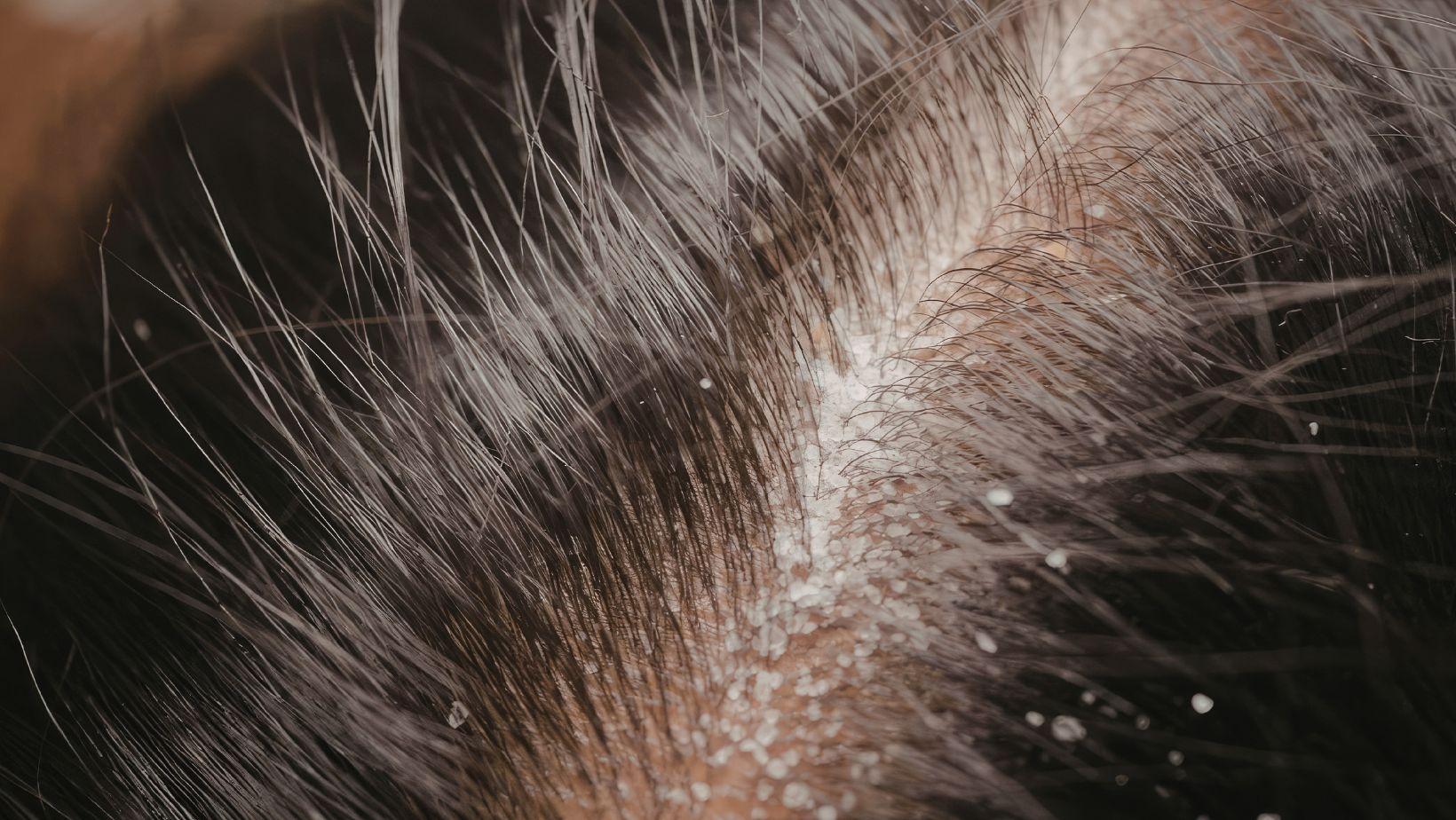
Dandruff is one of the most common scalp conditions, yet it remains widely misunderstood. Many people treat it as a hygiene issue when it is actually a physiological one. Others switch between dozens of products looking for relief, not realizing that the missing piece is often a conditioning step rather than a stronger shampoo. Understanding what causes dandruff and how to address it properly is the first step toward genuine relief.
What Actually Causes Dandruff
Dandruff is not caused by a dry scalp alone, though dry skin is a contributing factor for some people. The primary driver in most cases is a naturally occurring fungus called Malassezia, which lives on everyone's scalp. In some individuals, it triggers an inflammatory response that causes the scalp skin to shed at an accelerated rate, producing the visible white or yellowish flakes associated with the condition.
Other contributing factors include hormonal fluctuations, stress, excess oil production, certain hair care products, and sensitivity to ingredients in shampoos or conditioners. Because multiple factors can be involved, the most effective approach combines active treatment with supportive care.
Why Conditioner Matters for Scalp Health
Most people's dandruff routines focus entirely on shampoo. Medicated shampoos containing zinc pyrithione, selenium sulfide, or ketoconazole do help control the fungal component of dandruff. However, they also tend to be drying, and a dry scalp can become flaky and irritated regardless of fungal activity.
This is where a dedicated scalp conditioner for dandruff fills a gap that shampoo alone cannot close. A conditioner formulated for the scalp helps restore moisture balance, soothe inflammation, and support a healthier skin barrier without undoing the work of your cleansing step. Look for products with ingredients like aloe vera, tea tree oil, niacinamide, or colloidal oatmeal, which address both dryness and irritation.
Building an Effective Anti-Dandruff Routine
Start with a medicated shampoo two or three times per week. Apply it directly to the scalp, work it in gently, and allow it to sit for at least two minutes before rinsing. This contact time is important for the active ingredients to work.
Follow with a scalp-specific conditioner. Apply it to the mid-lengths and ends as you would any conditioner, but also gently work a small amount onto the scalp itself if the formula permits. Rinse thoroughly with cool water.
On days you do not use the medicated shampoo, a gentle sulfate-free cleanser keeps the scalp clean without stripping it further. Maintaining this kind of rotation prevents the scalp from drying out between treatments.
Lifestyle Factors That Make Dandruff Worse
Stress is one of the most underappreciated triggers of dandruff flares. Elevated cortisol levels are thought to affect the scalp's immune response and oil production. Regular exercise, adequate sleep, and stress management practices help stabilize the internal environment that the scalp responds to.
Diet also plays a role. Foods high in refined sugars and processed carbohydrates may fuel Malassezia growth, while foods rich in zinc, B vitamins, and omega-3 fatty acids support scalp health from the inside out.
Frequently Asked Questions
Is dandruff contagious? No. Dandruff is a scalp condition related to your individual physiology and the behavior of naturally occurring fungi on your skin. It cannot be passed from person to person.
What is the difference between dandruff and dry scalp? Dry scalp produces small, white, dry flakes and is often associated with tightness or itching. Dandruff tends to produce larger, oilier flakes and is related to sebum production and fungal overgrowth rather than dehydration alone.
Can I use a regular conditioner on my scalp? Regular conditioners are typically formulated for hair strands, not skin. Applying them directly to the scalp can clog follicles and worsen oiliness. A conditioner specifically designed for scalp use is a better choice.
How long does it take to see results from an anti-dandruff routine? Most people see noticeable improvement within two to four weeks of consistent use. Severe cases may take longer or benefit from additional treatment.