

Night blindness and low vision can make common tasks feel overwhelming, affecting people of all ages. Everyday activities, such as reading, driving at dusk, or moving around unfamiliar spaces, are often more difficult for those facing these visual impairments. However, real-world solutions exist that can partially address these challenges and help restore some independence.
Many individuals with night blindness or low vision are unaware of the practical steps they can take to improve day-to-day navigation and comfort. While ordinary prescription glasses are helpful for certain vision problems, specific visual deficits, such as impaired contrast sensitivity, glare sensitivity, or poor dark adaptation, often require purpose-designed eyewear and strategies. Questions about where to buy low vision glasses tend to arise only after persistent frustration or safety concerns, highlighting the importance of early recognition and tailored intervention for these conditions.
Understanding the daily impact of night blindness and low vision
Living with night blindness or low vision affects much more than standard visual clarity. People with these conditions often struggle with common routines, such as reading medication labels in dim light, navigating steps at dusk, or performing household chores when lighting is inconsistent. For many, low vision glasses can support safer movement by improving contrast and reducing visual confusion in challenging environments.
Typical scenarios include finding it hard to recognize faces in low contrast environments, misjudging distances in varying lighting, or feeling anxious in unfamiliar places at night. These issues may persist even with the best prescription glasses and can seriously impact confidence and independence. For some, glasses for people with low vision can help reduce the strain that comes from constantly trying to interpret unclear visual cues.
Practical solutions for common challenges
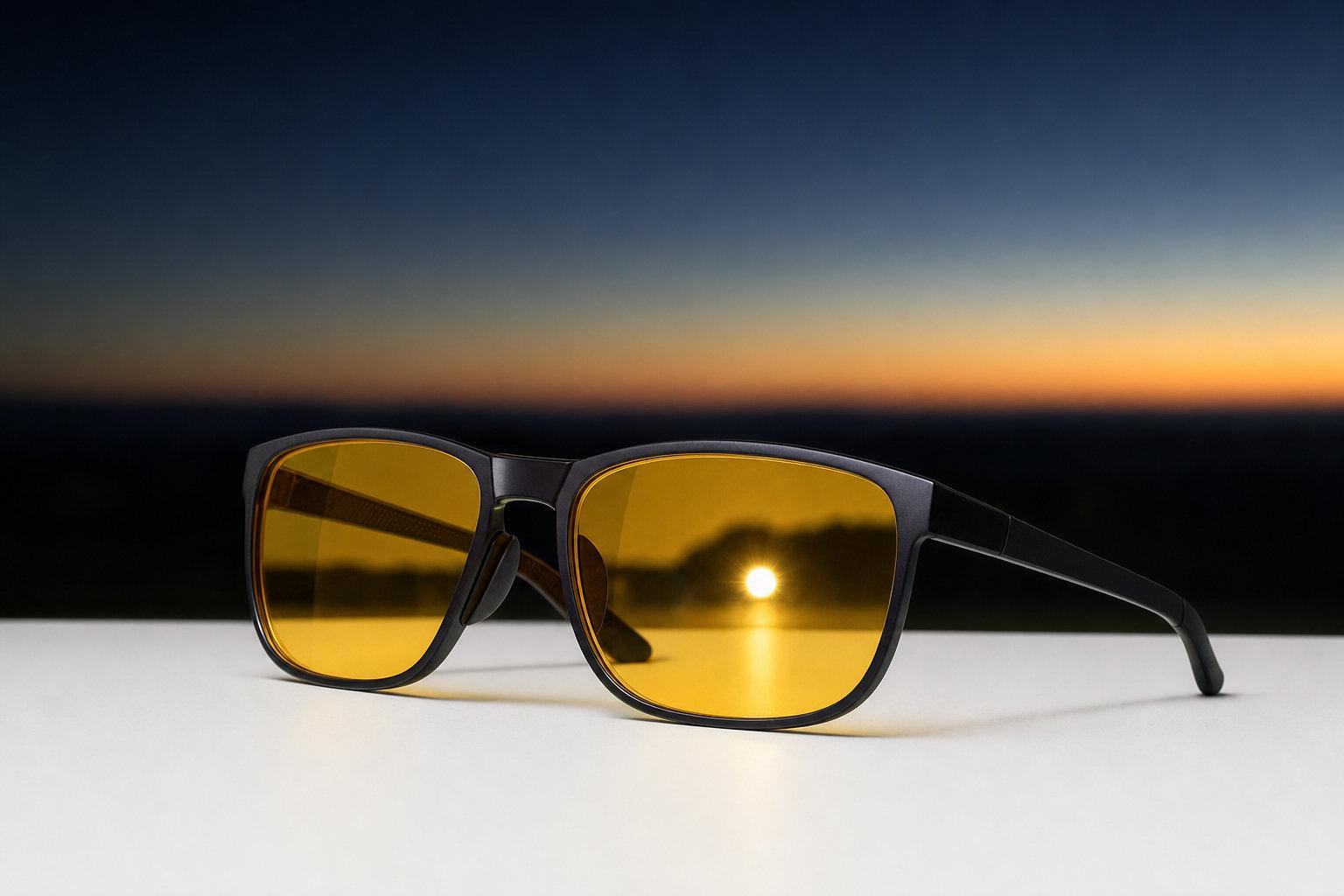
Practical aids exist to help address the everyday challenges of night blindness and low vision. Specialized glasses for people with low vision, including tinted filters, contrast-enhancing lenses, and sunglasses for low vision, can improve visibility during crucial tasks. For example, contrast-enhancing lenses make it easier to distinguish object edges, while low vision sunglasses may help reduce discomfort from bright lights or glare encountered outdoors or in illuminated stores.
Non-optical aids also play a part in overcoming visual barriers. Adjusting in-home lighting, using large-print labels, and adopting task lighting near work areas or reading nooks are strategies that assist many people with low vision. When paired thoughtfully, low vision glasses can make these environmental changes more effective by improving functional sight during specific tasks.
When to seek professional assessment and tailored glasses
If persistent issues remain despite simple adjustments, it is essential to consult an optical specialist or a low-vision rehabilitation center. Describing specific barriers, such as difficulty recognizing faces at dusk, reading screens, or coping with glare from headlights, will help professionals recommend individual solutions. Tailored low vision glasses, for instance, are designed with features for particular needs, including specific tints, glare-reducing coatings, or magnification, to address underlying deficits rather than simply correcting basic refractive error.
After assessment, professionals can explain the best fitted approach and discuss purchasing options depending on a person’s tasks and needs. In some cases, sunglasses for low vision are recommended for daytime travel to manage harsh reflections, while low vision sunglasses can also support comfort in high-glare indoor settings. Purpose-designed eyewear will not fully restore normal vision, but it can make a significant difference for daily independence and safety.
Empowering better living with targeted strategies
The combination of medical assessment, specialized eyewear, and adaptive approaches can effectively reduce the burden of night blindness and low vision on everyday life. Whether improving mobility through glare control, making reading possible with enhanced contrast, or supporting safer movement with task lighting, these practical interventions turn ongoing frustrations into manageable hurdles. Many people find that glasses for people with low vision work best when integrated with consistent lighting habits and clear home organization.
Awareness of the signs and challenges unique to night blindness and low vision is the first step toward addressing them. With collaborative effort between individuals and vision professionals, purposeful solutions can help restore confidence and ability, transforming daily routines from sources of stress to opportunities for independence. In bright conditions, sunglasses for low vision can complement other supports, and low vision sunglasses may further reduce discomfort during frequent outdoor transitions.