

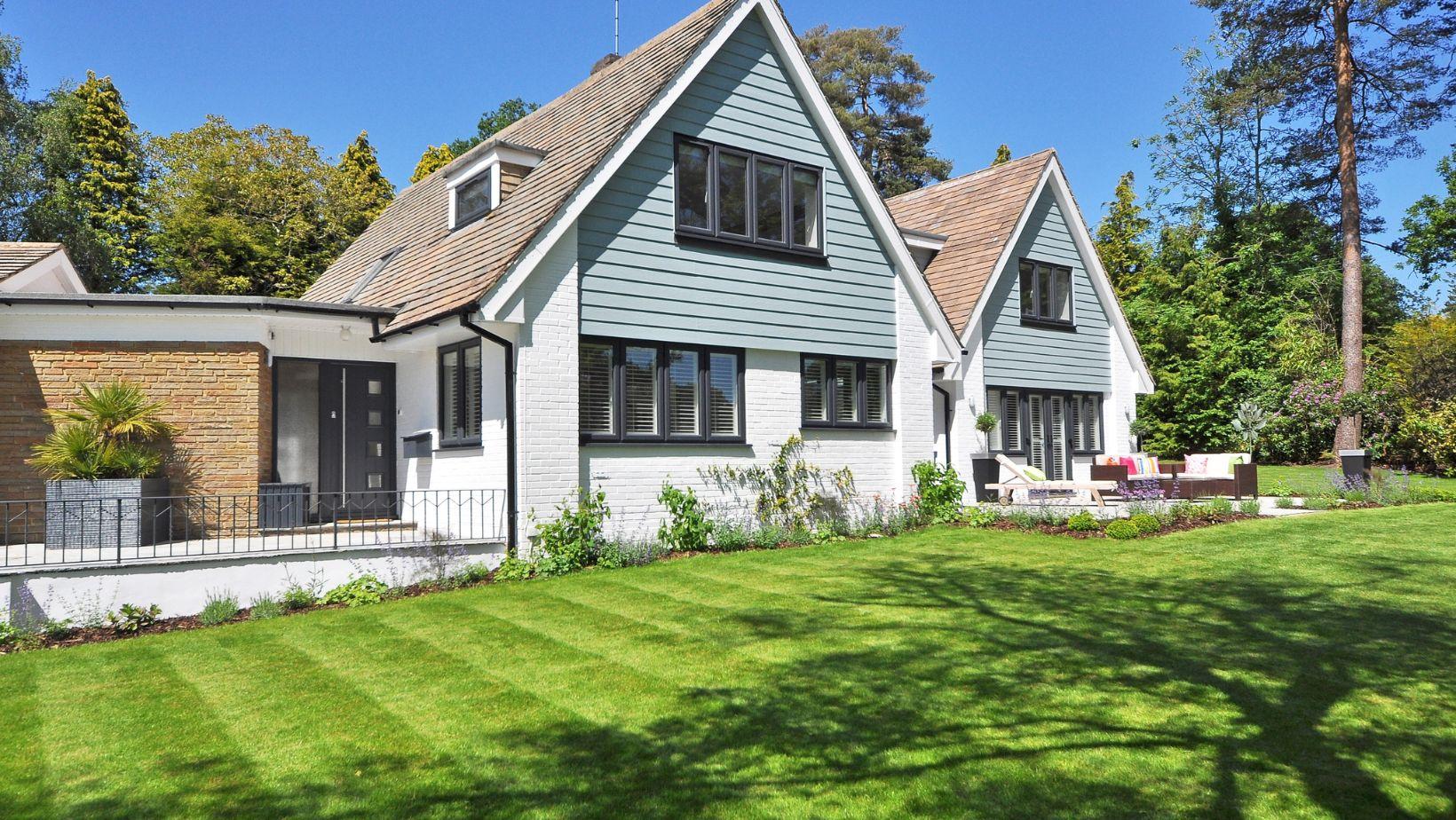
There was a time when homeowners focused almost entirely on what happened indoors. Renovation budgets went toward oversized kitchens, formal dining rooms, elaborate entryways, and open-concept living spaces designed mainly to impress guests for a few hours at a time.
That mindset has changed quietly over the last several years.
Today, many of the most desirable homes are not necessarily the ones with the largest interiors. They are the homes that feel balanced, comfortable, and genuinely livable. Increasingly, that feeling comes from how the outdoor space functions on an everyday basis. An experienced Columbus deck builder will often notice that homeowners are no longer asking only for “a deck.” They are asking for spaces that feel connected to how they actually live.
The shift is subtle, but important. Outdoor spaces are no longer treated like seasonal extras. They are becoming part of the emotional center of the home itself.
People Are Spending Differently Because They Live Differently
One reason outdoor living has become so important is that homeowners now think about comfort in a much more practical way than they did a decade ago.
Large formal interiors once represented success because they were visible status symbols. But modern homeowners increasingly value spaces they can genuinely use every day. That changes how renovation decisions are made.
A backyard that supports morning coffee, quiet evenings, outdoor dinners, remote work, or weekend gatherings often contributes more to daily quality of life than a room that stays untouched most of the year.
This is why decks have evolved beyond simple platforms attached to the back of the house. In many homes, they now function as extensions of kitchens, lounges, dining rooms, and even personal retreat spaces.
The interesting part is that homeowners rarely describe the goal in technical construction terms anymore. They talk about how they want the space to feel. They want it to feel calmer, more open, more social, or easier to enjoy after long workdays.
That emotional shift is changing outdoor design entirely.
The Most Memorable Homes Usually Create Better Transitions
One detail people subconsciously notice in well-designed homes is how naturally spaces connect.
Some houses feel fragmented. Others flow effortlessly between indoors and outdoors in a way that feels intentional without being obvious.
The homes that leave the strongest impression are often the ones where outdoor living does not feel separated from the interior experience.
That connection can happen through architecture, material choices, lighting, layout, or even traffic flow. Wide access points between indoor and outdoor areas move feel easier. Consistent design tones create visual continuity. Comfortable seating arrangements encourage people to stay outside longer without thinking about it.
Even small design decisions can influence whether a deck becomes part of everyday life or simply another unused feature.
Interestingly, homeowners often underestimate how much exterior materials contribute to this feeling. Siding, trim, railing styles, and decking tones all influence whether the property feels cohesive as a whole.
Modern siding products such as LP SmartSide and James Hardie siding have become increasingly popular partly because they help homeowners achieve cleaner, more consistent exterior aesthetics without making the house feel overly trendy or temporary.
Outdoor Spaces Are Becoming More Personal
For years, many remodeling projects were centered around resale value first and personal enjoyment second.
Now, homeowners are prioritizing personalization in a much more direct way.
Outdoor spaces have become one of the few parts of the home where people feel comfortable designing entirely around lifestyle rather than convention. Some prioritize privacy and quiet. Others care more about entertaining. Some want minimalist modern spaces, while others prefer warmer, more natural environments.
That flexibility makes outdoor remodeling feel more personal than many interior projects.
A homeowner may never fully customize a kitchen because of resale concerns. But a backyard space feels different. It can reflect routines, habits, and personality in ways that interior renovations often cannot.
This may explain why outdoor projects tend to create a stronger emotional attachment than people initially expect.
When a deck becomes the place where someone starts the morning, hosts family dinners, or unwinds after stressful days, it stops feeling like a renovation project and starts feeling like part of the homeowner’s identity.
Comfort Is Quietly Replacing Excess
Another major shift happening in residential design is the movement away from purely visual luxury.
People still care about appearance, but comfort is becoming the defining feature of modern high-end spaces.
That applies outdoors especially.
The most impressive backyard environments are rarely the ones overloaded with decorative features. Instead, they tend to feel calm, usable, and effortless. Shade matters more than oversized square footage. Layout matters more than complexity. Privacy matters more than visual excess.
This is why some modest outdoor spaces feel significantly more luxurious than larger but poorly planned ones.
Comfort-driven design also tends to age better. Trend-heavy outdoor spaces often lose appeal quickly because they were built around aesthetics alone. Spaces designed around functionality usually remain enjoyable much longer because they continue supporting real routines.
Homeowners are becoming more aware of this distinction before starting projects, which is changing the kinds of questions they ask contractors and designers.
The Exterior of a Home Shapes the Entire Experience
Many homeowners treat outdoor upgrades and exterior renovations as separate conversations, but they influence one another more than people realize.
A deck that feels visually disconnected from the home rarely creates the same emotional impact as one that feels integrated into the overall architecture.
This is where exterior siding choices play a surprisingly important role.
Clean exterior lines, balanced textures, and cohesive materials help outdoor living areas feel intentional rather than added on afterward. Vinyl siding, engineered wood products, and fiber cement siding all contribute differently to the overall personality of a home.
The goal is rarely perfection. It is consistent.
Homes that feel inviting usually achieve that feeling because every exterior element works together quietly in the background rather than competing for attention.
Why This Trend Is Likely to Continue
The growing emphasis on outdoor living is not just a temporary design trend.
It reflects a broader lifestyle change in how people want their homes to function.
Homeowners increasingly want spaces that support slower routines, more flexibility, and better everyday experiences. Outdoor environments naturally support those goals because they encourage people to gather, relax, disconnect from screens, and spend more time outside without leaving home entirely.
As that mindset continues evolving, decks and exterior spaces will likely become even more important in residential design conversations.
Not because they are flashy, but because they are useful in deeply personal ways.
That may be the biggest shift of all. The modern status symbol at home is no longer the room people walk through once during a visit. It is the space homeowners genuinely want to spend time in every single day.
Companies like US Quality of Columbus operate directly within that changing mindset, where outdoor living, thoughtful exterior design, and long-term functionality matter far more than temporary visual trends.