

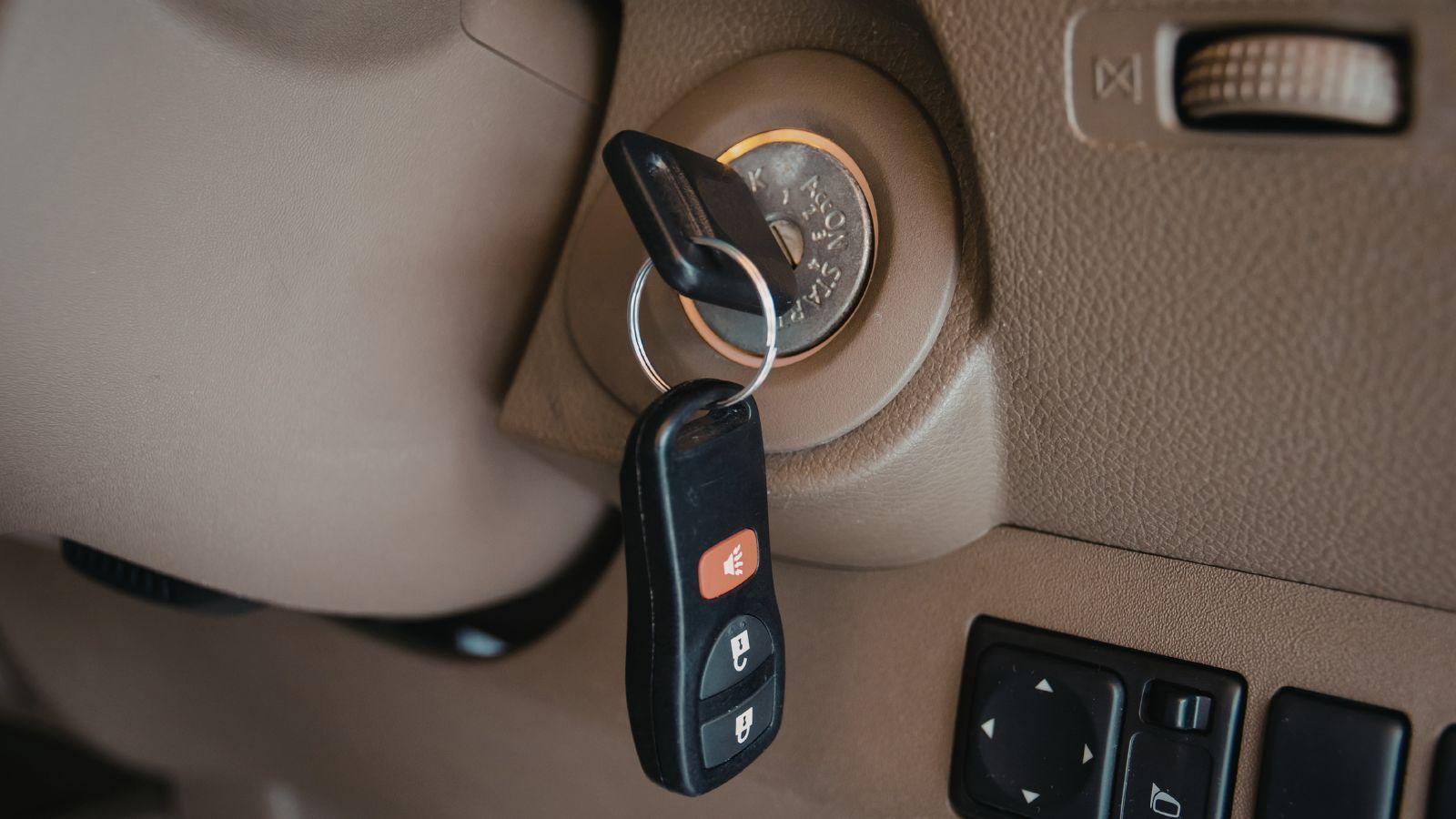
If you’ve ever sat in someone’s passenger seat and noticed a small device wired up to the dashboard — a little handset with a tube, a screen, and a few unassuming buttons — you’ve seen an ignition interlock device, or IID. Most people glance at it, register “breathalyzer,” and move on.
But IIDs are quietly one of the more sophisticated little pieces of tech in any vehicle. They use real fuel-cell electrochemistry, anti-spoofing logic, encrypted reporting, GPS tagging, camera verification, and rolling re-test protocols, all packed into something the size of a TV remote. For a category of device most drivers never see up close, the engineering is genuinely impressive.
This is exactly the kind of “boring” object that’s more interesting than it looks.
A Brief History: From Old-School Breathalyzers to Smart Devices
The first ignition interlock devices appeared in the mid-1980s, mostly as semiconductor-based gas sensors wired to a vehicle’s starter circuit. They worked, but they were notoriously inaccurate — temperature-sensitive, easy to fool with mouthwash or air fresheners, and prone to false readings from things like fresh bread or hot drinks.
By the late 1990s, fuel cell sensors began replacing semiconductor sensors. Fuel cells react specifically to ethanol — the alcohol in beverages — rather than the broader category of “volatile compounds” picked up by older sensors. That single change transformed IIDs from rough estimators into tools precise enough to be trusted by courts and regulators across the United States.
Today’s modern IIDs go a few steps further again.
What’s Actually Happening When Someone Blows Into One
The core of a modern IID is a small electrochemical fuel cell. When a driver exhales into the mouthpiece, ethanol molecules pass over a platinum electrode and are oxidized. That oxidation produces a tiny electrical current, and the magnitude of the current is proportional to the alcohol concentration in the breath sample. The processor compares that reading to the legal threshold (typically 0.020 or 0.025 BAC, depending on jurisdiction) and decides whether to allow ignition.
That’s the basic chemistry. But the actual driving experience involves a lot more clever engineering on top:
- Hum-and-blow patterns. Modern devices require the driver to blow with a specific pressure and hum at the same time. Recorded breath, balloon air, or compressed canisters won’t satisfy both conditions simultaneously.
- Rolling re-tests. A few minutes after the engine starts, and at random intervals afterward, the device asks for another sample. This prevents the obvious workaround of having a sober friend blow at startup.
- Camera verification. Many newer units include a small forward-facing camera that photographs the person providing each sample, ensuring it’s actually the driver behind the wheel.
- Tamper detection. The device monitors its own wiring, power supply, and seal integrity. Disconnecting it, bypassing the starter relay, or forcing a manual start triggers a logged event.
- Encrypted data logging. Every breath test, every start attempt, every tamper event is timestamped and stored — often with GPS coordinates and a photo — and transmitted to monitoring authorities during routine calibration visits.
- Temperature compensation. Fuel cells are sensitive to ambient temperature. Internal heaters and software compensation curves keep readings accurate from a Phoenix summer to a Flagstaff winter.
It’s a remarkable amount of computing for a device that looks like it belongs to the early 2000s.
Why They Exist (and Why the Category Keeps Growing)
IIDs are most associated with court orders following a DUI conviction, but their use is broader than that. Many states require them for first-time offenders, not just repeat ones. Some commercial fleets install them voluntarily as a safety measure. A handful of car manufacturers are even experimenting with passive alcohol detection systems built directly into the cabin — essentially making a soft version of IID technology standard equipment in some future vehicles.
The reason for that expansion is simple: the data on IIDs is unusually strong. Studies have repeatedly shown that interlocks reduce repeat DUI offenses significantly while installed, and remain meaningfully effective for some time after removal.
Behind every installed device is also a service network — the small, often local companies that handle installation, calibration, monitoring, and removal. Companies like Budget IID, for example, install and service ignition interlock devices, and handle the routine calibration appointments and reporting that keep the program working as intended. It’s the kind of low-profile, in-person infrastructure that the technology can’t function without — half engineering, half logistics.
Hidden Details Most Drivers Don’t Notice
Some of the more interesting design choices in a modern IID:
- Mouthpiece geometry. The shape of the mouthpiece is engineered to ensure the sample comes from deep lung air (alveolar breath), which correlates more reliably with blood alcohol than mouth or upper airway air.
- Calibration intervals. Most devices need calibration every 30 to 60 days. The device itself locks the vehicle out if the appointment is missed — a soft enforcement mechanism baked directly into the firmware.
- No “guess and try” mode. Failing a test typically triggers a lockout period. Modern devices use exponential backoff, so repeated quick attempts make the wait longer, not shorter.
- Discreet installation. Although the handset is visible, the controller box is usually tucked behind the dashboard. The wiring is designed to integrate with each vehicle’s specific starter circuit without permanent damage, so the device can be removed cleanly when the program ends.
The Takeaway
An ignition interlock device fits perfectly into the magazine’s running thesis: the things that look least interesting are often hiding the most thoughtful engineering. A “boring” little box with a mouthpiece turns out to be a fuel cell, a camera, a GPS receiver, an encrypted logger, and a tamper-detection system, all wired into the most safety-critical circuit in a car — and serviced by a quiet network of local installers who keep the whole program functional.
It’s a small piece of technology with an outsized public-safety footprint, hidden in plain sight on someone else’s dashboard.
FAQs
What is an ignition interlock device (IID)?
An ignition interlock device is a breath alcohol testing system connected to a vehicle’s ignition. Drivers must provide a breath sample before the car can start, helping prevent impaired driving.
How does an ignition interlock device detect alcohol?
Modern IIDs use fuel-cell sensor technology that reacts specifically to ethanol in a person’s breath. The device measures the alcohol concentration and determines whether it is below the legal threshold required to start the vehicle.
What are rolling re-tests in ignition interlock systems?
Rolling re-tests are additional breath tests requested while the vehicle is already running. These random checks help ensure the same driver remains alcohol-free throughout the trip.
Can ignition interlock devices be tampered with?
Modern devices are designed with tamper-detection features that monitor wiring, power supply interruptions, failed tests, and unauthorized bypass attempts. Many systems also include cameras and encrypted data logging.
Why do ignition interlock devices require regular calibration?
Calibration ensures the device continues providing accurate alcohol readings over time. Most IIDs require servicing every 30 to 60 days to maintain compliance and proper functionality.