

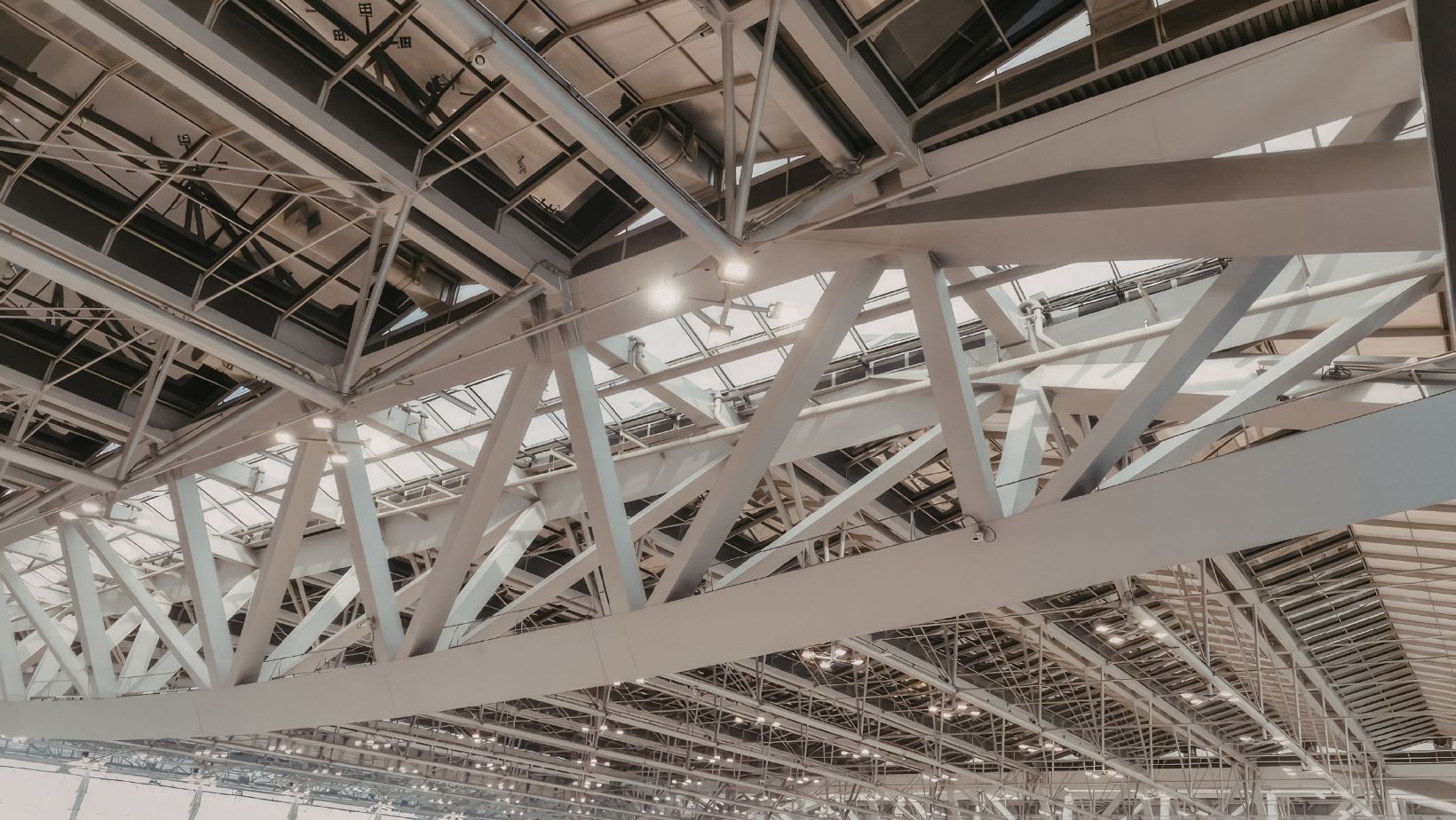
Accurate measurements are the starting point of every industrial project. They define the structure’s size, strength, and functionality. These figures determine how materials fit, how equipment moves, and how the space performs under regular use. No stage of the process works without reliable data.
The most practical industrial steel buildings are planned with exact values from the beginning. Clear planning based on real data helps avoid misalignment, saves time, and supports long-term use without frequent change. Here are five essential measurements to review before moving forward with the build.
Site Area and Ground Conditions
The size of the lot defines the scope and scale of what is possible. Dimensions guide the building’s footprint, fire setbacks, and access points. Space must be allocated for entry routes, loading areas, and necessary clearances. A full topographic survey helps detect slopes or elevation changes early.
Soil composition and drainage play a major role in structural support. Clay, sand, and rock affect foundation design in different ways. Testing for compaction, moisture, and water flow determines how deep or reinforced the foundation must be. A well-prepared ground base adds long-term stability to the structure.
Building Height and Ceiling Clearance
The planned height must support every function inside the structure. Overhead systems such as ducts, cranes, and lighting affect usable space. Ceiling clearance should include space for equipment movement and vertical storage, not just floor-to-roof distance.
Industrial steel buildings sometimes include multiple interior zones requiring varying clearance levels. Mezzanines, racking systems, and tall machinery may need specific vertical space. Planning for these elements early prevents spacing issues that could interrupt flow or reduce usable space.
Column Spacing and Structural Grid
The internal frame must support equipment without causing layout conflicts. Columns placed too close together can limit space use and movement. Wider spacing allows flexibility but may require stronger framing components. Balance is necessary to maintain support and usability.
Key structural grid points include:
- Load distribution between horizontal and vertical members
- Proper spacing for efficient layout
- Beam sizing aligned with span length
- Design matching operational traffic flow
Load-Bearing Capacity and Support
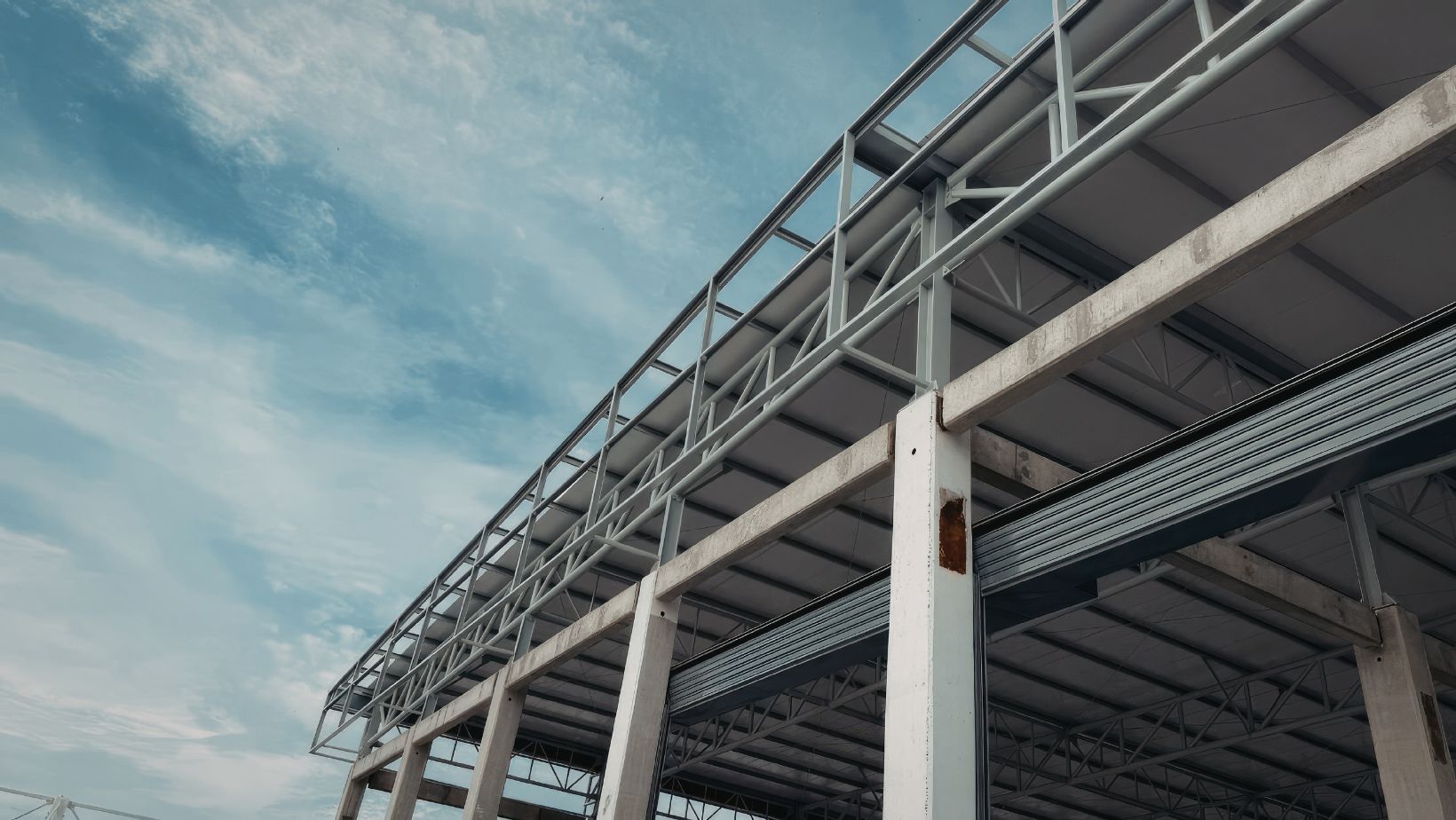
Every structure supports its own weight and additional pressure from external and internal factors. The weight of steel, roof systems, and finishes counts as dead load. Vehicles, machinery, and snow or wind pressure count as live load. Each factor adds to the structural demand.
A full assessment of all potential loads helps select the right framing elements and fasteners. Wind speed, snow thickness, and seismic shifts vary by location and must be built into design tolerances. Oversights in load data reduce longevity and can affect structural function.
Access Points and Expansion Options
Access design affects how easily workers, tools, and deliveries move through the space. Door size, location, and frequency influence loading efficiency. Planning must accommodate daily activity, safety routes, and heavy equipment placement without interference.
Industrial steel buildings support modular growth if expansion is built into the plan. Wall panels, roof joints, and end bays can be structured to accept future builds. Pre-installed anchor points, knock-out panels, and extended slab pads support smooth transitions for future updates.
Where to Find the Right Support for Your Steel Build
Clear planning starts with accurate information and experienced input. A team that focuses on industrial steel builds can help assess site conditions, structural loads, and layout needs without overlooking key details. Their role is to guide each step with clarity, not general advice.
Choosing the right professionals means gaining support grounded in real project demands. They offer direct input on framing, expansion, and interior spacing with accuracy and purpose. If you want a build that performs as expected, working with specialists who understand these structures is a practical move worth exploring.