

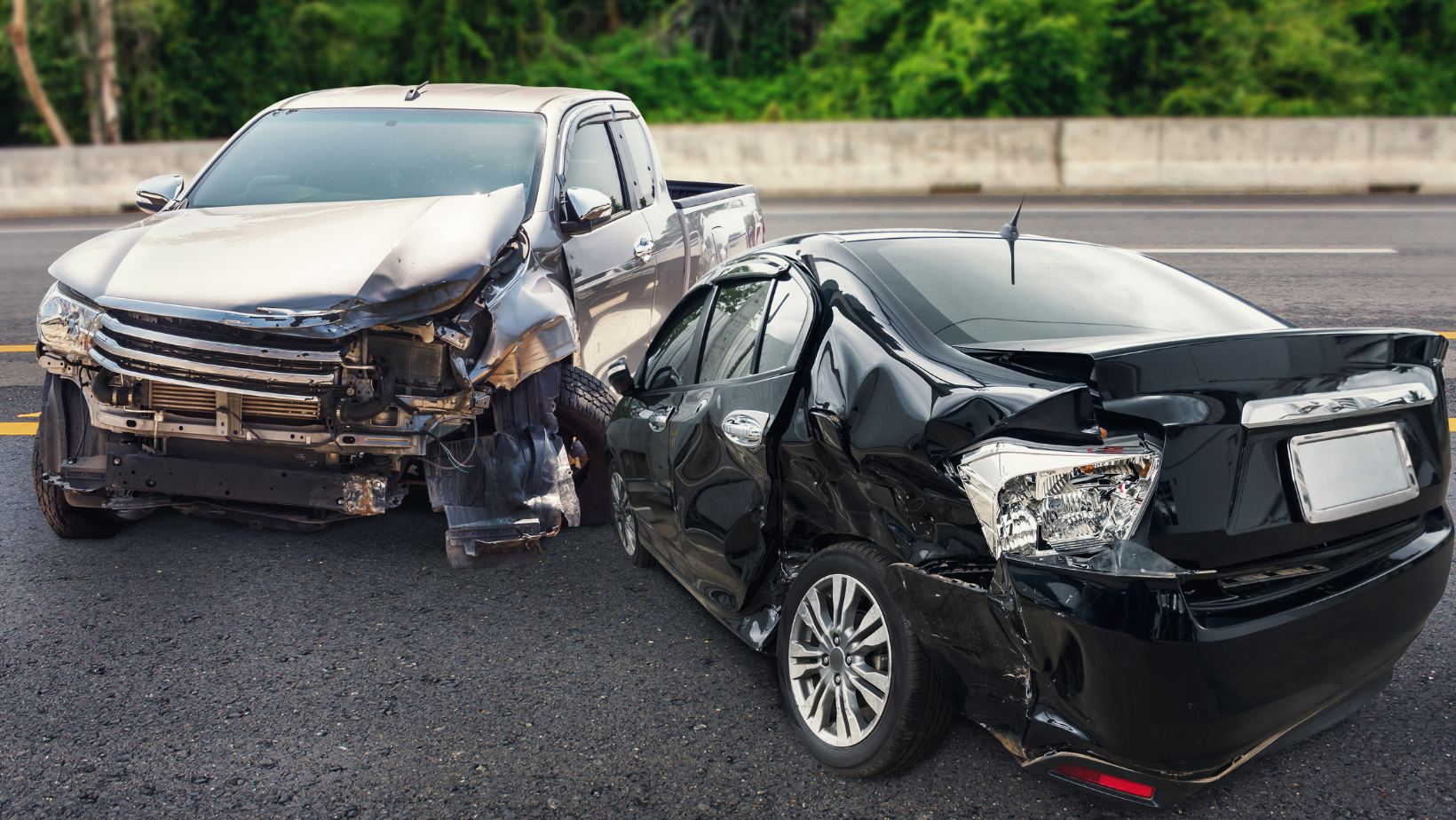
You know that feeling. The one where you’re cruising down I-15, maybe heading past the Point of the Mountain, and the traffic suddenly bunches up? It’s that accordion effect. One minute you’re doing seventy-five, the next you’re slamming on the brakes, hoping the person behind you is paying attention. In Utah, we drive in a weird mix of stunning scenery and chaotic congestion. You’ve got the mountains on one side, the valley on the other, and a whole lot of drivers who seem to forget how to merge the second a few snowflakes hit the asphalt.
It happens fast.
Metal crunches. Glass shatters. The world spins a little.
When the dust settles, you aren’t thinking about statutes or negligence thresholds. You’re checking your limbs. You’re looking at the other car. You’re wondering if you can still make it to work or if your Saturday plans are ruined. But once the adrenaline fades, the reality of Utah’s road laws starts to set in, and trust me, it’s a lot more complicated than just exchanging insurance cards.
The Immediate Fog
The first few minutes are a blur. Sirens, maybe. A Utah Highway Patrol officer is asking questions you can barely answer. You might feel fine. That’s the adrenaline talking. It’s a powerful masker of pain. You might think, “I’ll just shake it off.” But whiplash doesn’t care about your toughness. It shows up two days later when you can’t turn your head to check your blind spot.
Utah is a no-fault state. That’s the first thing that trips people up. It sounds simple, right? “No fault” means it doesn’t matter who hit whom. Not exactly. It just means your own insurance kicks in first for the medical stuff. They call it Personal Injury Protection, or PIP.
It covers the first $3,000 of your medical bills. Three grand.
In today’s healthcare economy? That’s an ambulance ride and maybe a heavy dose of ibuprofen at the ER. It burns up fast. Once that PIP is exhausted, you’re left looking at the mounting pile of bills and wondering who’s going to pay the rest. If you were hit by someone else—maybe they were texting, maybe they were speeding through a red light downtown—you have to step outside that no-fault bubble to get what you’re actually owed.
When the System Gets Complicated
This is where the landscape shifts. You’re not just dealing with your own adjuster anymore; you’re dealing with theirs. And their job isn’t to be your friend. It’s to save their company money. They might sound nice on the phone, asking how you’re feeling, but they are listening for anything they can use to downplay your injuries. “Oh, you’re feeling better?” Write that down. “You have a history of back pain?” Write that down too.
They know the rules better than you do. They know about the “serious injury threshold” here in the Beehive State. To step outside of the no-fault system and sue for things like pain and suffering, your injuries have to meet certain criteria. Permanent disability. Dismemberment. Or medical expenses that go over that $3,000 limit.
Most significant crashes blow past that limit in a heartbeat.
But proving it? Proving that the other driver was negligent and that your life has been turned upside down? That’s a different beast. It requires evidence. Police reports. Witness statements. A clear timeline that connects the crash to your back pain, your headaches, and the anxiety you feel every time you get behind the wheel now.
If you’re swimming in paperwork and the insurance offers are starting to look insulting, you might need someone who speaks the language of liability. A local expert who knows the difference between a minor fender bender settlement and a life-altering injury claim. You might need to bring in a car accident lawyer Utah based professional, to level the playing field. They can look at the evidence, tell you if the offer on the table is garbage, and handle the heavy lifting while you focus on actually healing.
The 50 Percent Rule
Here’s another curveball Utah throws at you: Comparative Negligence.
Let’s say you were speeding a little. Just five over. Or maybe you didn’t signal early enough. The other guy ran a red light, sure, but the insurance company will try to pin some of the blame on you. Why? Because if they can argue you were partially at fault, they can reduce what they pay you.
Utah follows a 50% rule. If you are found to be 50% or more responsible for the accident, you get nothing. Zero. If you’re 49% responsible, your payout is reduced by that 49%.
Imagine losing half your settlement because an adjuster convinced you that you should have swerved sooner. It’s a game of percentages, and without someone fighting for your zero percent, you might end up paying for someone else’s mistake.
The Weather Factor
We can’t talk about driving here without talking about the weather. “The Greatest Snow on Earth” is great for skiing at Alta or Snowbird. It’s a nightmare on I-80 through Parleys Canyon.
Black ice is a traitor. You don’t see it. You just feel the steering wheel go light, and suddenly you’re a passenger in your own car.
When the weather is involved, liability gets murky. Everyone likes to blame Mother Nature. “It was the snow! I couldn’t stop!” But the law says you have to drive for the conditions. If it’s snowing, the speed limit isn’t 70 anymore; it’s whatever is safe. If someone slides into you, they might still be at fault because they were driving too fast for the slushy roads.
Don’t let them blame the blizzard. If they were following too closely on an icy road, that’s on them.
The Long Tail of Recovery
The physical healing is one thing. Bones knit. Bruises fade. But the disruption to your life? That lingers.
You lose your car. Maybe it’s in the shop for weeks, or maybe it’s totaled. You’re navigating rental car agencies, fighting for a vehicle that actually fits your family. You’re missing work. The stress piles up.
In this modern age, we have distractions everywhere. Our cars are safer than ever, filled with sensors and airbags, but they are also filled with screens. We are constantly bombarded with information. Sometimes, to stay safe and sane, you need to step back. You need to look at the broader picture of how we live and interact with our machines. Whether it’s understanding the latest safety features or just finding ways to disconnect and de-stress, staying informed matters. You can find fascinating tech insights and lifestyle commentary that remind us to look up from our phones and pay attention to the world around us.
Because that’s what it often comes down to. Attention.
A split second of inattention on State Street can lead to years of chronic pain. A moment of frustration in the Spaghetti Bowl interchange can total a brand-new truck.
The Clock is Ticking
There’s one last thing to keep in the back of your mind: the clock.
In Utah, you generally have four years to file a lawsuit for a car accident. That sounds like a lifetime. Four years? You’ll have it sorted by then, right?
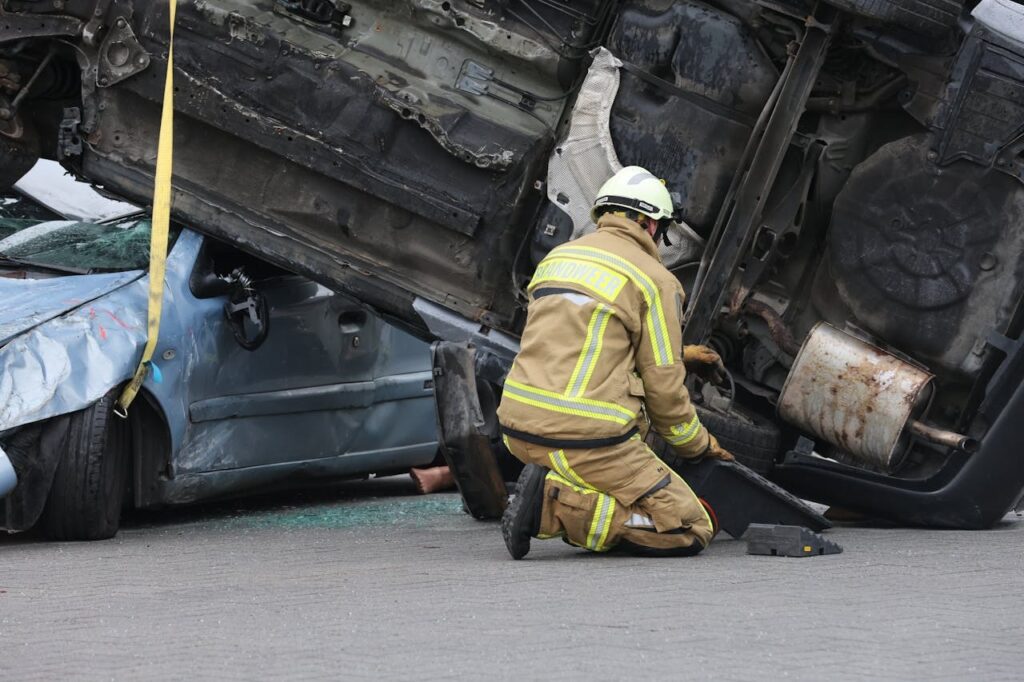
But time disappears. You spend six months in physical therapy. You spend another six months negotiating with the insurance adjuster who stops returning your calls. Suddenly, a year has gone by. Evidence gets lost. Witnesses move away. Memories fade.
And if the government was involved—say, a snowplow hit you, or a city bus—that four-year window shrinks dramatically. Sometimes you have as little as a year to file a notice of claim. If you miss that deadline, your case is dead in the water. No exceptions.
Staying Prepared
So, what do you do? You drive defensively. You buy a dashcam (seriously, get a dashcam). You make sure your own insurance coverage is solid—specifically, your Uninsured/Underinsured Motorist coverage. There are a lot of drivers out there with the bare minimum state requirements. If one of them hits you and puts you in the hospital, their $25,000 policy limit won’t even cover the helicopter ride, let alone the surgery.
If the worst happens, breathe.
Take photos. Get names. Don’t apologize (it can be used as an admission of fault). Go to the doctor, even if you think you’re fine. Document every ache, every missed shift at work, every dollar you spend on taxis or prescription co-pays.
It’s a grind. It’s messy. But you don’t have to let a crash on I-15 derail your entire life. You just have to know the rules of the road—both the ones painted on the asphalt and the ones written in the law books.