

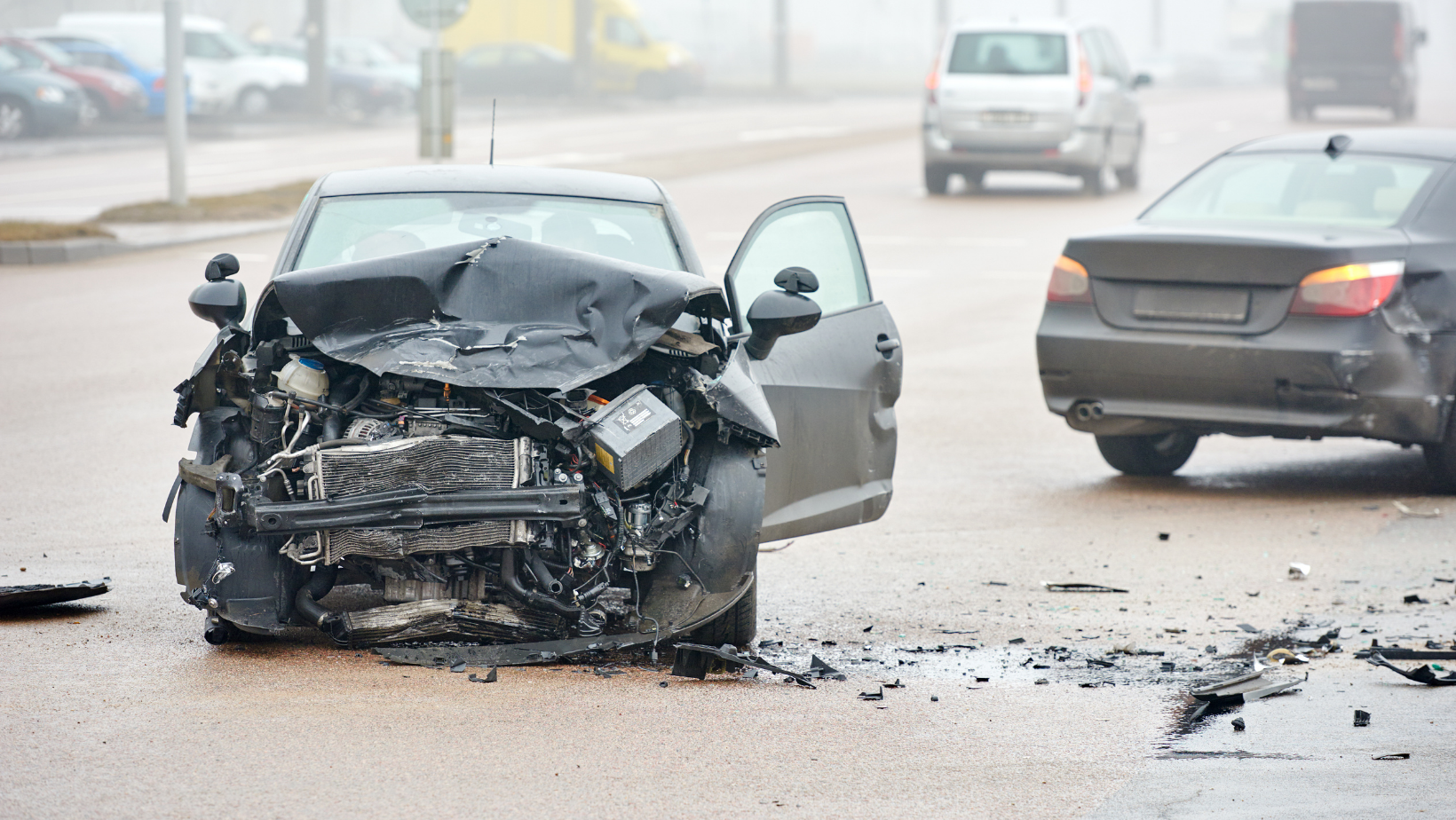
When a lot of vehicles get entangled in a crash, the truth can blur in minutes. More often, digital clues like camera footage and data logs can help cut through confusion and give you a clearer and more pronounced path to what actually just happened. They can easily turn scattered moments into evidence that supports real liability.
When Your Eyes Alone Isn’t Enough: The New Evidence Standard
In today’s world of complex multi-vehicle collisions, modern multi-vehicle crashes move too quickly for memory to stay reliable, and skid marks or scattered debris rarely tell the whole visual story. While you need to take some immediate steps, you may still have to dig deeper for more evidence that can bring clarity into the confusion of your incident. More often, digital clues give you that clear picture because they capture real actions in real time.
Some helpful techs, like dashcams, street cameras, GPS records, and onboard vehicle data, can each hold a different part of the truth about your incident. So when the time comes for you to bring these pieces together, you get a timeline that shows what actually happened and why accountability becomes easier to prove, from pre- to post-impact.
Compelling Digital Roadmap: Key Types of Evidence That Matter Today
Understanding modern crash investigations means knowing the digital tools at work. Each type of evidence directly increases the accuracy and reliability of your findings.
Dashcams
A dashcam gives you a real-time record with clear video, timestamps, and GPS data that can confirm or challenge every claim about how your crash truly happened.
Event Data Recorders (EDRs)
Modern cars often carry what’s known as an Event Data Recorder or “black box.” This can bring you precise pre-crash and crash moment details, from speed to braking and steering inputs, which makes it one of the most reliable sources for understanding exactly how your collision unfolded.
Smartphone Metadata and Geodata
Your phone’s data, from its location history to every activity’s timestamps, can show you and the investigating authorities your exact movements before impact. This can provide investigators with a second, independent timeline that connects digital records from parties involved to real events.
Surveillance and Traffic Cameras
Many intersections and highways are now covered by public cams with recordings. They can provide you with an outside, unbiased view of the crash scene and often show things that aren’t visible from inside your vehicle.
Each of these digital tools tells its own part of the story and creates a timeline that’s more precise and defensible in court, especially when combined with the police’s traditional evidence gathering.
Proving Fault Using Digital Evidence
In complex traffic crashes, understanding how to prove fault is often the most critical legal question, and digital evidence plays a key role by providing objective, measurable facts that clarify what actually happened.
Here, you may need a deeper legal perspective on fault determination, which is why you’ll need a more authoritative source to walk you through how personal injury attorneys use today’s tech to win over your legal hurdles.
How digital evidence shapes your prowess to determine fault
Establishing the Sequence of Events for You
Today, dashcam videos and EDR data detail the exact sequence and provide a more trustworthy source of info on what each vehicle did immediately before and after their crash. This matters because the order of impacts often determines who had the right of way and who violated traffic rules.
Corroborating Actions With Your Mishap’s Timing
A smartphone’s GPS or app metadata can prove where a driver was and what they were doing seconds before the crash. If someone claims they weren’t using their phone, but metadata shows active GPS movement or app usage at the time, that can contradict the claim.
Verifying and Cross-Validating Claims
When all digital evidence from multiple sources (from phones and CCTVs) agrees, you’re more likely to gain an upper legal hand. For example, dashcam footage showing a car running a red light, along with EDR speed data and a traffic camera recording that same event, creates a more dependable, multi-layered proof of fault.
Why All These Matters
You might wonder why these advanced techs matter in everyday crash investigations in today’s more innovative world. Its answer can be quite simple. Without these pieces of digital evidence, investigations can remain slow, uncertain, and dependent on ailing memory. However, with it, you’ll have:
- Higher accuracy in reconstructing events.
- Faster resolution of insurance claims and legal disputes.
- Lower risk of relying on incorrect or biased witness accounts.
- Greater confidence in determining liability that stands up in court.

It’s not really about how digital evidence replaces traditional investigation; rather, it strengthens it, giving professionals and authorities a precise, verifiable record of what really took place on that day at its specific accident spot.
Looking Ahead
When net-enabled vehicles and smarter cameras reshape and rule today’s roads, crash investigations will have greater clarity and trust with solid digital proofs—something providers like Schweizer Dashcam Shop help make more accessible. That’s why when you understand and grasp the efficacy of these tools, you strengthen your rights, support fair fault decisions, and play a real part in creating safer streets for you and your fellow road users.